- Products
- About Us
- Download
- News
- Blog
- Contact Us
 LEAO®Deco Ceiling
 LEAO® Perforated Ceiling
 LEAO® Ceiling Board
 LEAO® Groove Interior Panel
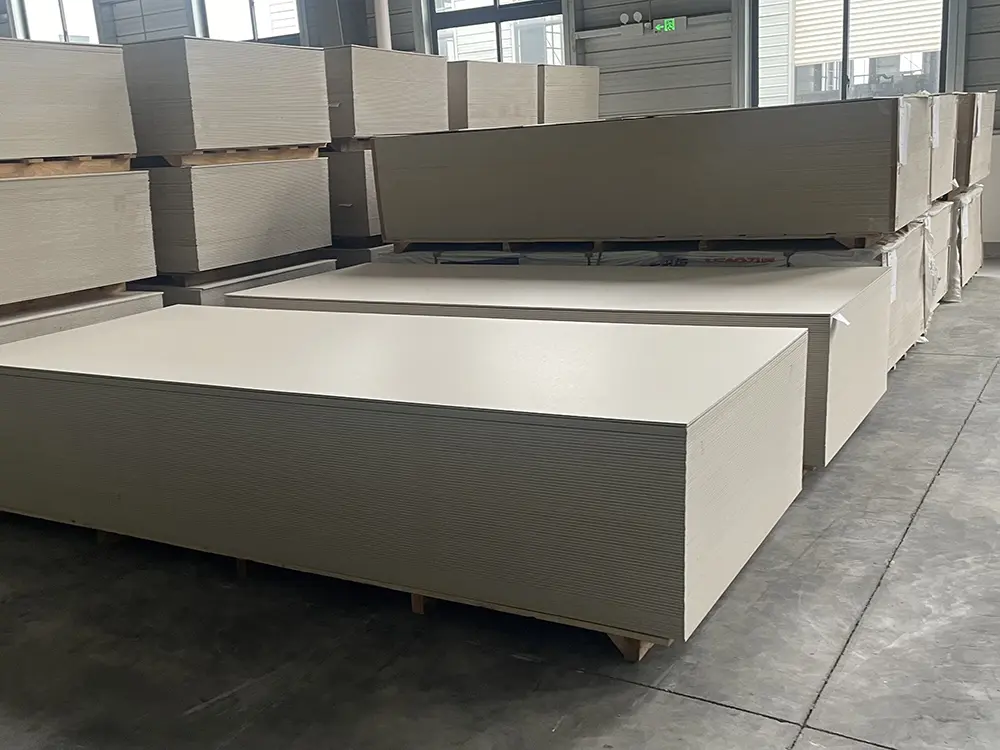 LEAO® Interior Board
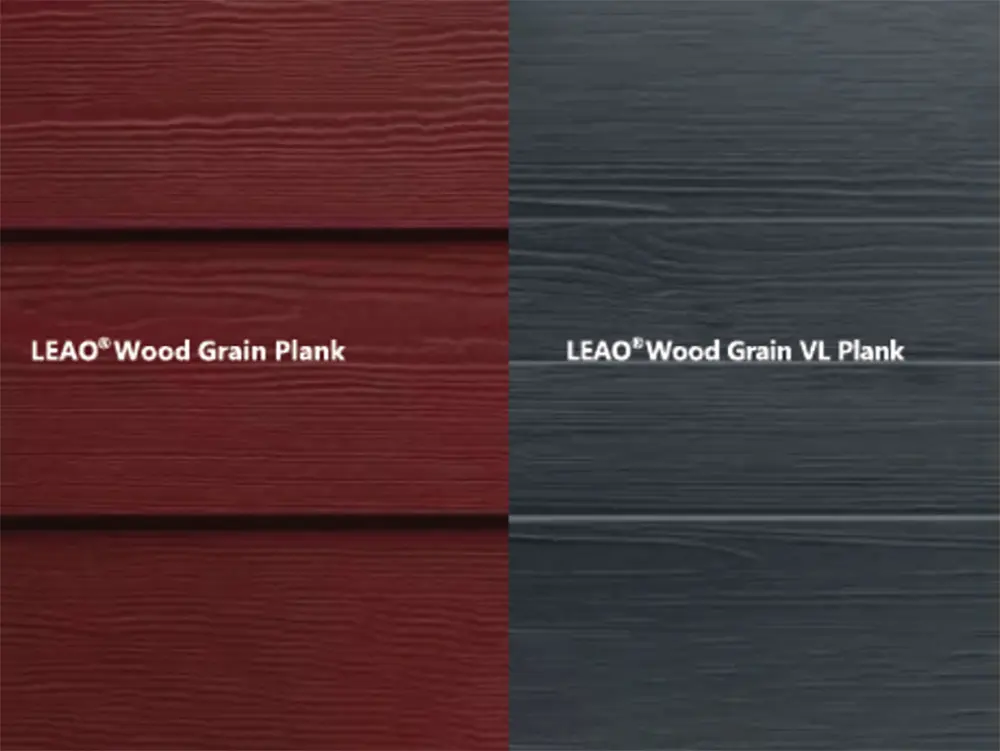 LEAO® Wood Grain Plank
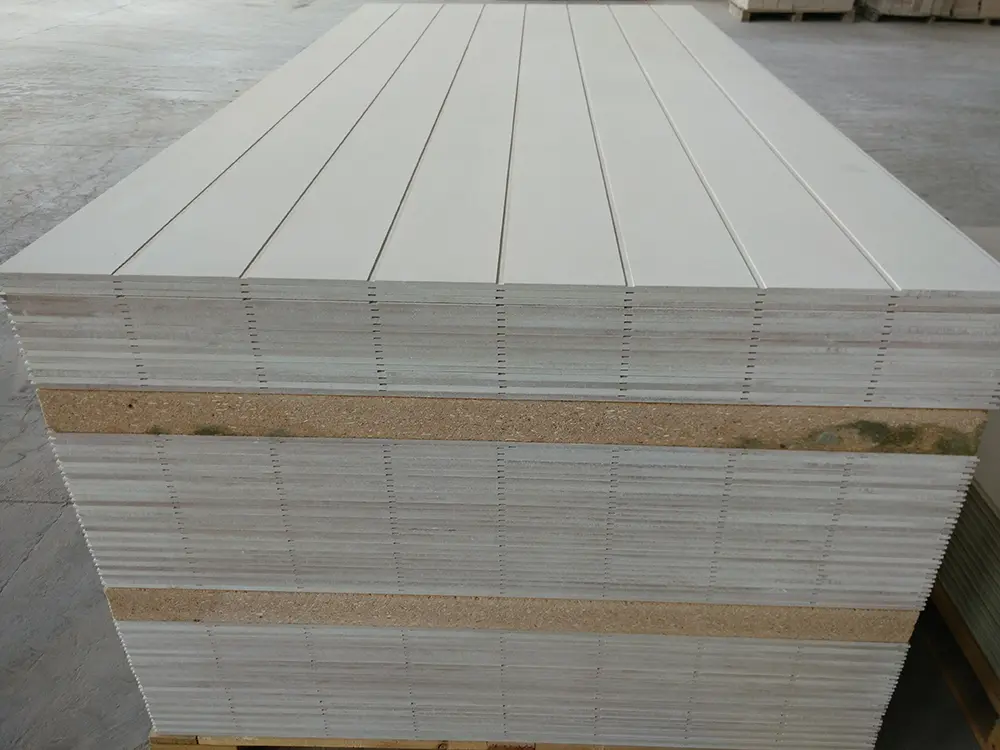 LEAO® Grooved Exterior Panel
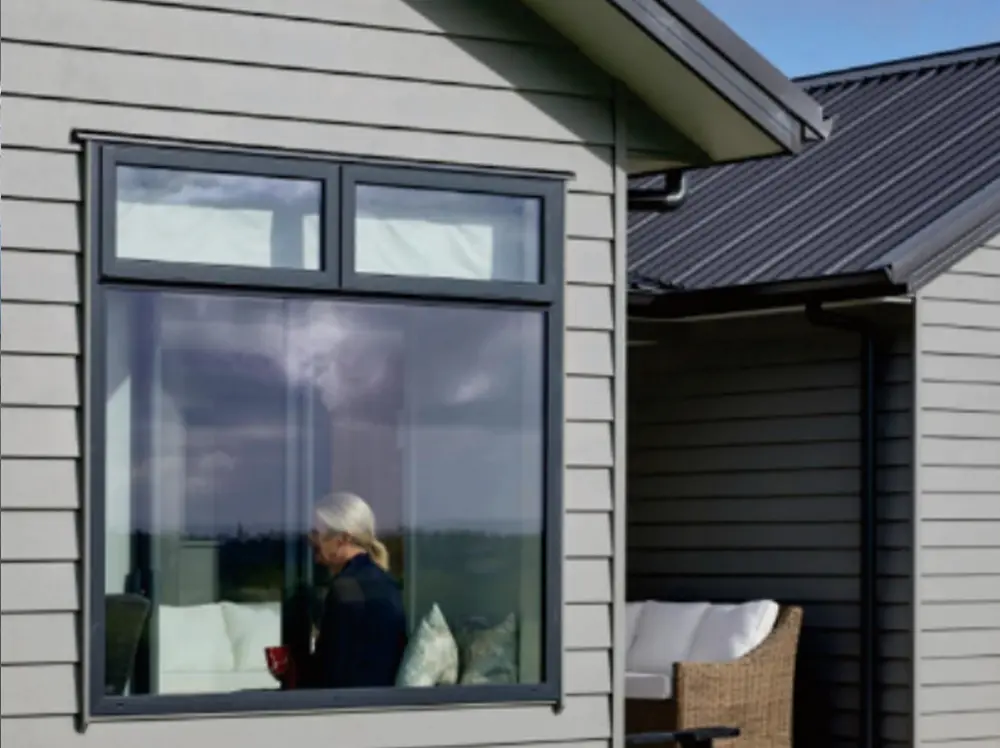 LEAO® Weatherboard
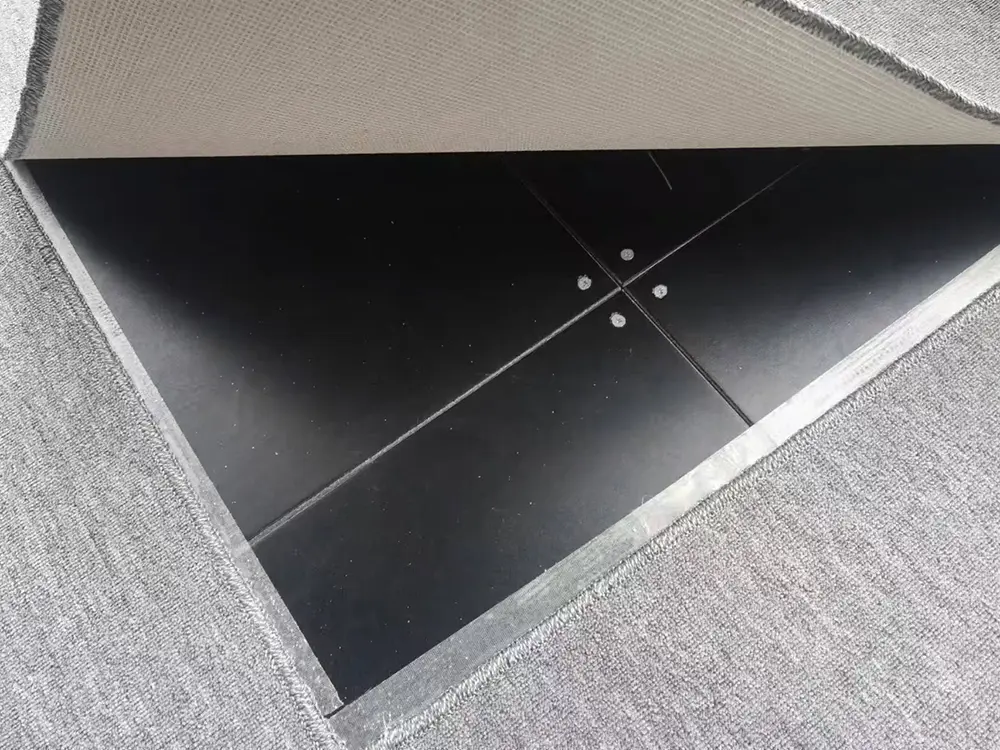 LEAO® Access Floors
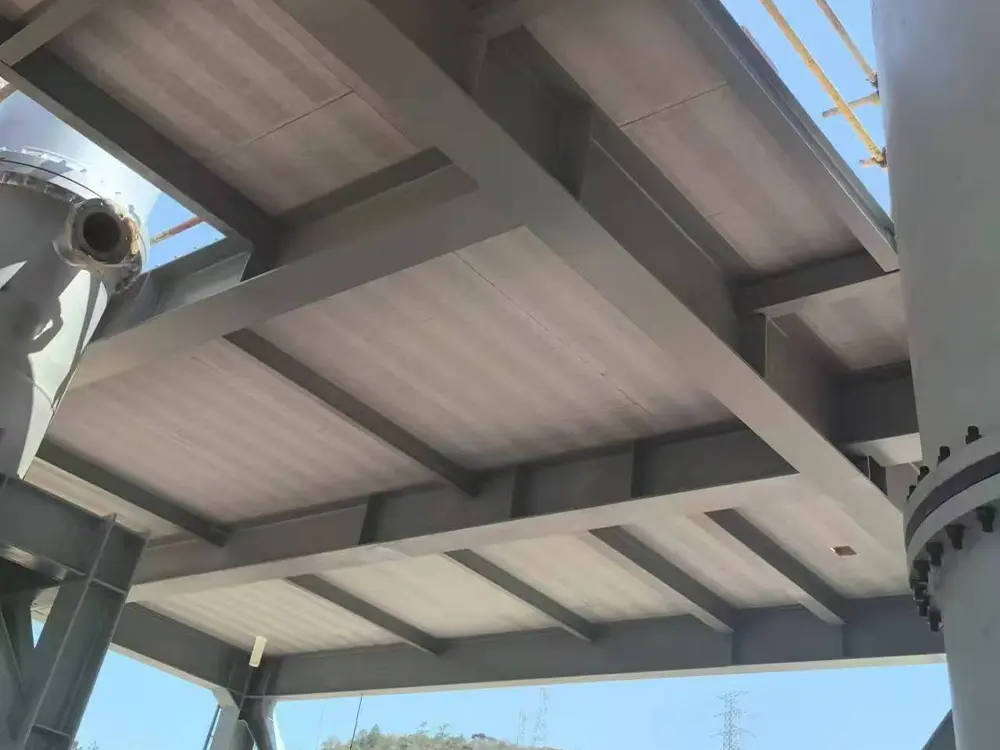 LEAO® Non-removable Formwork
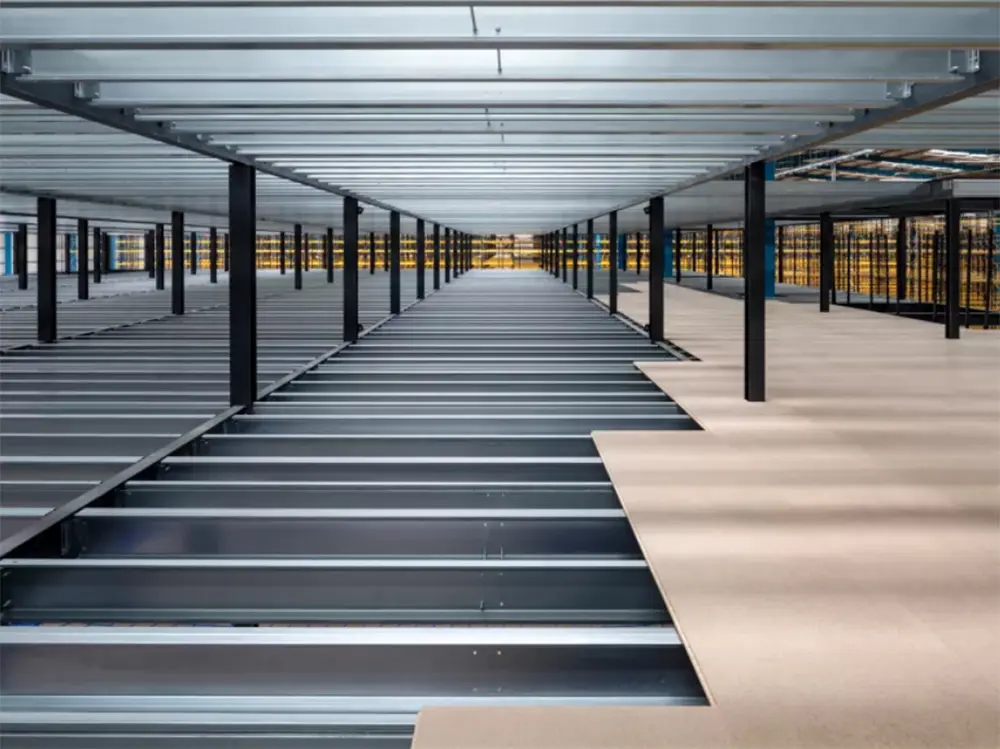 LEAO® Mezzanine Board
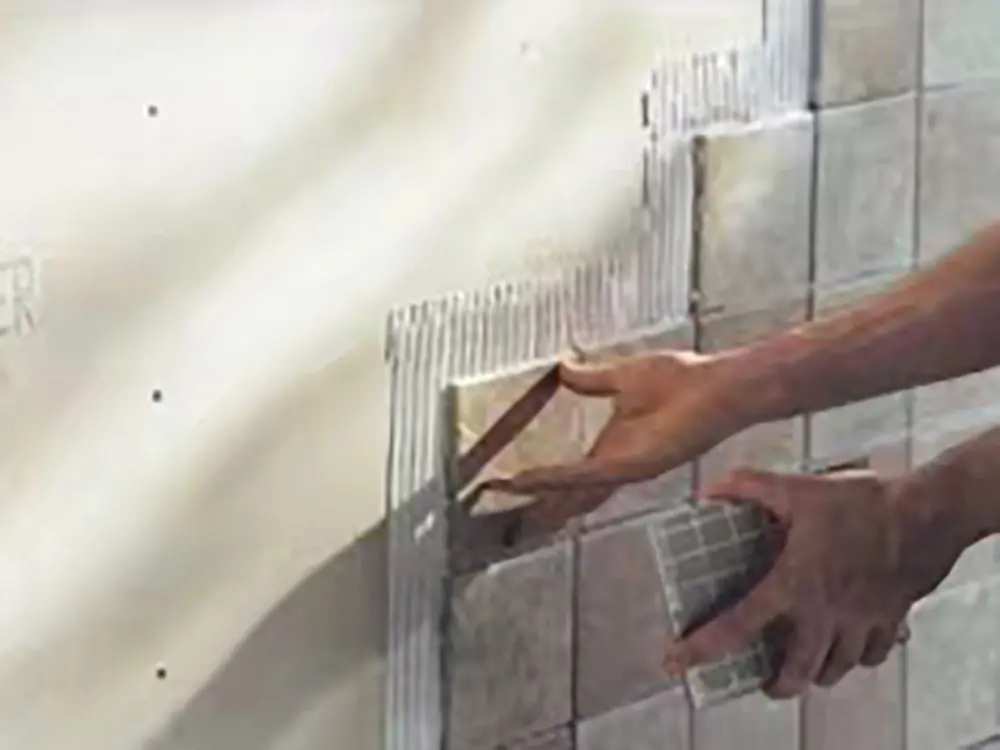 LEAO® Ceramic Tile Underlay
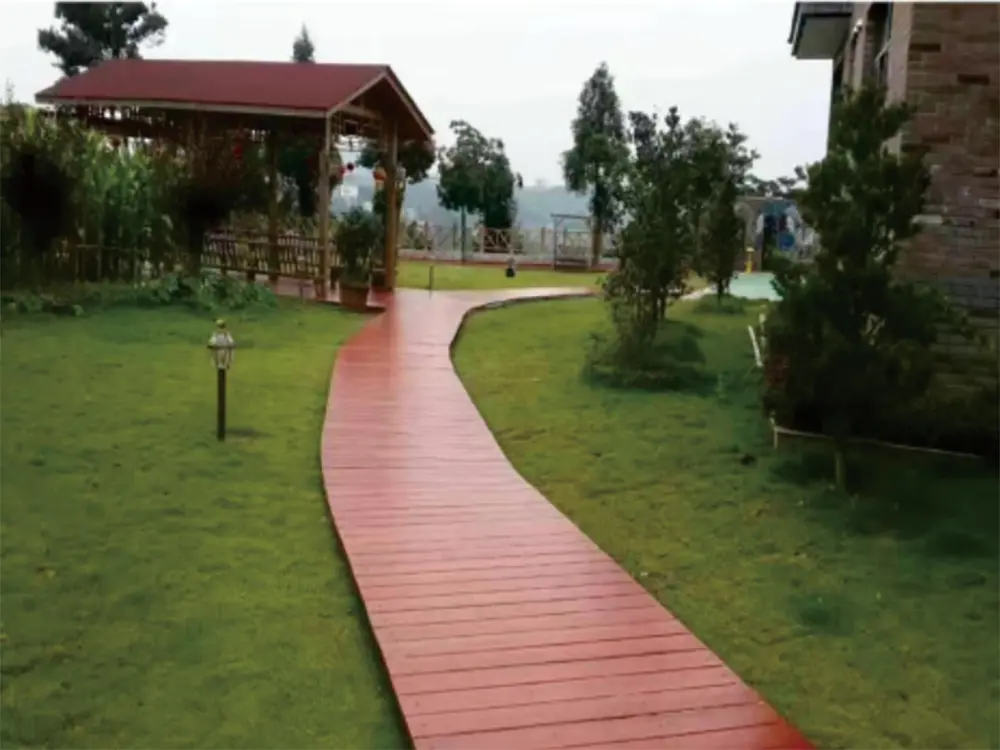 LEAO® Floor Plank
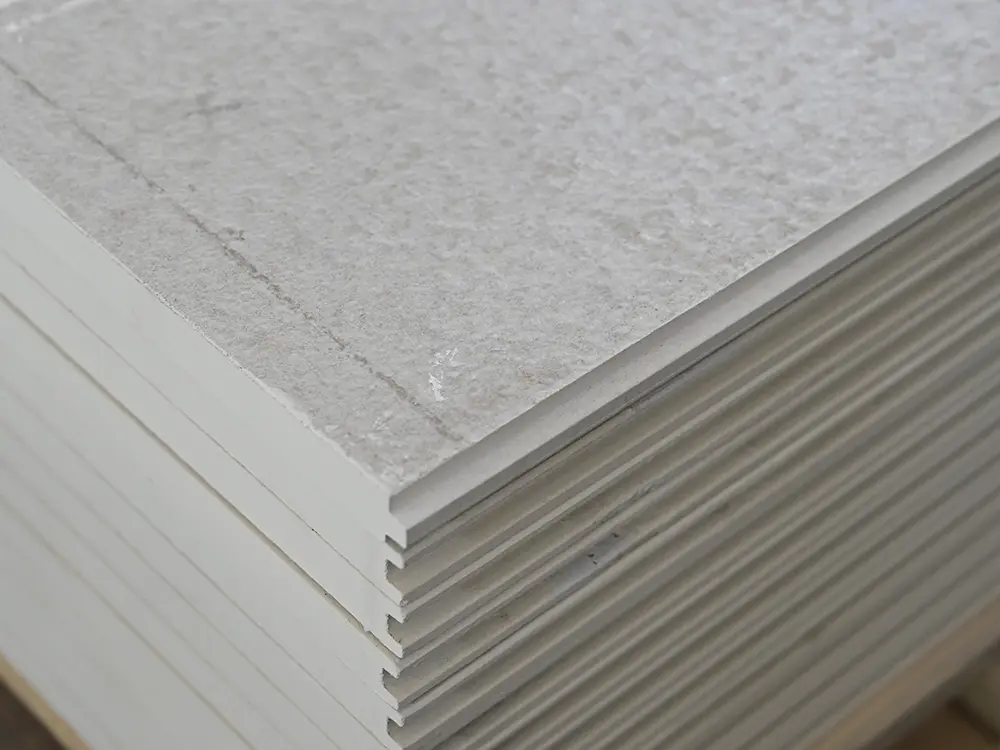 LEAO® Flooring
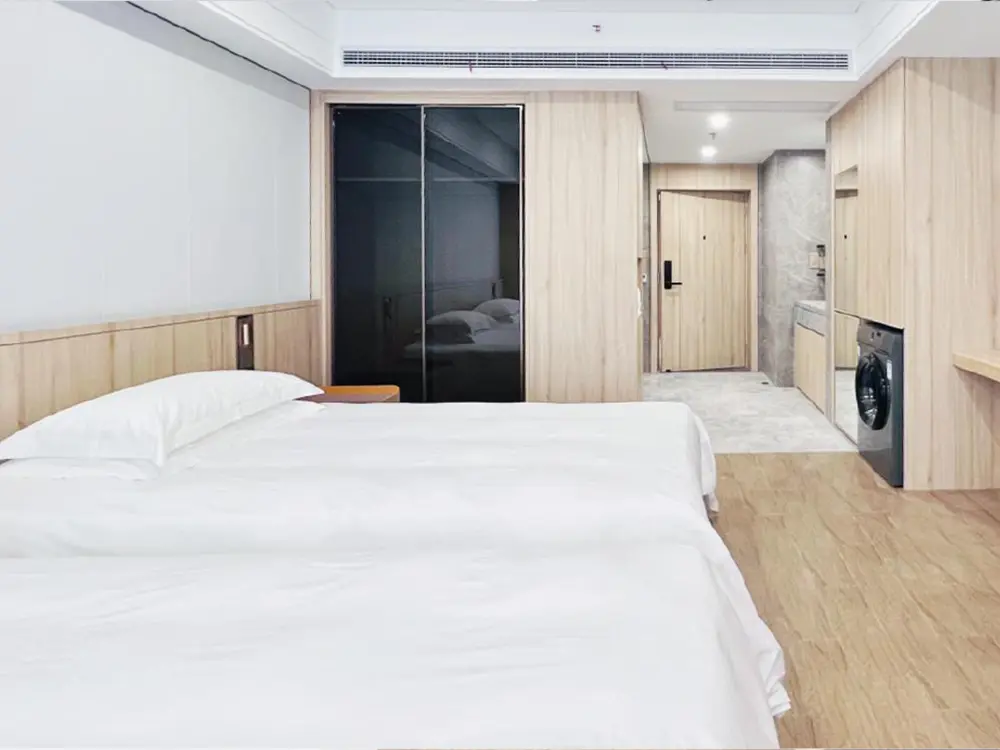 LEAO® Wood Style Decorative Panel
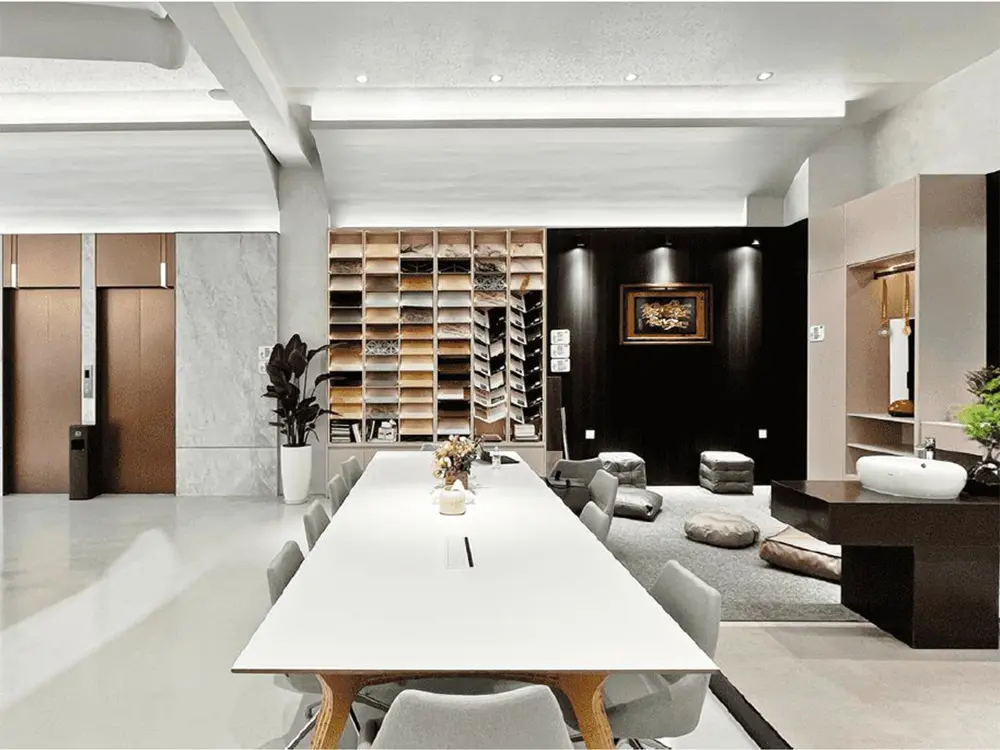 LEAO® Stone Style Decorative Panel
 LEAO® Pure Style Decorative Panel
Inquiry
Form loading...
Choosing China’s top Fiber Cement Partition Board suppliers requires more than comparing prices or glossy product catalogs. A dependable supplier should demonstrate stable raw-material sourcing, controlled cement curing, accurate board dimensions, and consistent test results. Buyers should examine density, thickness tolerance, fire performance, moisture resistance, acoustic data, and fixing recommendations. Factory visits can reveal details that brochures hide, including dusty cutting areas, uneven pallets, or poorly protected edges.
Dr. Joseph Lstiburek, a respected building-science expert, has said, “Water is the most important thing in building science.” His point is highly relevant here. Fiber cement boards may resist moisture better than many gypsum alternatives, but no partition system is automatically waterproof. Joint treatment, flashing, ventilation, storage, and installation quality still matter. Small gaps can become expensive problems.
This guide reviews leading Chinese suppliers through a practical purchasing lens. It considers manufacturing experience, certification transparency, export capability, technical support, customization, and after-sales communication. A supplier may offer an attractive quotation but lack reliable batch control. That weakness deserves attention. Buyers should request recent test reports, sample boards, production photographs, packaging details, and references from comparable projects.
The strongest supplier is not always the largest one. It is the company that answers technical questions clearly, documents its claims, and accepts reasonable inspection. Some evaluations remain imperfect because supplier data can change. Therefore, verification before payment is essential. This introduction provides a grounded starting point for identifying suitable Fiber Cement Partition Board manufacturers in China.
What Is a Fiber Cement Partition Board?
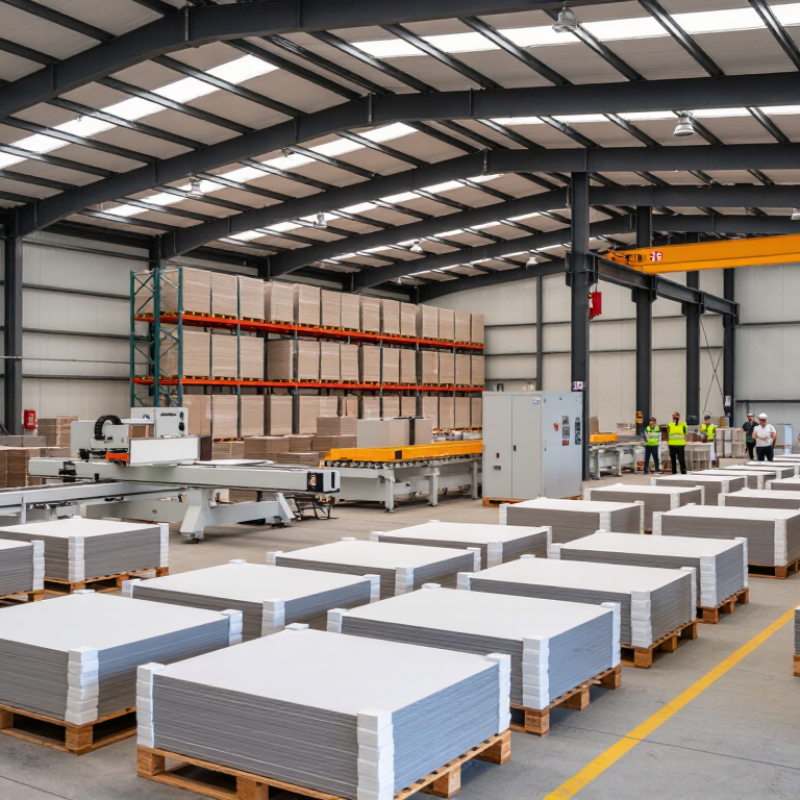
A fiber cement partition board is a non-load-bearing panel made from cement, cellulose fibers, mineral fillers, and water. The mixture is pressed, cured, and cut into stable sheets. It creates interior walls, service enclosures, and wet-area partitions. Unlike gypsum board, it tolerates higher humidity and impact. However, it is not automatically waterproof.
The board’s performance depends on density, thickness, joint treatment, and installation quality. ASTM C1186 and EN 12467 provide recognized performance frameworks for fiber-cement sheets. A 2024 report from Mordor Intelligence estimated steady growth in the global fiber-cement market, supported by demand for durable and fire-resistant building materials. Market figures vary between reports. That difference deserves attention, not blind acceptance. A thicker board may improve sound control, but framing and sealing still matter more than many buyers expect.
Tips: Check the technical datasheet before comparing suppliers. Confirm thickness, density, bending strength, moisture movement, fire classification, and test standards. For bathrooms or kitchens, use sealed joints and compatible fasteners. Ask for recent laboratory reports, not only catalogue claims. A small sample cut can reveal edge quality, fiber distribution, and machining behavior. China-based suppliers should also provide consistent batch records and clear export packaging details.
| Evaluation Dimension | Typical Technical Data | Why It Matters | What to Confirm with a Supplier |
|---|---|---|---|
| Product Definition | A factory-made, cement-based sheet reinforced with cellulose fibers and used for internal partitions, wall linings, and selected exterior applications. | Provides a rigid, dimensionally stable panel system that can be finished with paint, tiles, or other wall coverings. | Ask for the product composition, intended application, installation method, and applicable test reports. |
| Main Raw Materials | Hydraulic cement, refined cellulose fibers, mineral fillers, silica or other mineral components, water, and process additives. | The formulation affects strength, moisture resistance, density, workability, and long-term stability. | Confirm whether asbestos is absent and request a current material safety or compliance declaration. |
| Common Thicknesses | Approximately 4–6 mm for lining applications; approximately 8–12 mm for many partition-board applications. Thicker boards are also available. | Thickness influences impact resistance, screw holding, acoustic performance, weight, and system design. | Confirm thickness tolerance, edge profile, recommended framing spacing, and maximum unsupported span. |
| Typical Panel Sizes | Common formats include approximately 1,200 mm widths and lengths around 2,400–3,000 mm; custom sizes may be possible. | Panel dimensions affect installation speed, joint layout, transportation, cutting waste, and labor cost. | Request exact length, width, squareness, flatness, pallet dimensions, and container-loading information. |
| Density and Weight | Many standard fiber cement boards have an approximate dry density of 1,000–1,600 kg/m³. A 1,200 × 2,400 mm board at 8 mm thickness may weigh roughly 23–37 kg. | Weight affects handling, framing requirements, labor safety, shipping cost, and building load calculations. | Verify declared density, mass per square meter, moisture condition used for weighing, and lifting recommendations. |
| Fire Performance | Cement-based fiber boards are generally non-combustible or limited-combustibility products, subject to their formulation and the applicable classification test. | They can contribute to fire-resistant wall assemblies, but the complete tested system determines the actual fire rating. | Request fire classification and full-system fire-resistance reports rather than relying only on a board-level claim. |
| Moisture Resistance | Good resistance to humidity and intermittent wetting when properly installed; the board is not automatically waterproof in every application. | Suitable for many kitchens, utility rooms, bathrooms, and semi-exposed areas when joints and finishes are correctly detailed. | Confirm water absorption, wet-strength retention, sealing requirements, and whether the product is approved for continuously wet areas. |
| Mechanical Performance | Performance varies by thickness and grade; relevant properties include bending strength, impact resistance, screw pull-out, and breaking load. | Adequate mechanical performance reduces cracking, edge damage, and failure around fixtures or service openings. | Request test values in both machine and cross-machine directions, plus installation limits for fixings and openings. |
| Dimensional Stability | Fiber cement boards have low movement compared with many organic sheet materials, but moisture-related and thermal movement still require joint detailing. | Stable boards help maintain straight partitions and reduce joint cracking during service. | Check length and width change, moisture movement, thermal expansion data, and recommended control-joint spacing. |
| Acoustic Considerations | A single board provides limited sound insulation; acoustic performance depends on board layers, cavity depth, insulation, framing, and airtightness. | A correctly designed partition can improve speech privacy and reduce airborne sound transmission. | Request tested sound-reduction data for the complete wall assembly, not only the individual panel. |
| Surface and Finishing | Boards may be smooth, lightly textured, or designed for tile, paint, render, or other compatible finishes. | The surface finish affects appearance, primer selection, joint treatment, and finishing labor. | Confirm surface flatness, moisture content, compatible coatings, joint compounds, and required primer or sealer. |
| Cutting and Installation | Installation commonly uses corrosion-resistant screws on metal or treated timber framing; carbide-tipped or diamond tools may be required for cutting. | Correct tools and fasteners help control dust, prevent edge damage, and maintain fixing strength. | Obtain the installation manual, screw schedule, edge-clearance rules, joint details, and dust-control guidance. |
| Applicable Standards | Depending on the destination market, specifications may reference standards such as EN 12467, ASTM C1186, or relevant national standards. | Recognized standards provide a consistent basis for testing, classification, and comparison. | Confirm the exact standard edition, product category, test laboratory, report date, and whether the report applies to the offered product. |
| Quality-Control Capability | A reliable production process should control raw materials, slurry formation, pressing, curing, drying, trimming, and final inspection. | Consistent process control reduces variation in thickness, strength, moisture content, and panel dimensions. | Request batch records, inspection plans, sample-retention procedures, corrective-action procedures, and recent test results. |
| Export and Packaging Readiness | Panels are normally palletized with protective separators and should be kept dry, flat, and adequately supported during storage and transport. | Proper packaging reduces breakage, edge chipping, moisture exposure, and unloading problems. | Confirm pallet weight, packaging materials, container loading plan, moisture protection, markings, and replacement policy for transit damage. |
| Best-Fit Applications | Interior partitions, wet-area linings, fire-rated wall systems, ceiling linings, service enclosures, and selected ventilated façade or exterior lining systems. | The material offers a balance of fire resistance, moisture tolerance, durability, and finishing flexibility. | Confirm that the selected grade, thickness, framing system, and finish are approved for the specific building location and exposure. |
Note: Technical values shown are common indicative ranges for fiber cement partition boards. Actual performance depends on product formulation, thickness, manufacturing process, installation method, and the applicable test standard.