What is Fiber Cement Partition Board and How is it Used?
Fiber Cement Partition Board has gained significant attention in modern construction. This innovative material offers durability and versatility for various applications. Renowned expert John Thompson, a project manager with over 15 years of experience, emphasizes its benefits, stating, "Fiber Cement Partition Board is a game changer in sustainable building practices."
The board is not only fire-resistant but also moisture-resistant. Many builders now prefer it over traditional drywall. It provides better insulation and soundproofing properties. However, some challenges remain. Installation can be more complex, requiring skilled labor. Understanding the nuances can prevent costly mistakes and inefficiencies in building.
As the industry evolves, the use of Fiber Cement Partition Board will likely expand. More architects are exploring its potential. This trend reflects a growing demand for eco-friendly materials. Awareness about its capabilities is essential for anyone considering its application.
What is Fiber Cement Partition Board?
Fiber cement partition board is an innovative building material.
It combines cement, cellulose fibers, and sand. This unique composition gives it
durability and strength. The board is resistant to moisture, making it suitable
for various environments. Its lightweight nature allows for easy installation in residential and commercial spaces.
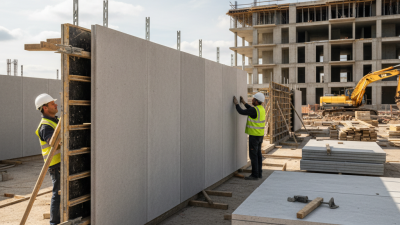
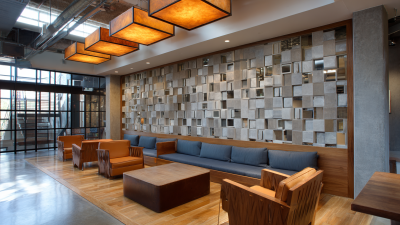
Construction professionals often use fiber cement partition boards for interior walls. They help in creating
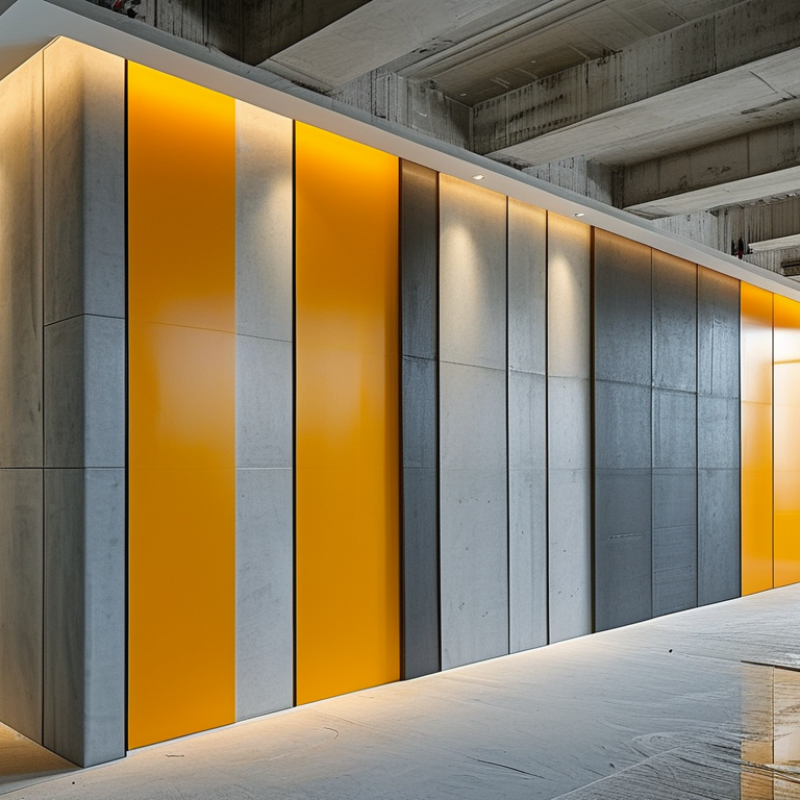
functional and aesthetic spaces. The boards can be painted or
finished to match any decor. Many builders appreciate their versatility.
However, some may find them challenging to cut without proper tools. This can lead to less-than-ideal finishes if
not done carefully.
In addition, the boards can be more expensive than traditional materials like drywall. This may cause hesitation for some contractors.
Proper installation is crucial for maximizing benefits. Understanding the material's properties can prevent mistakes. Overall,
fiber cement partition boards offer a blend of practicality and design options.
They are a worthy consideration for modern construction projects.
Composition and Manufacturing Process of Fiber Cement Board
Fiber cement boards are unique construction materials made from a mixture of sand, cement, and cellulose fibers. This composition gives them strength and durability. The manufacturing process typically involves mixing the raw materials, forming the boards, and then curing them under high heat and pressure. This process increases their resilience against moisture, fire, and pests, making them suitable for diverse applications.
The flexibility of fiber cement boards is evident in their various uses. They can be applied in interior partition walls, ceilings, and even exteriors. However, the production process can produce waste, raising concerns. Manufacturers must find ways to minimize their environmental impact. Ensuring the consistency of the board thickness can also be a challenge. It's important for builders to collaborate closely with manufacturers to address these issues effectively.
Advantages of Fiber Cement Partition Boards in Construction
Fiber cement partition boards have gained popularity in construction due to their beneficial properties. These boards are made from a cementitious mixture that includes cellulose fibers. This unique composition provides outstanding durability, making them resistant to rot, termites, and moisture. According to a recent industry report, the global fiber cement board market is expected to reach approximately $2.5 billion by 2025, indicating a strong demand driven by these qualities.
One of the primary advantages of fiber cement partition boards is their fire resistance. They can withstand high temperatures and prevent the spread of flames, offering safety in various applications. Moreover, these boards provide excellent sound insulation, which is particularly important in commercial buildings where noise reduction is crucial. A study found that buildings utilizing fiber cement boards experienced a 20% reduction in sound transmission compared to conventional materials.
Additionally, these partition boards are eco-friendly. They are made from sustainable materials and can contribute to green building certifications. However, some challenges remain. Fiber cement boards can be heavier than alternatives, which may complicate installation processes. Proper handling is essential to avoid potential mishaps. Overall, the advantages of fiber cement partition boards make them a persuasive choice in modern construction, highlighting the need for continued innovation and improvement in their production and application.
What is Fiber Cement Partition Board and How is it Used? - Advantages of Fiber Cement Partition Boards in Construction
| Property |
Details |
| Material Composition |
Cement, cellulose fibers, sand, clay |
| Fire Resistance |
Non-combustible, can withstand high temperatures |
| Durability |
Long-lasting, resistant to moisture, pests, and rot |
| Weight |
Moderately heavy compared to traditional boards |
| Applications |
Interior partitions, exterior walls, soffits |
| Sound Insulation |
Excellent acoustic properties, reducing sound transmission |
| Environmental Impact |
Sustainable, made from natural materials |
| Installation |
Requires skilled labor, specific tools for cutting and fastening |
Common Applications of Fiber Cement Boards in Building Projects
Fiber cement partition boards have gained popularity in the construction industry. Their durability and versatility make them suitable for various applications. Commonly, these boards are used in interior and exterior wall constructions. They offer fire resistance and are less prone to water damage. This makes them ideal for areas with high humidity, such as bathrooms and kitchens.
In commercial building projects, fiber cement boards are often employed for creating soundproof partitions. They help reduce noise between different spaces, enhancing comfort and privacy. Additionally, these boards are frequently used in multi-family residential buildings. They provide excellent insulation and can help meet energy efficiency standards.
However, not all projects benefit equally from these materials. Proper installation is crucial to maximize their advantages. Mistakes in handling or fitting can lead to gaps and reduced performance. Therefore, understanding the specific requirements of each project is important. While fiber cement boards offer many benefits, they also require careful consideration to ensure effectiveness.
Common Applications of Fiber Cement Boards in Building Projects
Performance Characteristics and Industry Standards for Fiber Cement Boards
Fiber cement partition boards are becoming increasingly popular in the construction industry due to their unique performance characteristics. These boards are composed of cement, cellulose fibers, and other materials, making them durable and resistant to various environmental factors. They provide excellent fire resistance, moisture control, and are not susceptible to termites. Many construction professionals trust these boards, as they meet stringent industry standards.
When installing fiber cement boards, it's important to follow proper techniques. Make sure surfaces are clean and dry before application. Incorrect installation can lead to issues such as water damage or structural weaknesses. Always check local building codes to ensure compliance.
Tip: Use suitable tools for cutting and fastening to avoid damaging the board's integrity.
While fiber cement boards are reliable, there are things to reflect on. Installation can be labor-intensive, requiring skilled workers. Improper handling can lead to cracks, so training is vital. Assessing the environmental impact of production is also crucial. Sustainable choices can lead to better outcomes for the industry.
Tip: Regular inspections can help spot potential issues early, ensuring longevity.

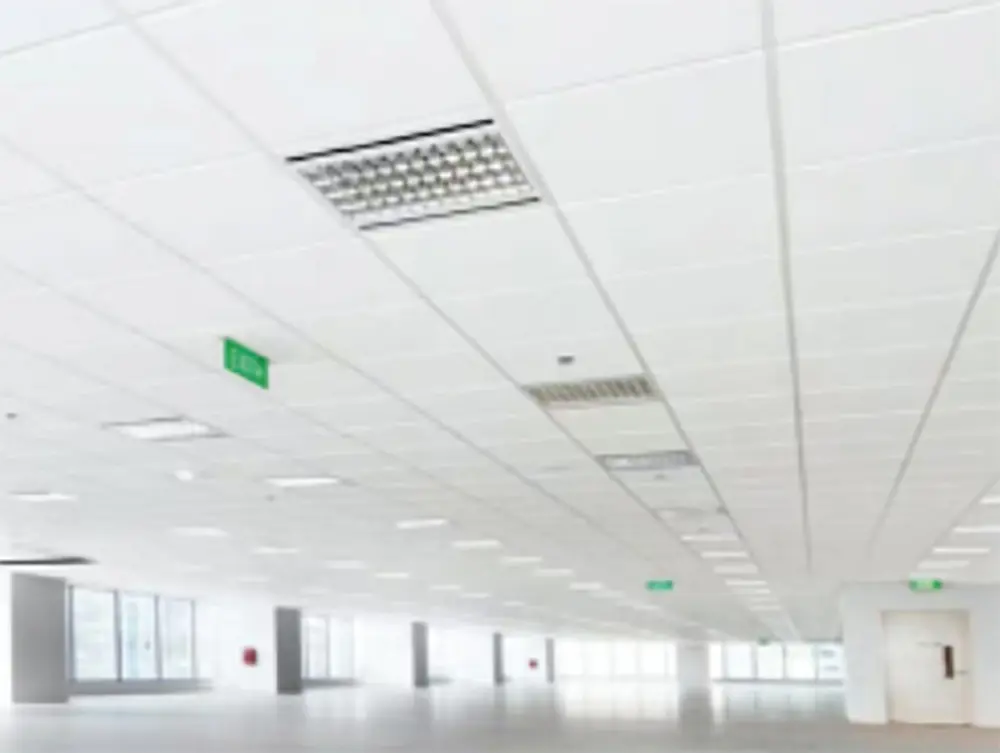 LEAO®Deco Ceiling
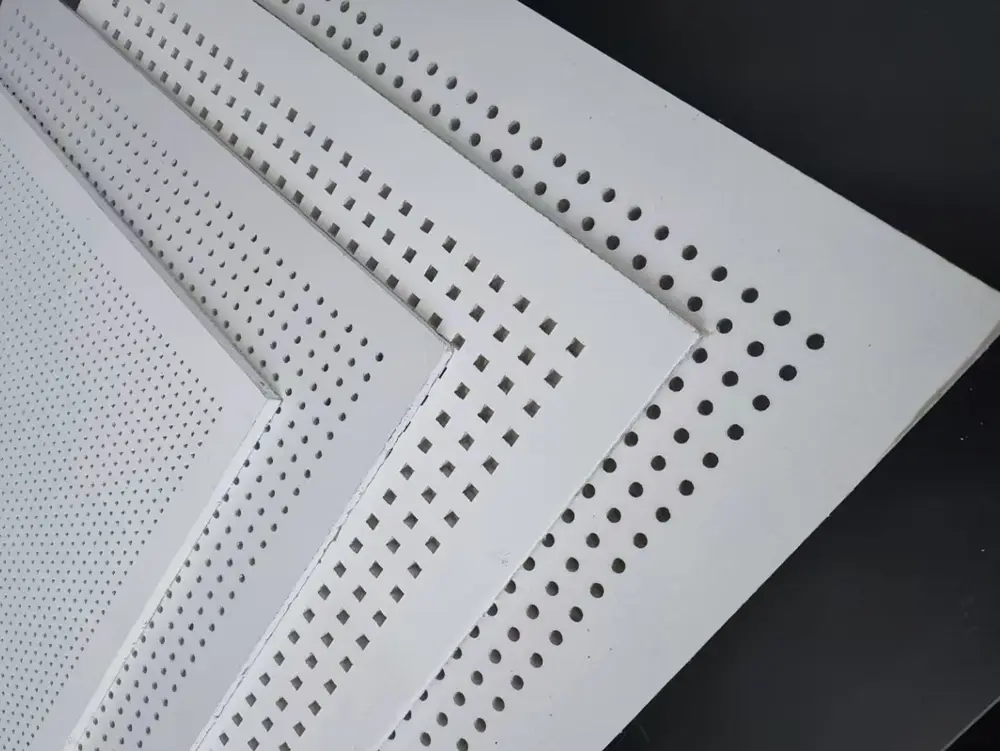 LEAO® Perforated Ceiling
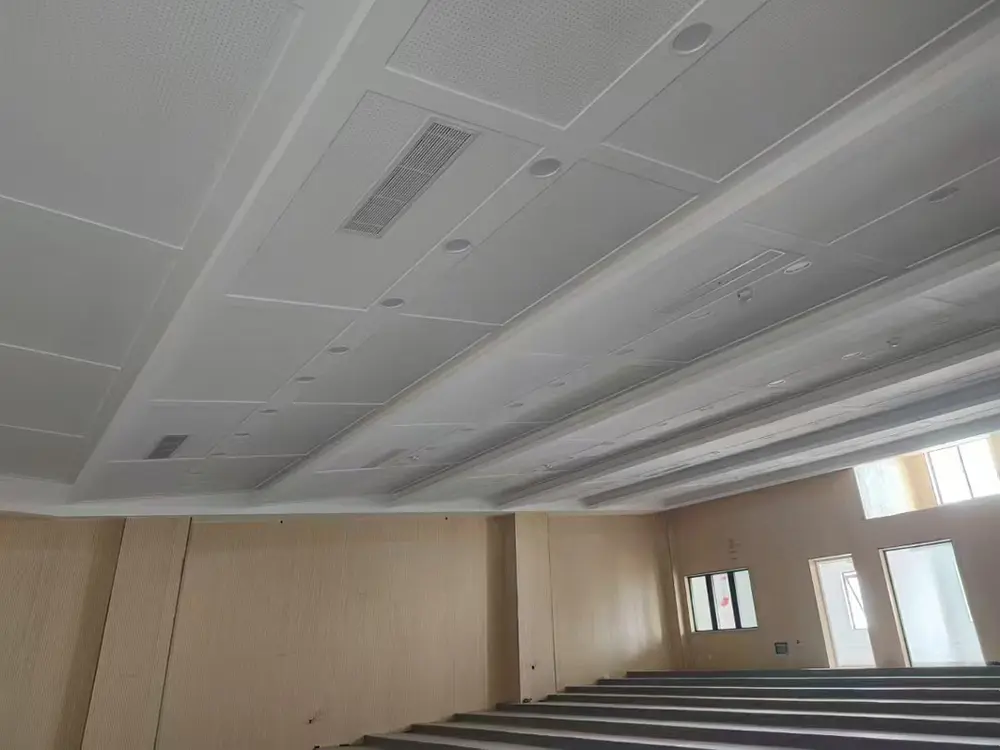 LEAO® Ceiling Board
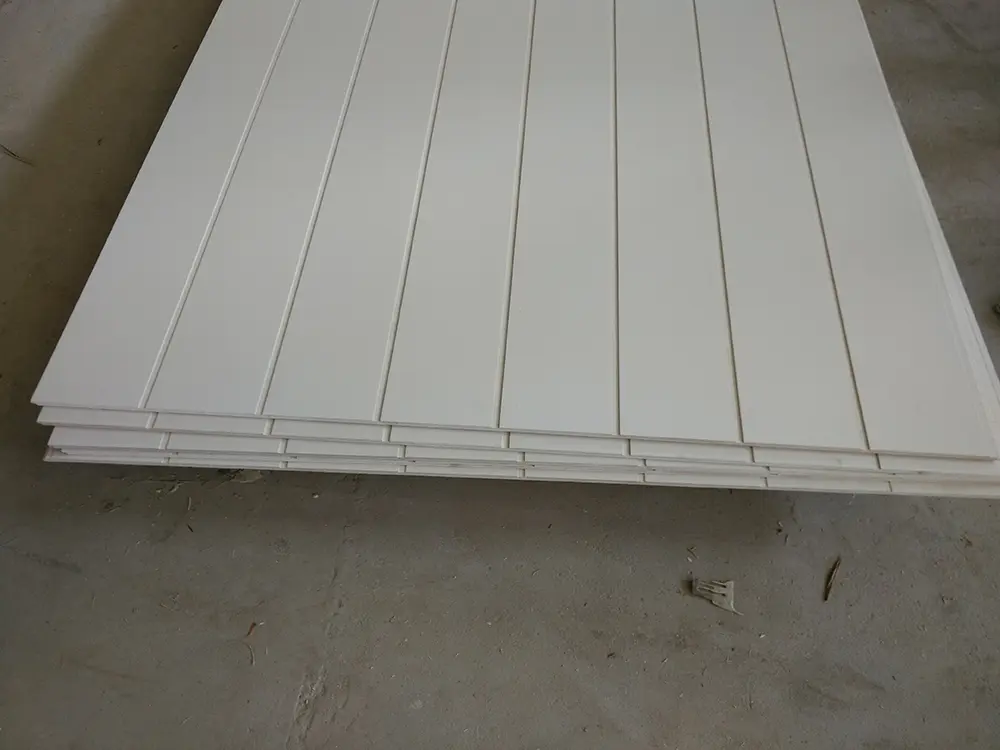 LEAO® Groove Interior Panel
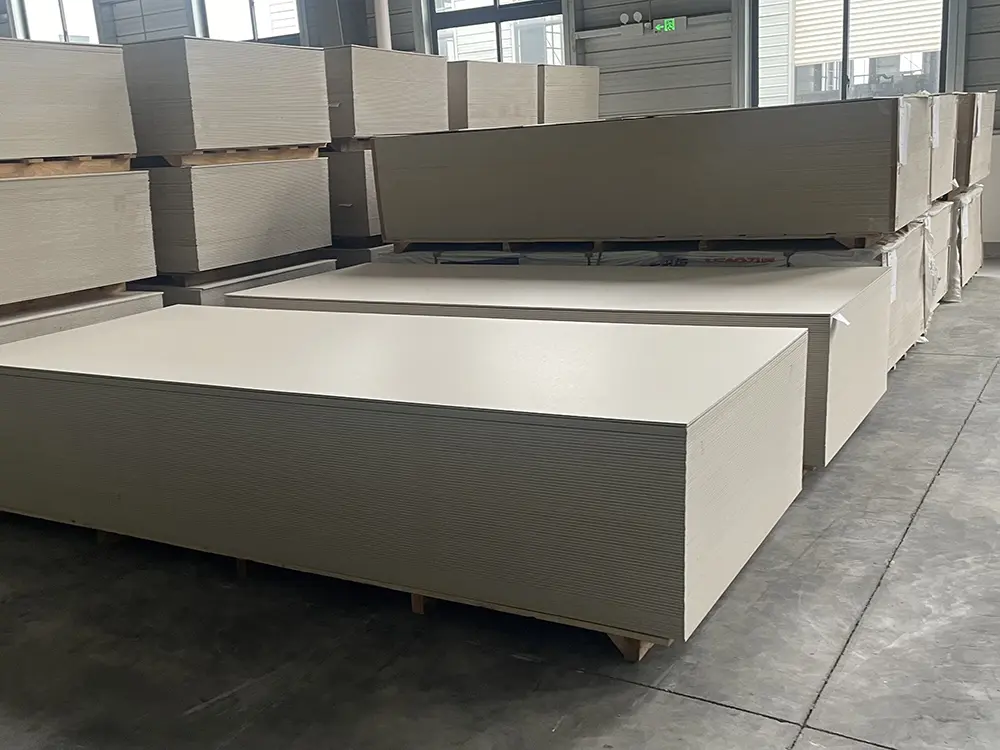 LEAO® Interior Board
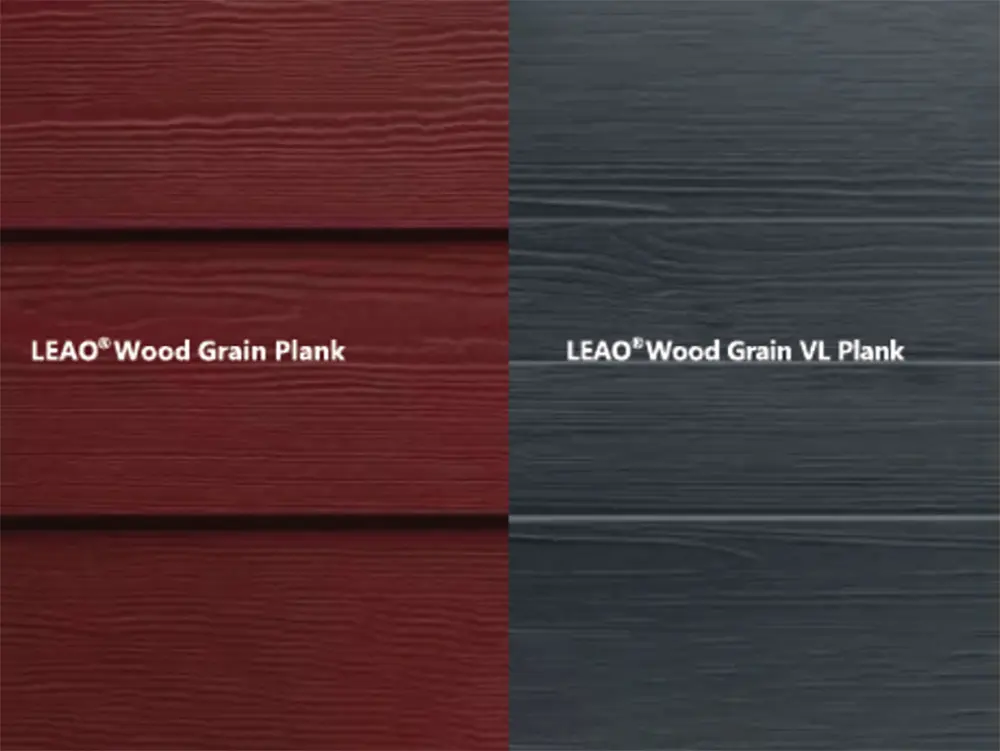 LEAO® Wood Grain Plank
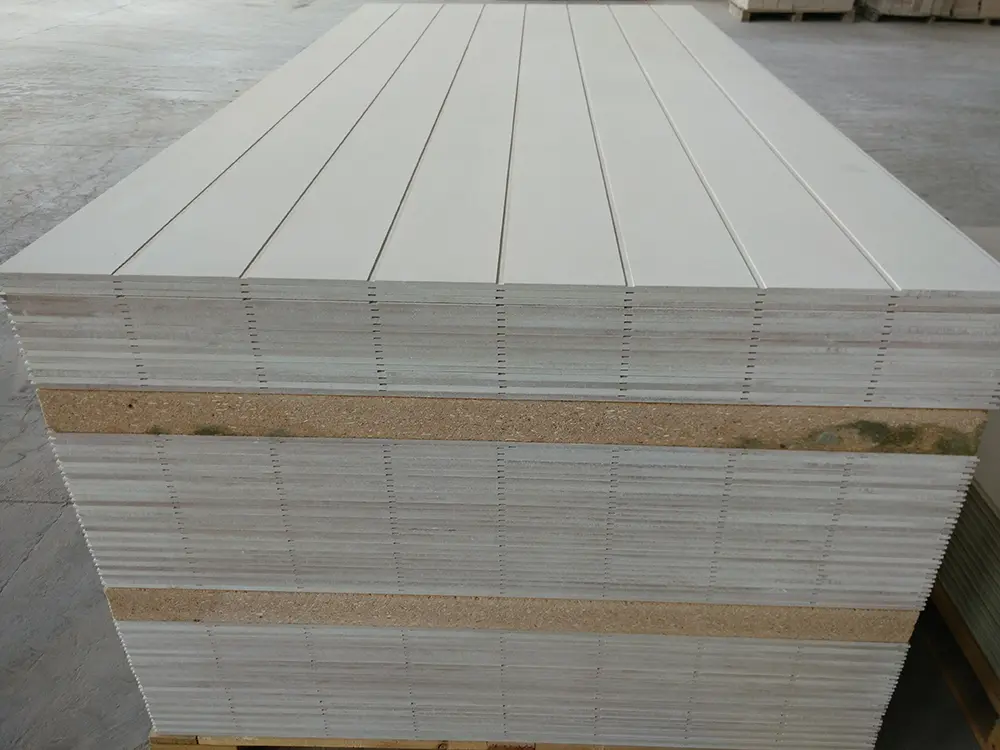 LEAO® Grooved Exterior Panel
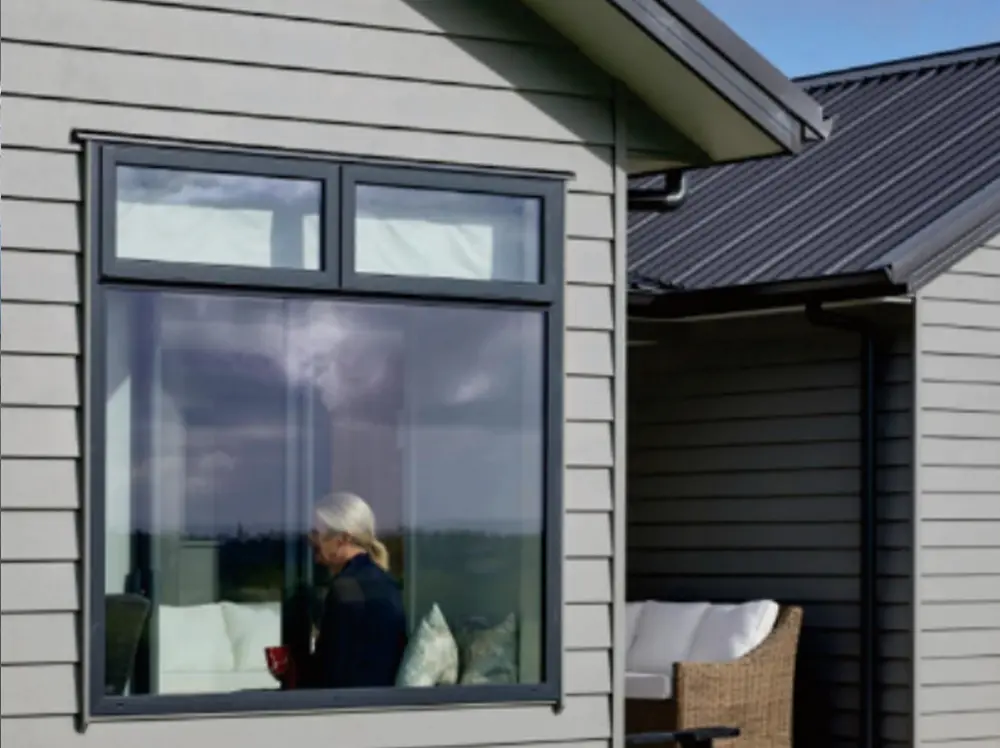 LEAO® Weatherboard
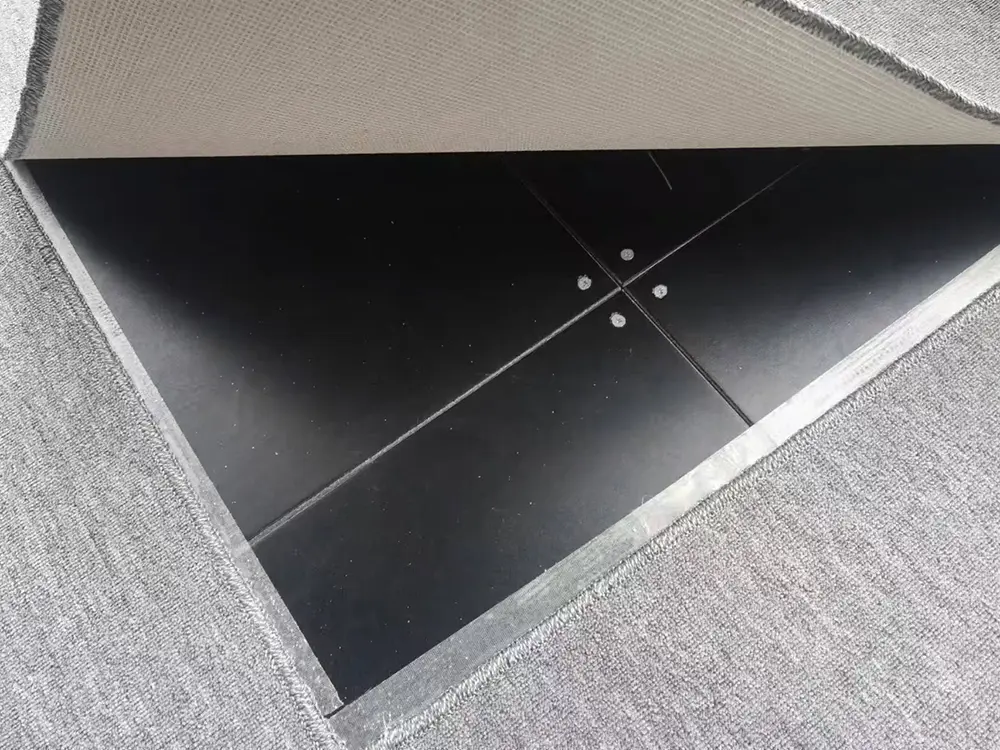 LEAO® Access Floors
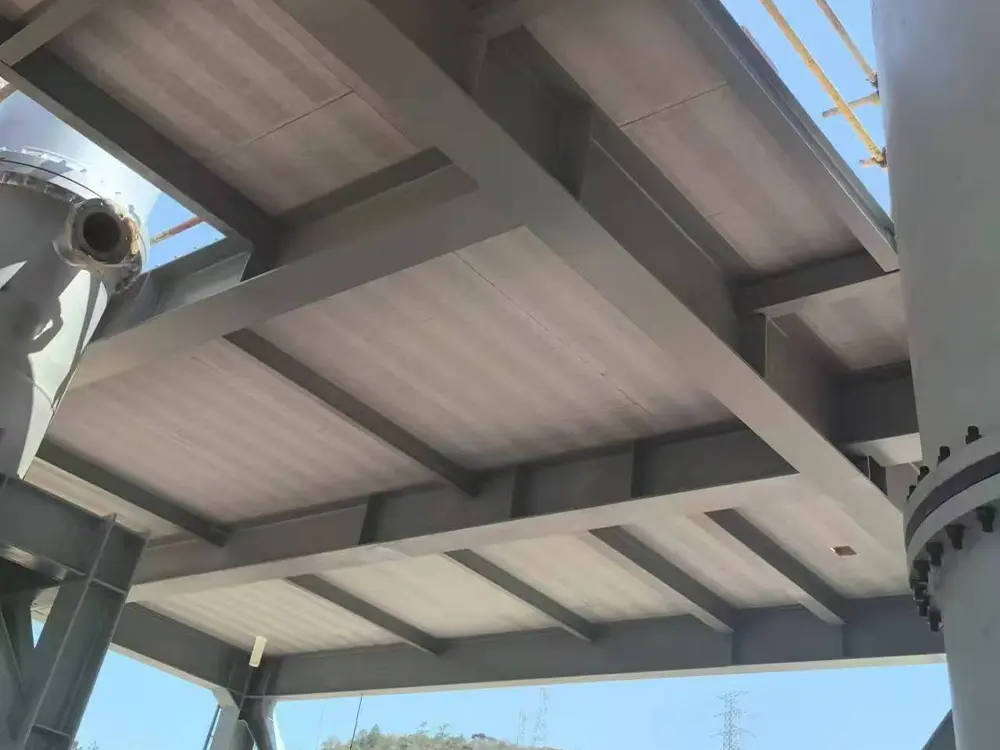 LEAO® Non-removable Formwork
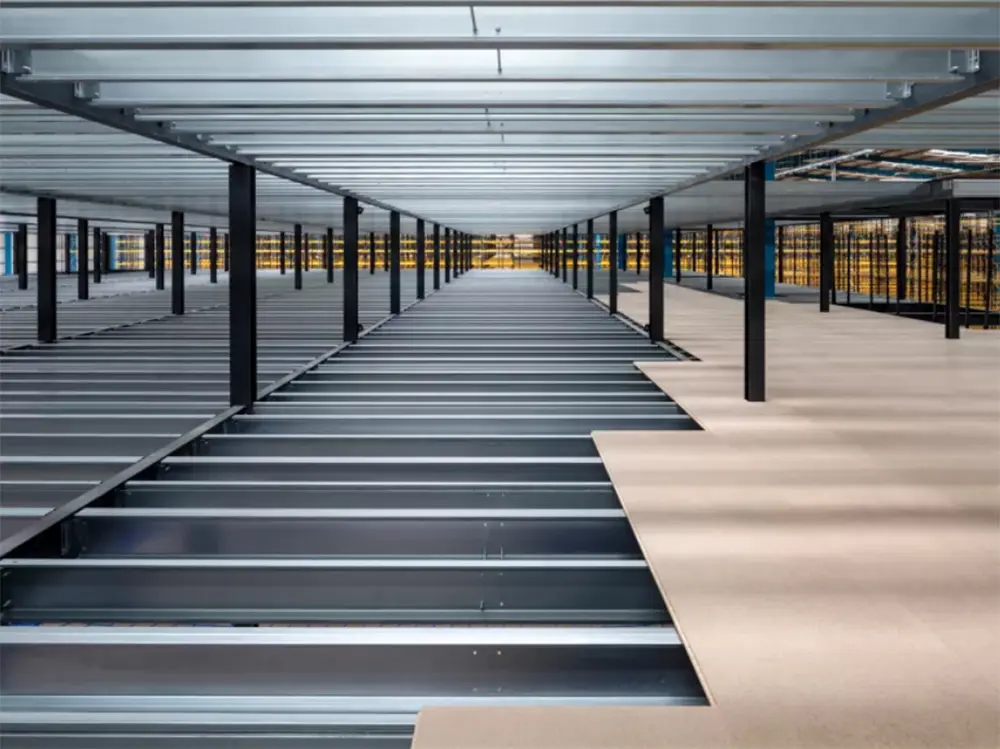 LEAO® Mezzanine Board
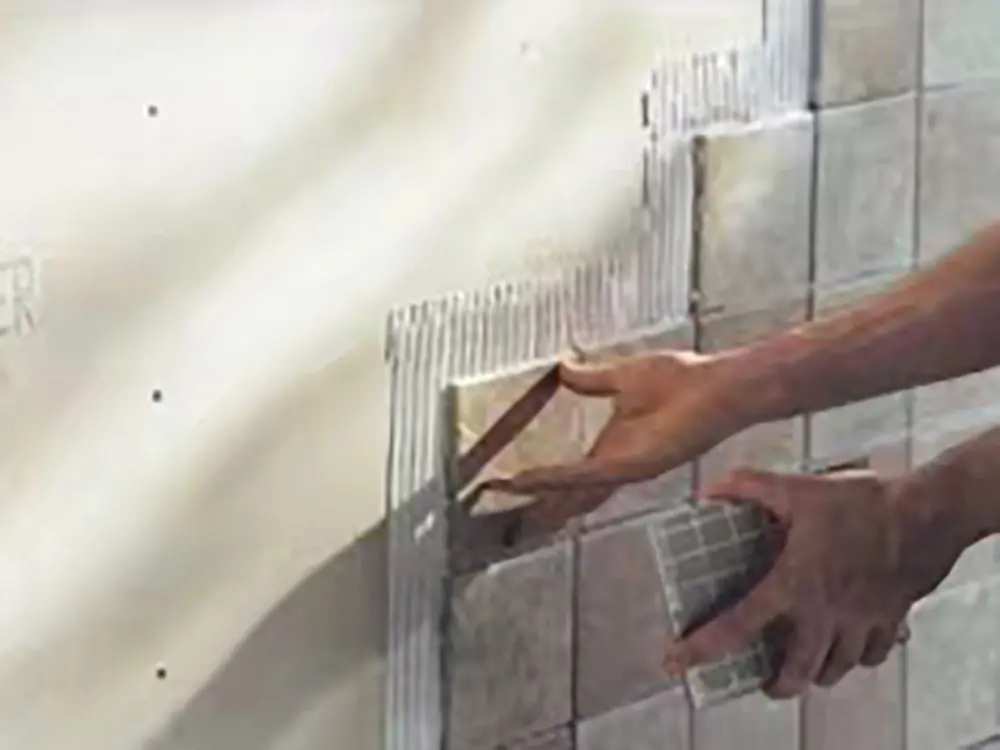 LEAO® Ceramic Tile Underlay
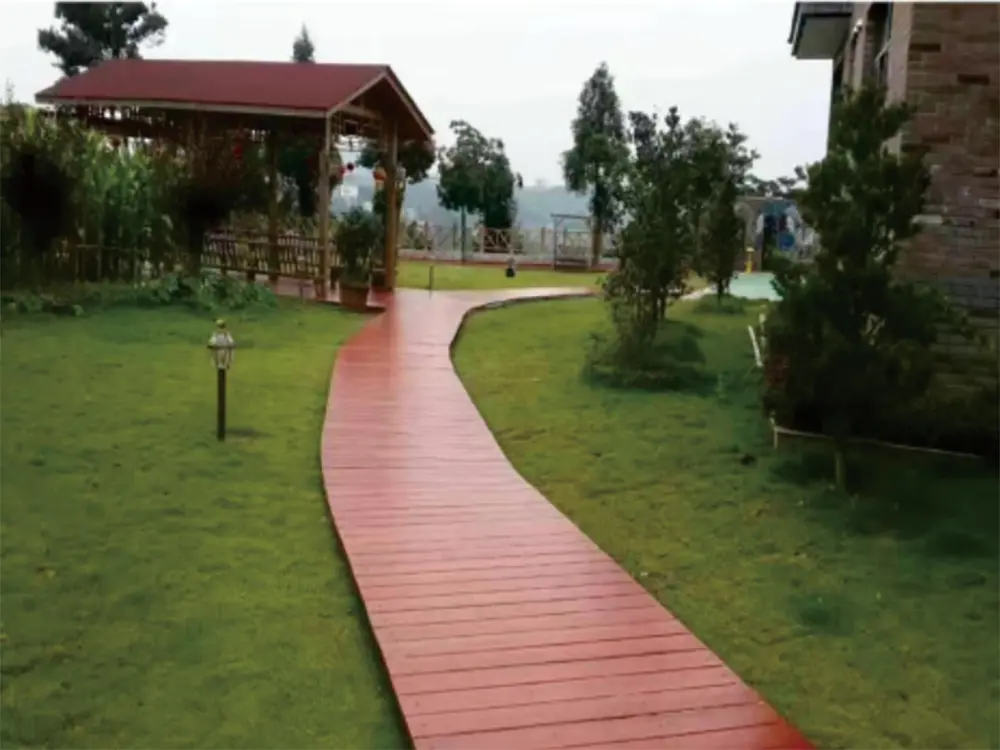 LEAO® Floor Plank
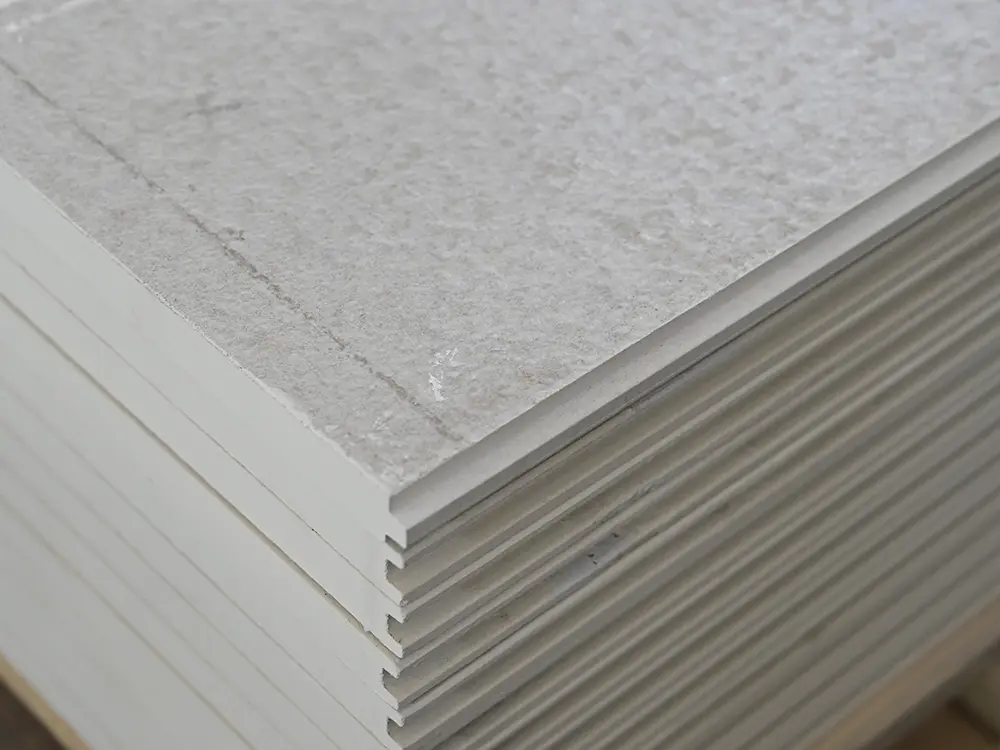 LEAO® Flooring
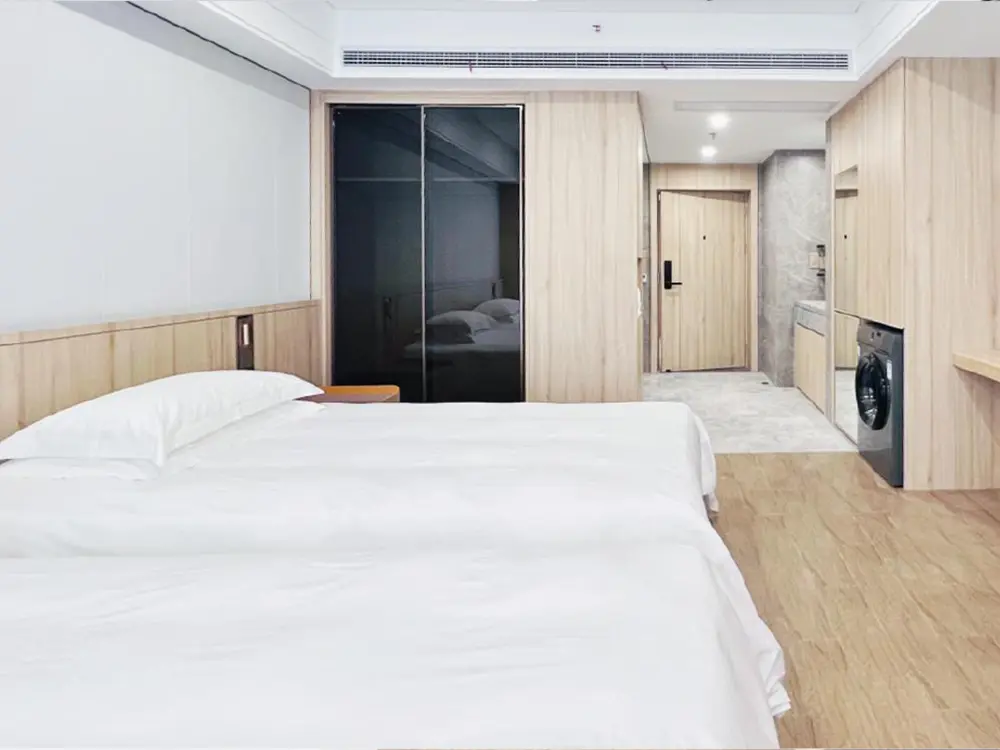 LEAO® Wood Style Decorative Panel
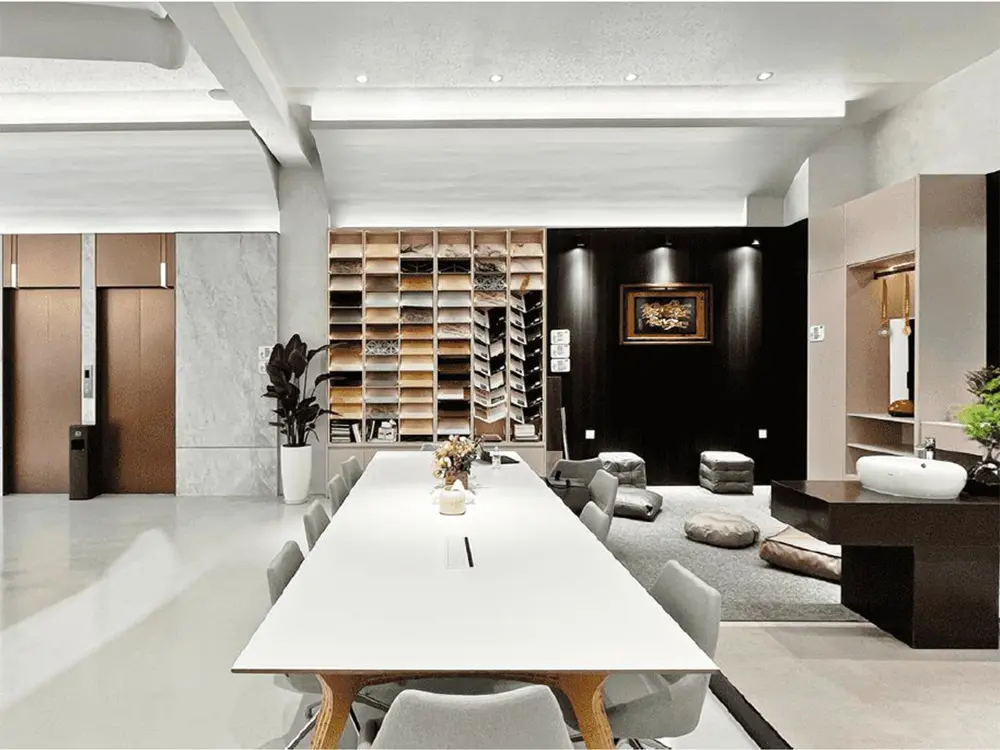 LEAO® Stone Style Decorative Panel
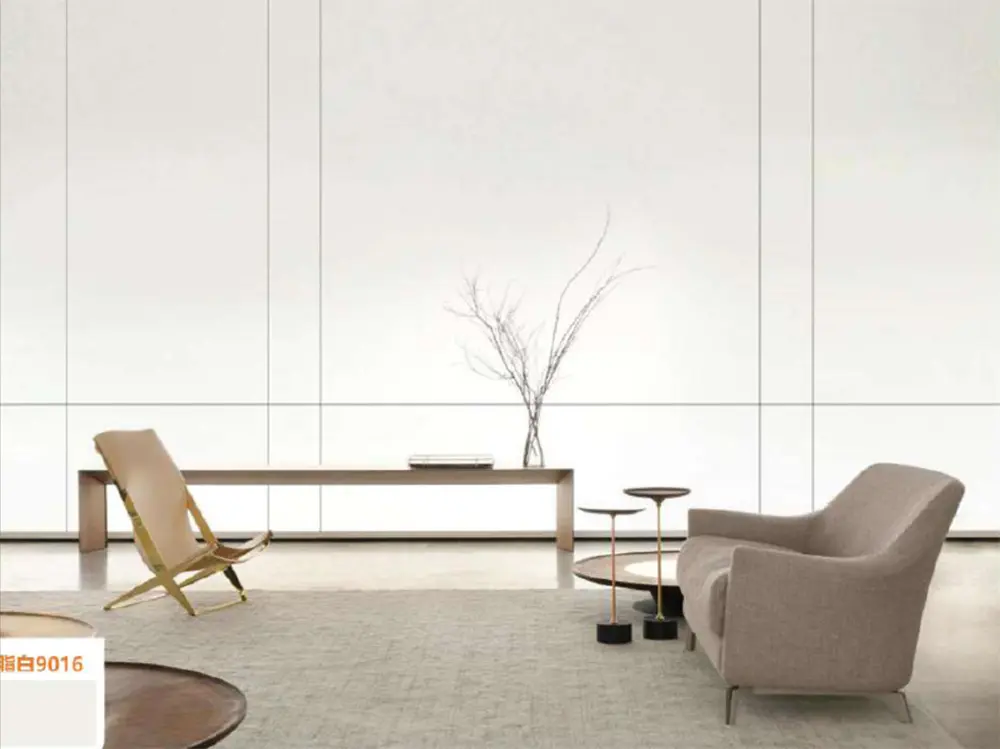 LEAO® Pure Style Decorative Panel