2026 Top Fiber Cement Fascia Board Manufacturers?
Choosing the 2026 top Fiber Cement Fascia Board manufacturers requires more than comparing product brochures. A reliable evaluation should examine manufacturing experience, material consistency, technical support, and verified project performance. Fascia boards protect roof edges from moisture, wind, insects, and daily temperature changes. Small differences can matter.
This guide focuses on manufacturers that demonstrate dependable production, clear specifications, and practical knowledge of exterior building systems. We consider board density, thickness options, edge stability, surface finish, fire performance, warranty terms, and installation guidance. Independent certifications and published test data also deserve careful attention. A polished website is not proof of quality.
Field experience adds another layer. Contractors often notice issues that laboratory data cannot fully explain, such as brittle cut edges, difficult fastening, or uneven paint absorption. Performance varies. Climate, ventilation, roof design, and installation habits can change the result. Therefore, no manufacturer should be judged by price alone or by a single impressive project.
The companies discussed in this overview are assessed through a balanced, evidence-based lens. Available company records, product documentation, customer feedback, and industry credibility all influence the comparison. Some information may change during 2026, and regional availability can be inconsistent. That limitation deserves honest recognition. Buyers should confirm current certifications, local code requirements, lead times, and warranty conditions before placing an order. A strong manufacturer should answer specific questions clearly, not hide behind broad claims. The right choice is the board system that matches the building, the climate, and the installer’s actual experience.
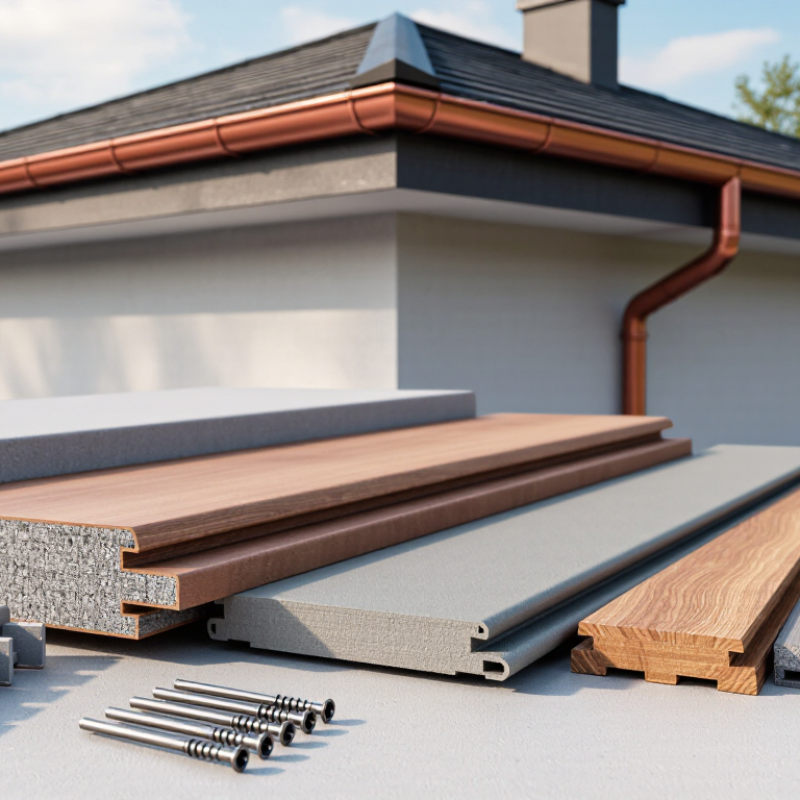
What Is Fiber Cement Fascia Board?
What Is Fiber Cement Fascia Board?
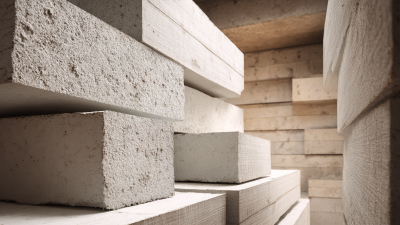
Fiber cement fascia board is an exterior trim product made from cement, cellulose fibers, sand, and water. Manufacturers press and cure these materials into dense, stable boards. The board runs along a roof’s lower edge, covering rafter ends and supporting gutter systems. It also creates a clean transition between roofing and wall cladding.
In practical installations, fiber cement fascia offers strong resistance to rot, insects, and everyday weather exposure. However, it is heavier than wood and can crack when handled carelessly. Cutting may create fine dust, so installers should use suitable protective equipment and follow local safety requirements. I have found that edge sealing matters greatly. Unsealed cuts can absorb moisture over time, even when the board surface performs well. Performance also depends on correct flashing, ventilation, fastener spacing, and the surrounding roof design. Always check current installation instructions and local building codes.
Tips: Keep boards flat and supported before installation. Use corrosion-resistant fasteners suited to the substrate. Prime or seal every field-cut edge promptly. Leave the specified clearance above roofing materials and horizontal surfaces. A small gap can prevent swelling and paint failure. Measure twice. Fascia repairs are awkward once gutters are installed. This step is often underestimated.
Key Features and Benefits of Fiber Cement Fascia
Fiber cement fascia is made from cement, cellulose fibers, sand, and water. This composition creates a rigid board for roof edges and eaves. It resists rot, termites, and swelling better than many wood products. Moisture still matters. Unsealed cuts can absorb water and weaken over time.
The surface accepts exterior paint and can match siding or trim. Its stable profile helps reduce warping during seasonal temperature changes. Many products also offer strong fire performance, but ratings depend on the complete assembly and local testing.
Check the technical data carefully. Claims should never replace verified specifications.
Fiber cement fascia feels solid in the hand. It also weighs more than vinyl or thin wood trim, so secure fastening is essential. Installers should use appropriate blades, control cutting dust, and maintain clearance from standing water. A small gap at joints allows movement and improves drainage. Poorly sealed joints remain a common weakness.
The material is durable, but not flawless. Impact can chip an exposed edge, especially near ladders or busy service areas.
Regular inspections can find cracked paint, open joints, or loose fasteners before damage spreads. For 2026 projects, compare thickness, edge treatment, warranty terms, fire data, and installation guidance rather than relying on appearance alone.
How to Evaluate Fiber Cement Fascia Board Manufacturers
Evaluating fiber cement fascia board manufacturers starts with evidence, not catalog photography. Market assessments from Grand View Research and Fortune Business Insights place the global fiber cement market in the mid-teens of billions of U.S. dollars in the early 2020s. Both project mid-single-digit growth through 2030. That growth can hide uneven quality.
Request independent test reports for ASTM C1186, ASTM C1185, and ASTM E330, where applicable. Check thickness, density, water absorption, flexural strength, and wind-load performance. A reliable supplier should provide batch numbers and traceable production records. Ask for samples from different production dates. One perfect sample proves little.
Examine the factory process closely. Look for controlled curing, sealed edges, and packaging that prevents corner damage. The manufacturer should explain how boards perform after repeated wetting and drying. A 2023 industry life-cycle assessment review found that service life and replacement frequency strongly influence building-material impacts. Longer service matters more than a low purchase price. Check the environmental product declaration, warranty exclusions, and installation guidance. Vague language is a warning.
Field experience still matters. Installers often notice bowed boards before laboratory reports reveal problems. Ask for project references in humid, coastal, or freeze-thaw regions. I would also question unusually broad warranties. They may exclude paint failure, fastener corrosion, or incorrect ventilation. Not every published figure is equally comparable. Some reports combine siding, trim, and fascia products, which can distort a direct manufacturer comparison.
Top Fiber Cement Fascia Board Manufacturers in 2026
Top Fiber Cement Fascia Board Manufacturers in 2026
The strongest fiber cement fascia board manufacturers in 2026 will compete on durability, dimensional stability, and installation consistency. According to Fortune Business Insights, the global fiber cement market was valued at about USD 17.4 billion in 2023. Its forecast suggests continued expansion through 2032. Grand View Research also reports steady market growth, although estimates differ by methodology. These figures cover fiber cement broadly, not fascia boards alone. That distinction matters.
Experienced buyers should examine board density, moisture resistance, edge performance, and third-party testing. A reliable manufacturer should publish technical data, fastening guidance, warranty terms, and regional compliance information. Factory quality control is equally important. Small variations can create visible misalignment along roof edges. Cost is only one signal. A cheaper board may require more cutting, sealing, or replacement.
Look closely at field evidence. Product samples should remain straight after repeated wetting and drying. Installation crews also notice whether edges chip during fastening. No ranking is flawless. Public data rarely separates fascia production from siding production, so comparisons require caution. In 2026, the most credible manufacturers will be those that combine transparent testing with responsive technical support. Marketing claims alone are not enough.
Installation, Maintenance, and Buying Considerations
Installation, Maintenance, and Buying Considerations
Fiber cement fascia performs best when installed as part of a complete roof-edge system. Keep boards straight, support joints, and follow the product’s tested fastening schedule. Leave suitable clearances above roofing and masonry. Protect every cut edge with the specified sealant or coating. Small mistakes become expensive.
Use corrosion-resistant fasteners and install metal flashing where water can collect. A ventilated soffit helps reduce trapped moisture behind the fascia. The U.S. Department of Energy’s Building America guidance emphasizes drainage, drying, and continuous flashing as core durability principles. In practice, installers often focus on appearance first. That is not enough.
Inspect the fascia twice yearly, especially after storms. Look for swollen edges, cracked joints, loose fasteners, peeling finish, and insect activity. Clean dirt gently; avoid aggressive pressure washing around seams. NAHB’s 2024 Life Expectancy of Home Components report lists fiber-cement siding at up to 100 years, but coatings and joints require earlier care. The material may last. The finish may not.
When buying, compare thickness, edge treatment, fastening requirements, tested standards, and warranty exclusions. Ask whether the board is approved for fascia use, not merely siding. The 2024 Cost vs. Value Report places fiber-cement siding’s average cost recoupment near 88 percent; this is useful market context, not a fascia guarantee. Request local labor estimates. Measure twice. Even experienced crews occasionally miss drainage details, so a written installation checklist remains worthwhile.

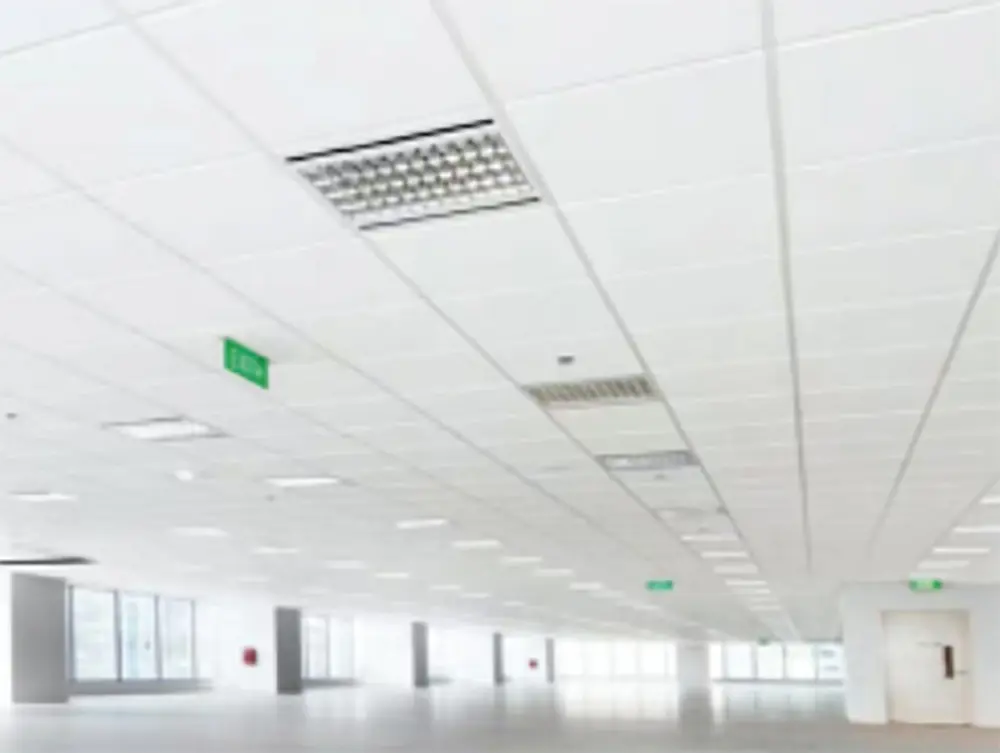 LEAO®Deco Ceiling
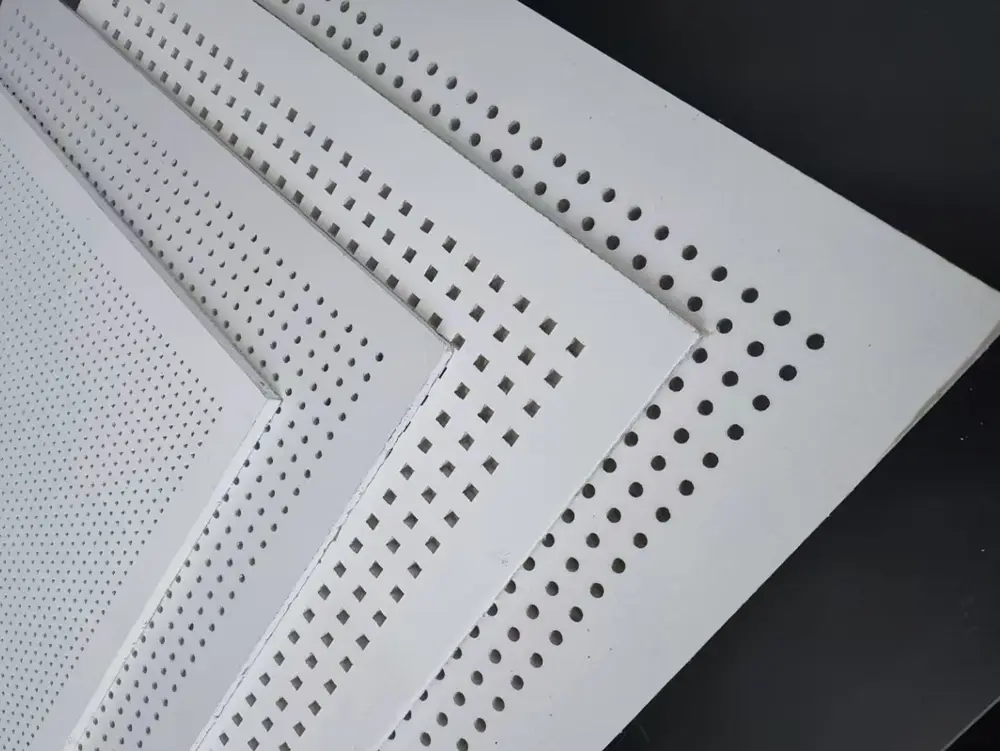 LEAO® Perforated Ceiling
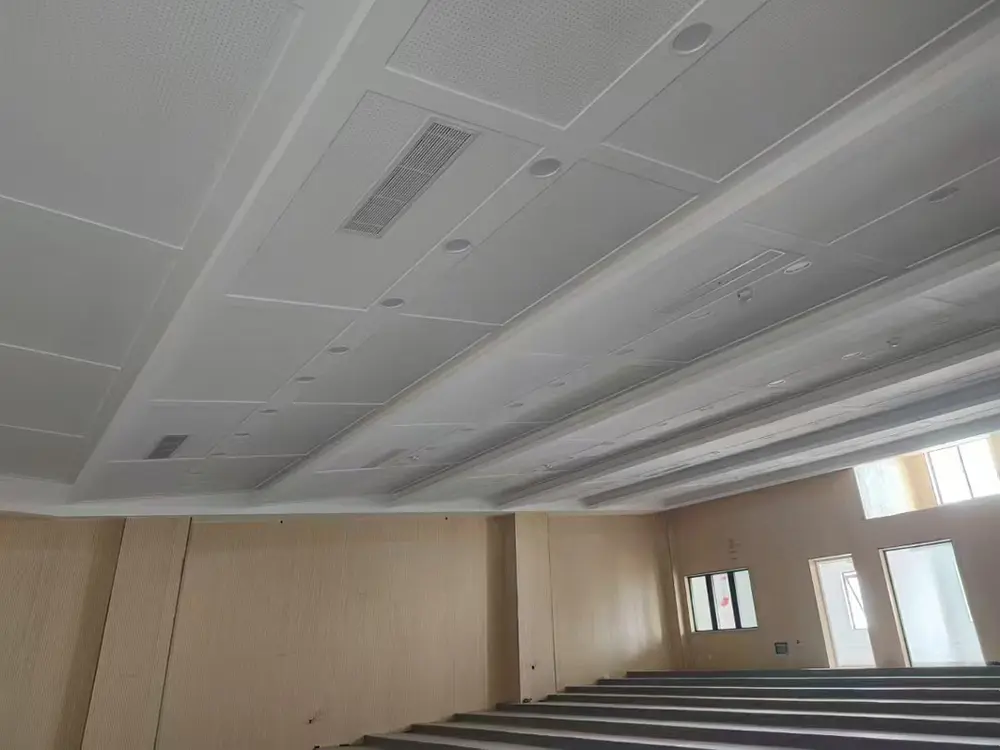 LEAO® Ceiling Board
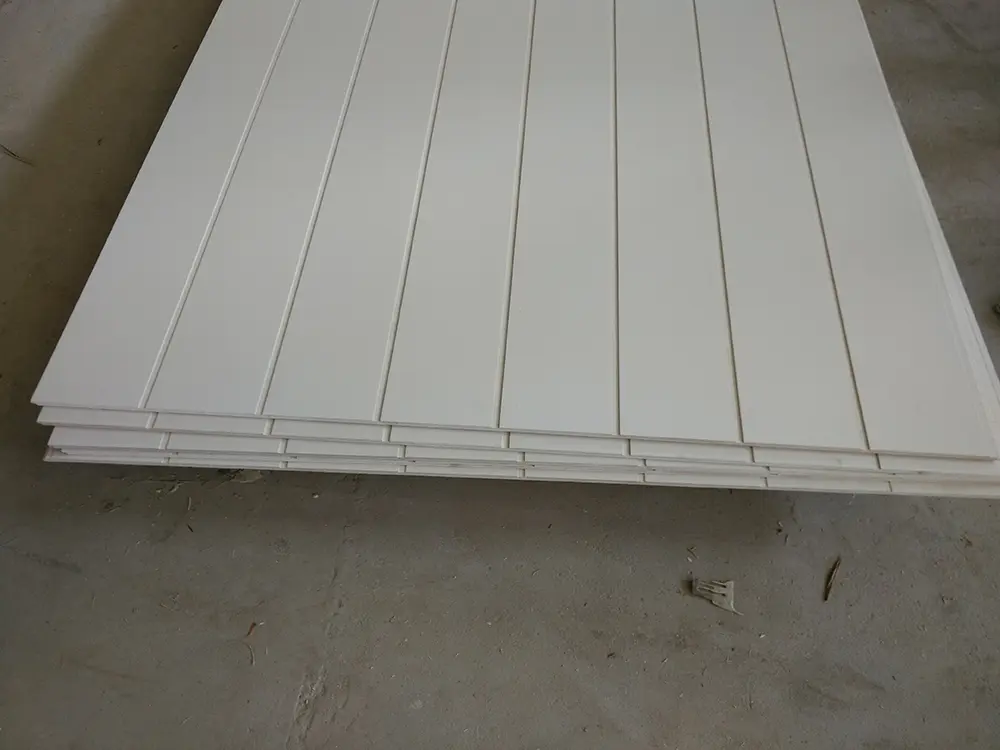 LEAO® Groove Interior Panel
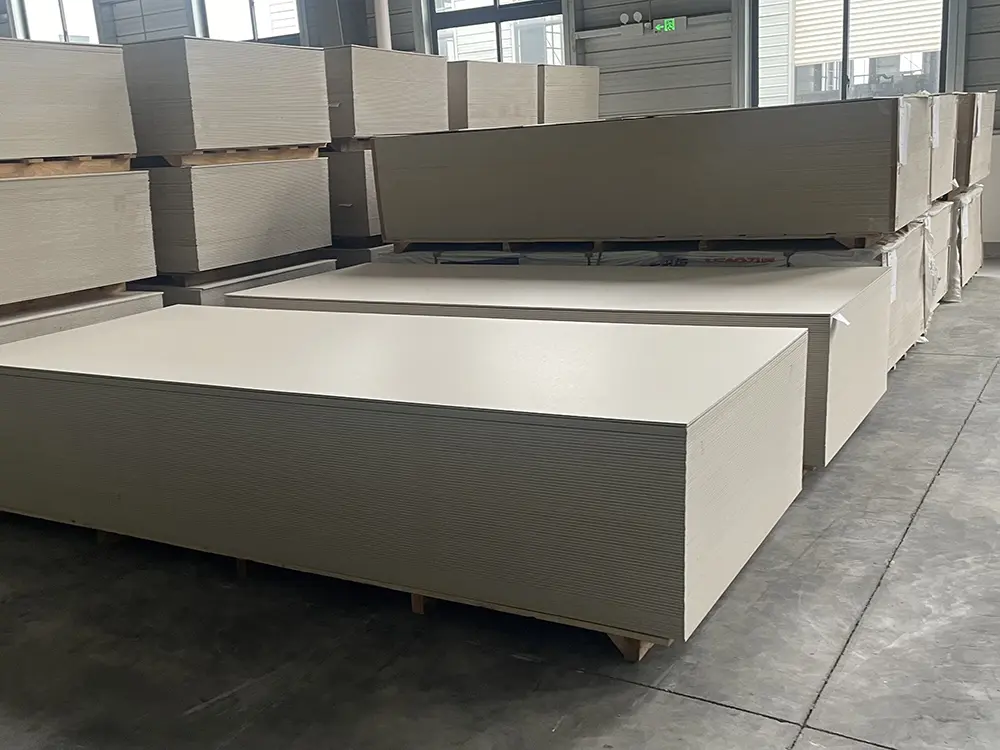 LEAO® Interior Board
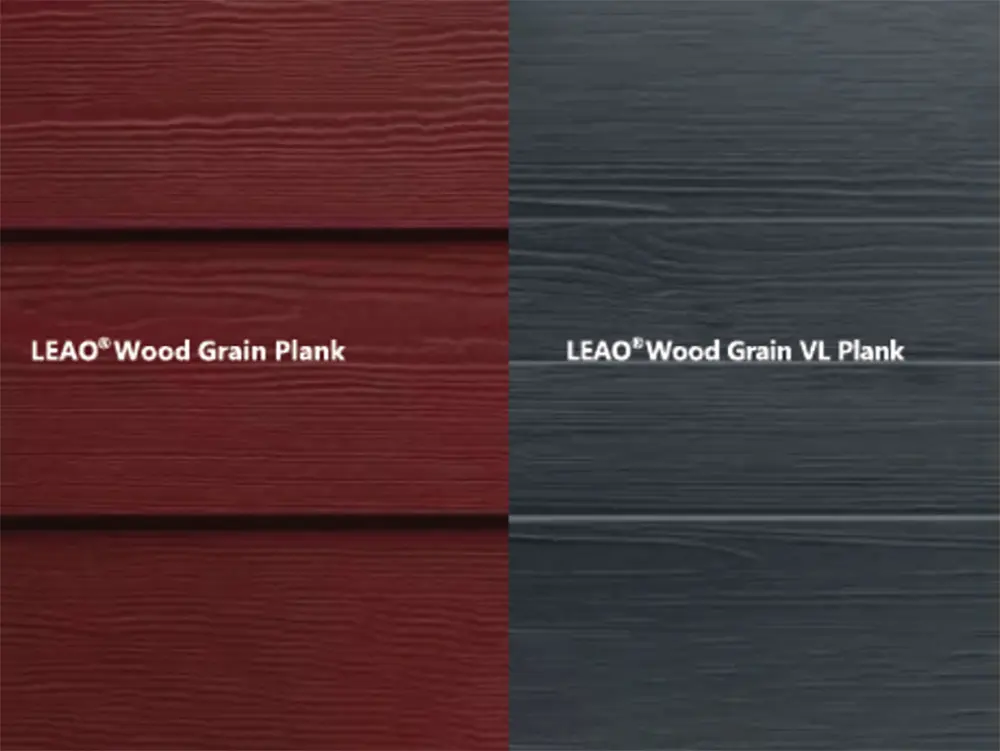 LEAO® Wood Grain Plank
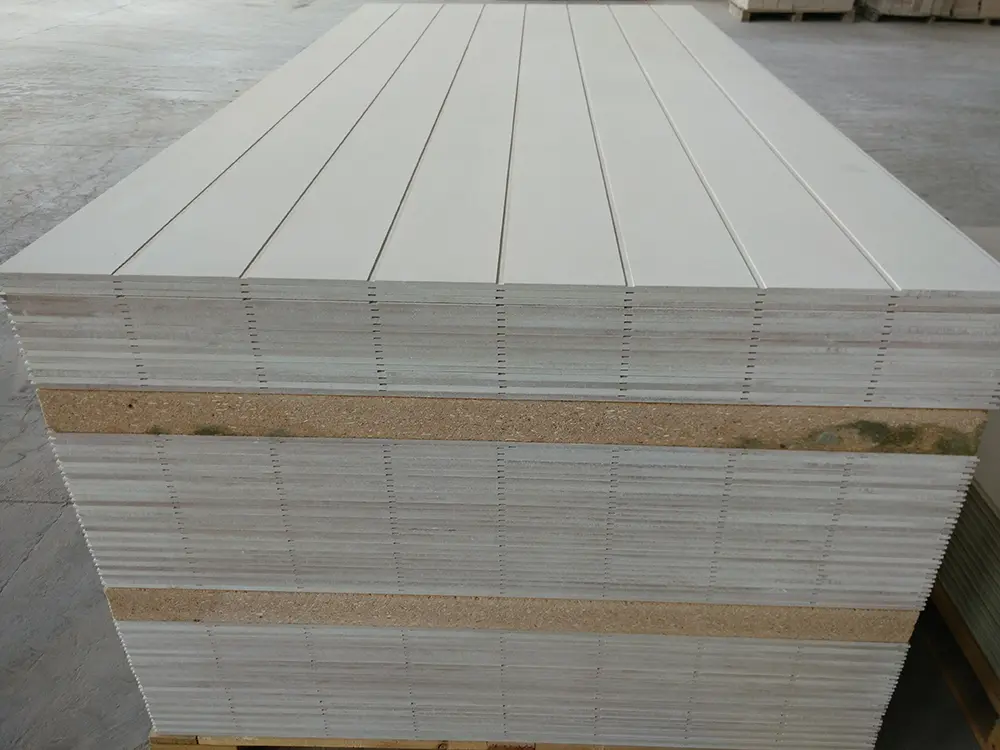 LEAO® Grooved Exterior Panel
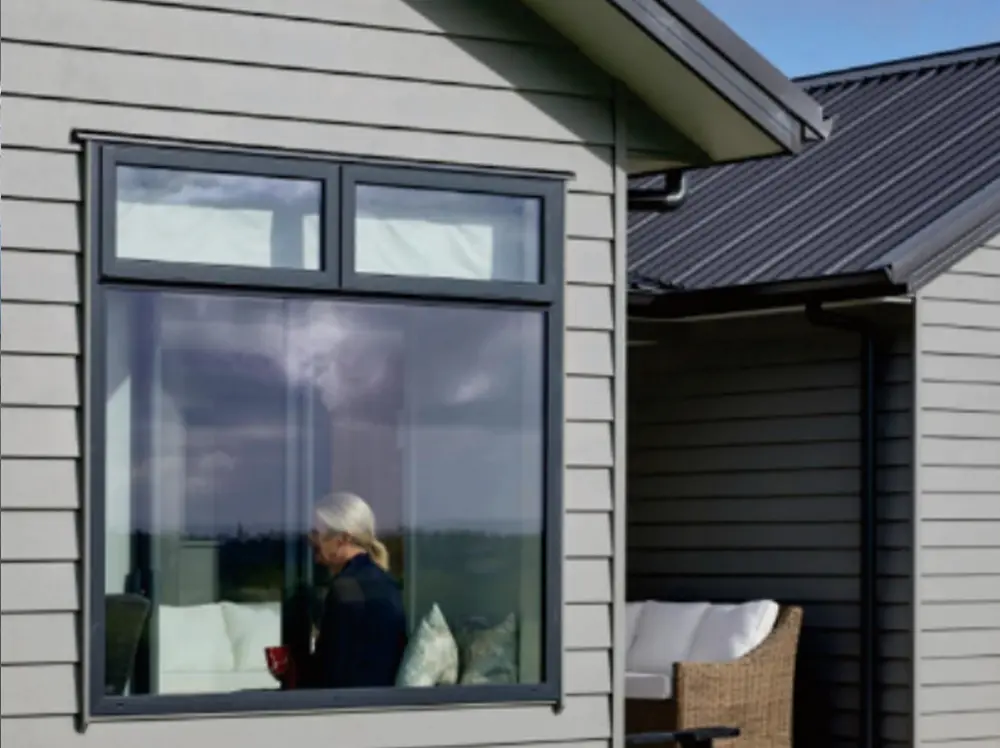 LEAO® Weatherboard
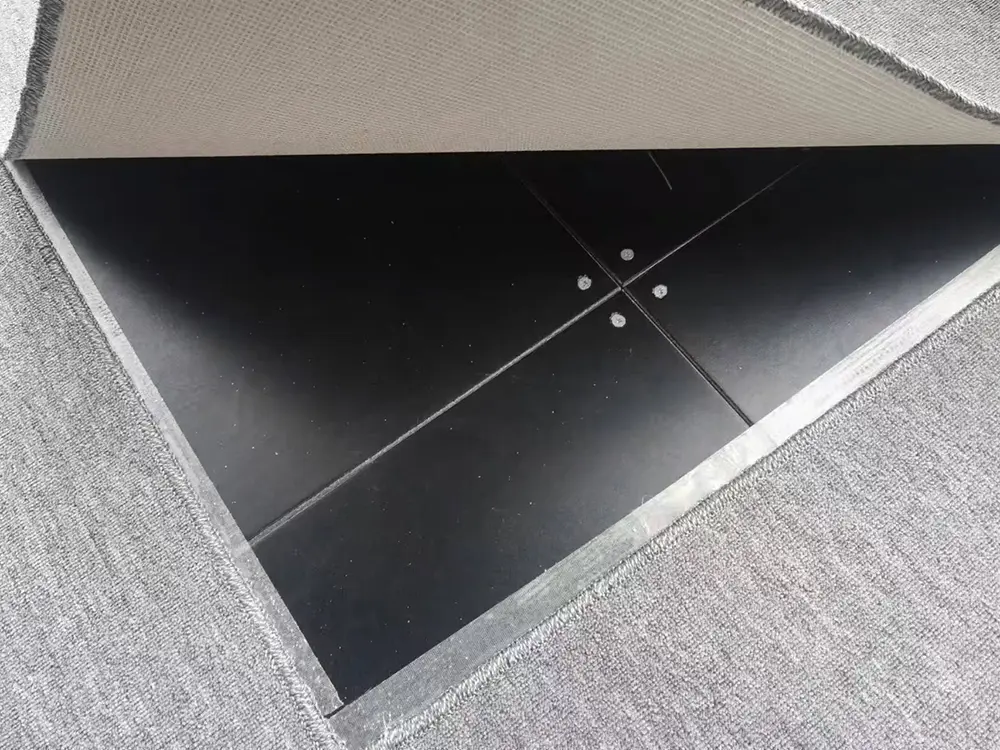 LEAO® Access Floors
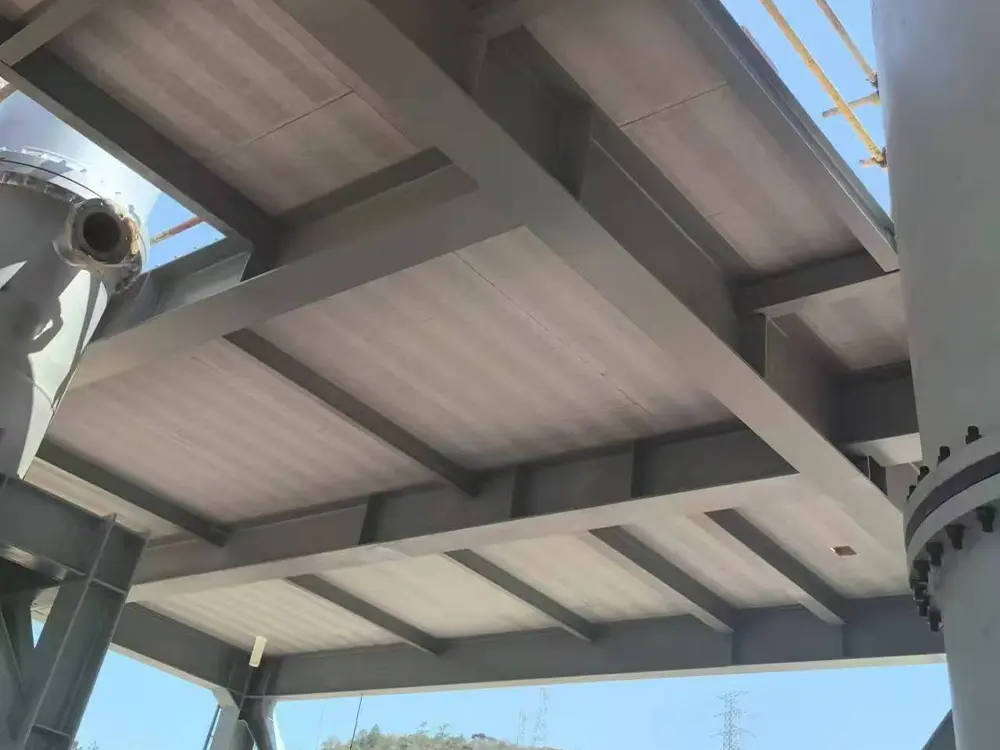 LEAO® Non-removable Formwork
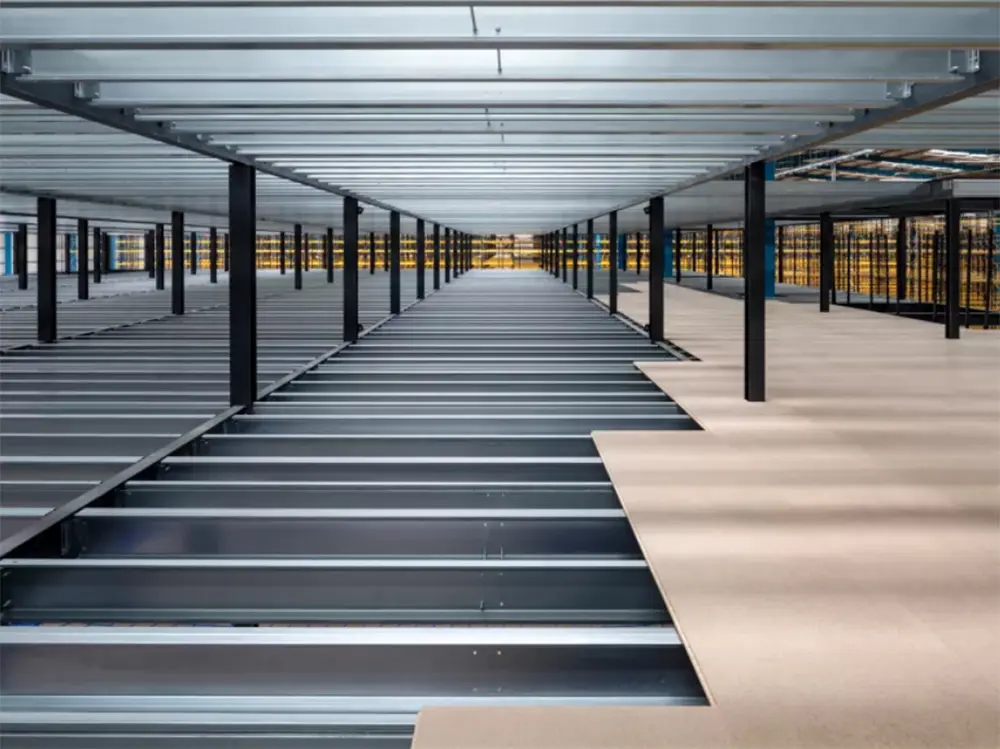 LEAO® Mezzanine Board
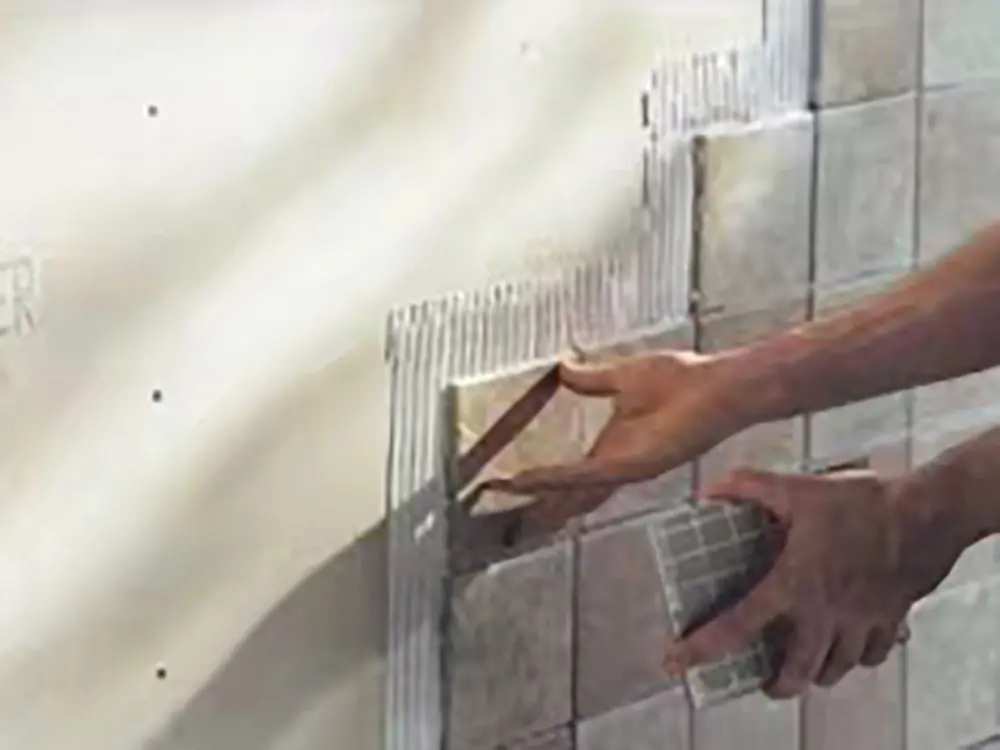 LEAO® Ceramic Tile Underlay
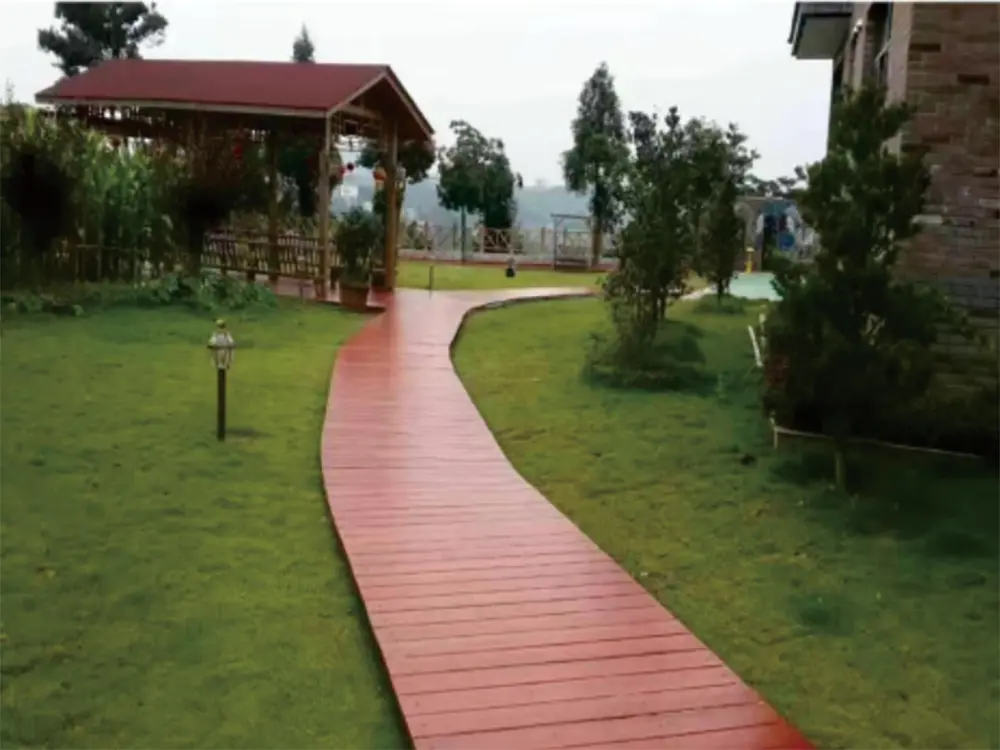 LEAO® Floor Plank
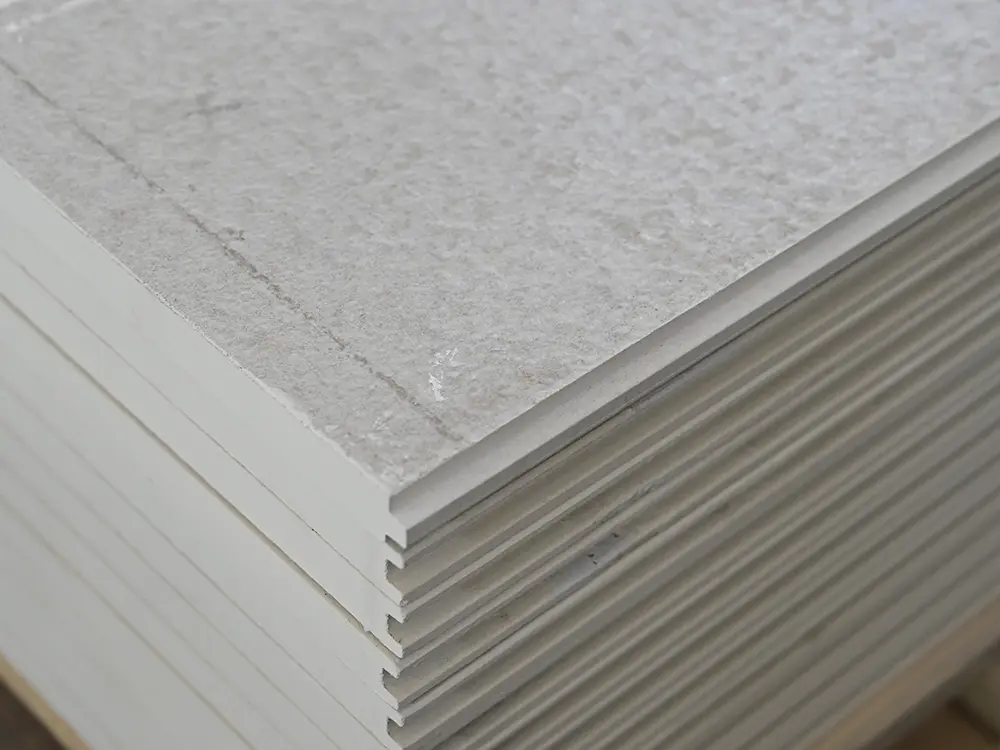 LEAO® Flooring
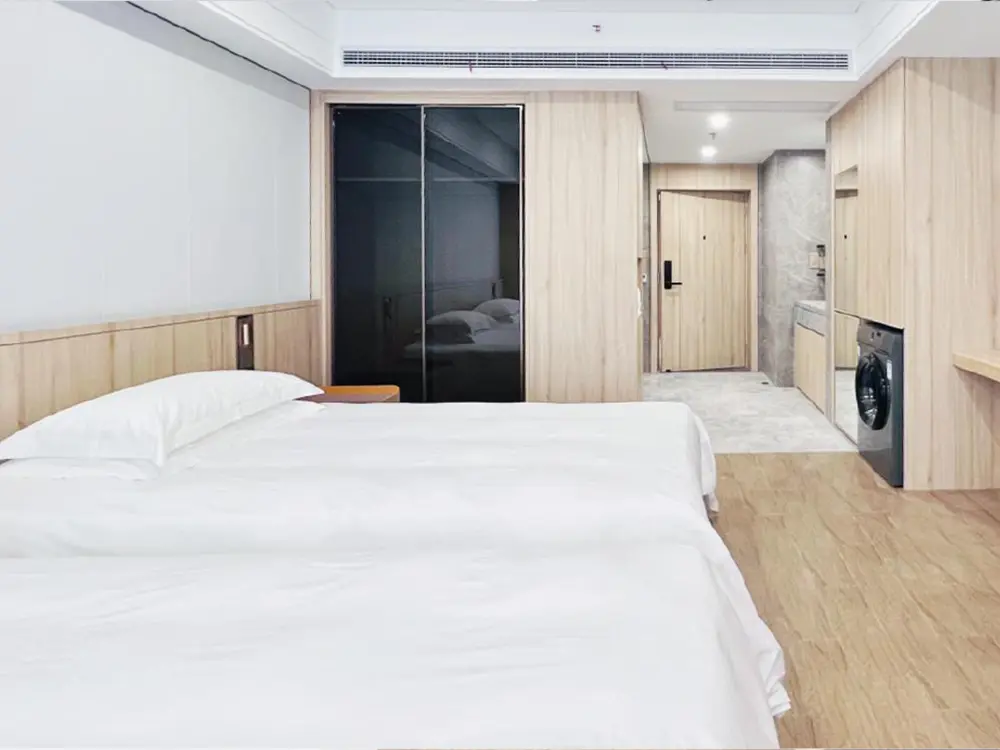 LEAO® Wood Style Decorative Panel
 LEAO® Stone Style Decorative Panel
 LEAO® Pure Style Decorative Panel