Inquiry
Form loading...

China Top 10 Calcium Silicate Board Manufacturers?

China’s calcium silicate board industry has become an important manufacturing base for fire protection, thermal insulation, and interior construction materials. Demand is rising across commercial buildings, industrial facilities, shipbuilding, and energy-saving renovation projects. However, product quality varies widely between suppliers. A polished factory website is not enough evidence.

Grand View Research and Fortune Business Insights identify construction and insulation as major growth areas for the broader calcium silicate market. Their forecasts also show continued expansion, although estimates differ because some reports include loose insulation, molded products, and boards together. This limitation matters. Buyers should compare like with like.

Material chemistry remains central to product performance. In Cement Chemistry, cement scientist H. F. W. Taylor wrote, “The calcium silicate hydrates are the most important products of cement hydration.” His statement concerns cement systems, not finished boards, but it explains why formulation, curing, density, and moisture control deserve careful attention.

This guide examines China’s top 10 Calcium Silicate Board manufacturers through practical criteria. These include production capacity, laboratory testing, fire ratings, dimensional stability, export experience, certifications, and project references. We also consider whether published specifications match real samples. Sometimes, they do not.

The ranking is not absolute. Regional strengths, product grades, and application requirements can change the result. A board designed for ceiling insulation may not suit a high-temperature industrial wall. Readers should verify test reports, technical data sheets, and batch consistency before purchasing. Small details often reveal the stronger supplier.
China Top 10 Calcium Silicate Board Manufacturers?

What Is Calcium Silicate Board and Where Is It Used?

China Top 10 Calcium Silicate Board Manufacturers?

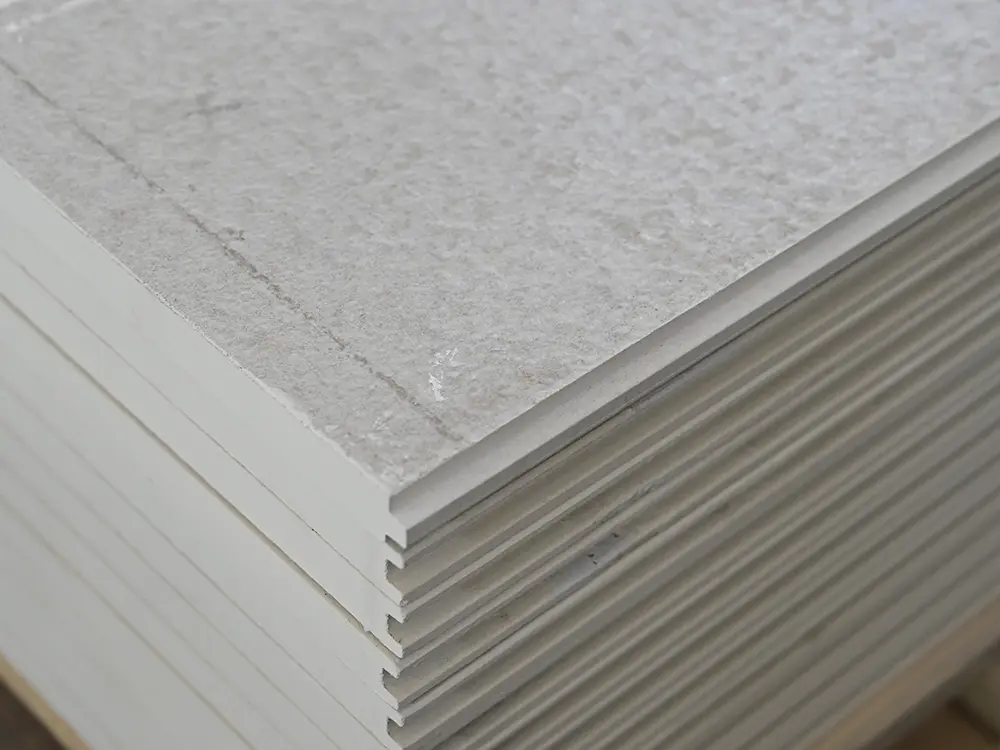
Calcium silicate board is a rigid insulation panel made from silica, lime, reinforcing fibers, and water. Manufacturers cure the mixture under pressure, creating a lightweight structure with fine pores. Those pores reduce heat transfer. Many products withstand continuous service temperatures above 600°C, although performance varies by density and formulation.

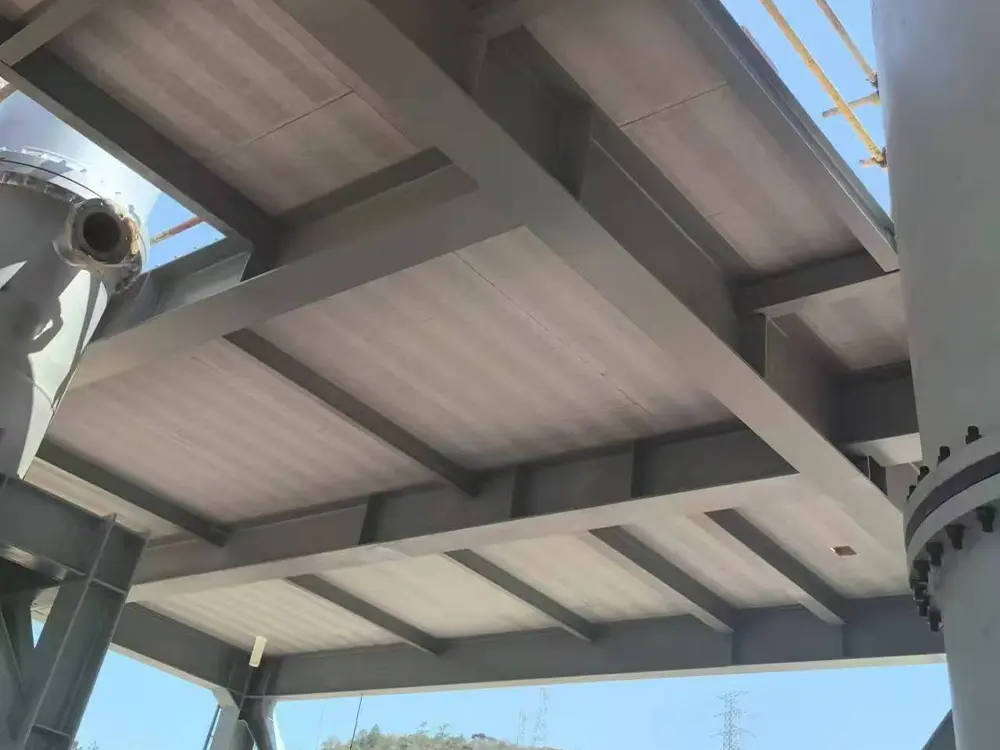
The board is used around boilers, furnaces, kilns, ducts, pipelines, and fire-rated wall systems. It can also protect steel structures and provide a smooth lining behind industrial equipment. According to MarketsandMarkets’ 2023 insulation market report, the global insulation market was valued at about USD 79.6 billion in 2023. It may reach USD 112.2 billion by 2028, supported by energy-efficiency requirements. Calcium silicate boards occupy a smaller, specialized segment within that market.

Check ASTM C533 or EN 14306 compliance before purchasing. Test data should include thermal conductivity, density, compressive strength, moisture behavior, and service temperature. Installation experience matters. Poorly sealed joints can create thermal bridges, even when the board itself performs well. The material resists heat, but it is not automatically waterproof. This detail is often overlooked. Cutting may also release dust, so controlled work practices remain necessary. Product selection should match the equipment, temperature cycles, humidity, and local fire requirements, rather than relying only on a catalogue rating.


How to Evaluate Calcium Silicate Board Manufacturers in China

China Top 10 Calcium Silicate Board Manufacturers?

How to Evaluate Calcium Silicate Board Manufacturers in China

Choosing among China’s calcium silicate board manufacturers requires more than comparing export prices. A 2024 market outlook from Grand View Research indicates mid-single-digit annual growth for the global calcium silicate market through 2030. This growth attracts new factories, but production experience still matters. Ask for factory registration, production-line photographs, batch records, and recent project references. A polished brochure proves very little.

Technical verification should follow recognized standards, including ASTM C533 or EN 14306 where applicable. Compare thermal conductivity at the same mean temperature, density, thickness, and moisture condition. Typical boards may show conductivity near 0.05–0.08 W/m·K, but test conditions can change the result sharply. Request reports from an accredited laboratory, not only internal sheets. Check flexural strength, dimensional tolerance, water absorption, fire performance, and screw-holding behavior. Small differences become obvious after cutting.

Inspect the factory if possible. Look for controlled mixing, uniform curing chambers, calibrated testing equipment, and covered storage. Moisture damage can begin before shipment. I would also order samples from separate batches. One excellent sample may be luck. Ask the supplier to repeat testing after conditioning and aging. This step costs time, yet it exposes unstable density or weak edges. Some buyers focus too heavily on price; that is understandable, but not always wise. A lower quotation can conceal higher waste, replacement, and installation costs. Supplier evaluation should remain evidence-based, even when the first impression feels convincing.

China Top 10 Calcium Silicate Board Manufacturers? How to Evaluate Manufacturers in China

A supplier should be evaluated through measurable product, quality, production, and service criteria rather than company visibility alone.

The chart presents a practical procurement weighting model. Product compliance and test documentation receive the highest weight because calcium silicate board performance should be verified through applicable standards, technical datasheets, and independent test reports. The weighting is a purchasing framework, not a ranking or market-share measurement.

China’s Top 10 Calcium Silicate Board Manufacturers

China’s Top 10 Calcium Silicate Board Manufacturers

China’s calcium silicate board sector is expanding with construction, industrial insulation, and fire-resistant interior systems. A 2024 industry assessment estimates the global calcium silicate market at over USD 2 billion, with Asia-Pacific holding the largest regional share. China remains a major production base because of its raw-material supply, processing capacity, and export infrastructure.

A credible top-ten list should examine more than factory size. Buyers should verify board density, thermal conductivity, moisture resistance, dimensional stability, and asbestos-free test results. ISO 9001 systems, EN 13501 fire classifications, and ASTM C533 testing can support technical comparison.

The 2024 Global Insulation Market Report identifies energy efficiency and stricter building standards as key demand drivers. Factory audits also matter. They reveal cutting accuracy, curing conditions, packaging quality, and actual production consistency.

Public capacity figures are not always comparable. Some manufacturers report annual design capacity, while others disclose completed orders. This makes rankings imperfect. I would also review third-party laboratory reports, export records, and project references before selecting China’s top ten suppliers.

A strong manufacturer should provide samples with traceable specifications, not only attractive brochures. Small differences in density can affect handling, fire performance, and installation costs. That detail is easy to miss.

Key Differences in Products, Technology, and Production Capacity

China Top 10 Calcium Silicate Board Manufacturers?

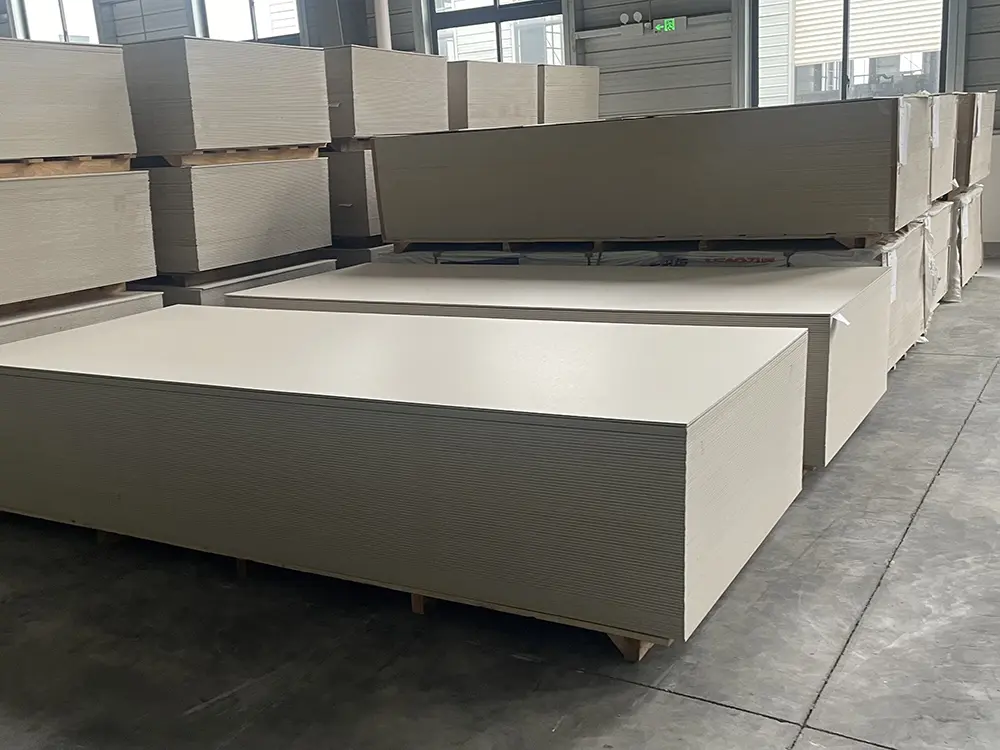
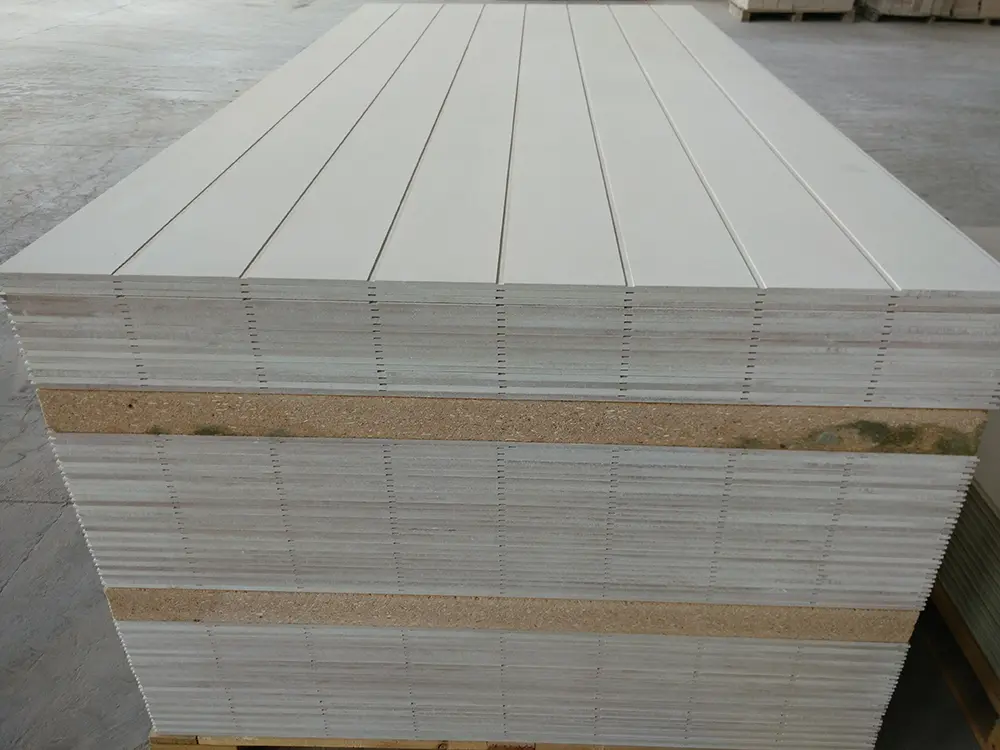
Calcium silicate board manufacturers differ sharply in product design. Some produce lightweight boards for ceilings and partitions. Others focus on dense boards for fire protection and industrial insulation. Board density affects strength, weight, cutting behavior, and thermal performance. Thickness options also matter on real construction sites. A 6-millimeter board handles differently from a 20-millimeter panel. Small differences matter.

Production technology creates another clear gap. Modern lines control slurry mixing, molding pressure, autoclaving temperature, and drying time. These controls improve dimensional stability and reduce edge damage. Experienced buyers should check test reports, moisture behavior, flexural strength, and thermal conductivity. A polished sample is not enough. Ask for batch records and independent laboratory results. Some suppliers provide impressive figures, but testing conditions may differ. That deserves careful review.

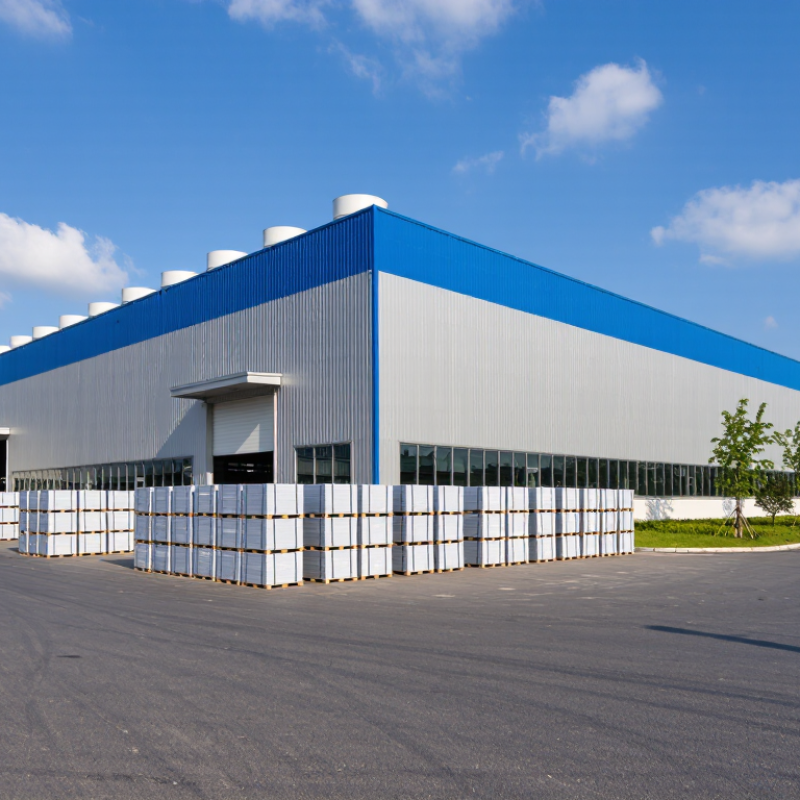
Production capacity involves more than factory size. Reliable manufacturers maintain stable raw material supplies, reserve drying space, and inspect boards throughout production. Large output can support repeated orders, yet it may reduce flexibility for custom dimensions. Smaller facilities may offer closer technical communication, but delivery risks can increase during peak demand. Factory visits reveal practical details, including dust control, warehouse protection, packaging quality, and rejected-board handling. No factory is perfect. I would also compare actual loading records with claimed monthly capacity, because advertised figures sometimes describe theoretical output rather than consistent production.

How to Choose the Right Chinese Manufacturer for Your Project

China Top 10 Calcium Silicate Board Manufacturers?

How to Choose the Right Chinese Manufacturer for Your Project

Choosing a Chinese calcium silicate board manufacturer requires more than comparing prices. Start with your project’s real conditions: board thickness, density, operating temperature, humidity, and installation method. A supplier should provide technical data, recent test reports, and clear production tolerances. Ask whether the factory controls raw materials, pressing, curing, drying, and final inspection internally. These details often affect performance more than a polished catalogue.

Request physical samples before signing a large order. Check the board’s edges, flatness, surface hardness, and cutting behavior. Place one sample in a humid area, if suitable for your project, and inspect it after several days. Ask for batch records, packaging photos, loading procedures, and an inspection plan. A reliable manufacturer should explain defects openly, not only show perfect samples. Confirm lead times with a written production schedule. Small details matter.

I once focused too heavily on unit price and overlooked packaging strength. Several damaged edges later, the saving looked less impressive. That mistake still influences my supplier reviews. Visit the factory when possible, or arrange an independent inspection before shipment. Verify export experience, communication speed, warranty terms, and replacement procedures. No manufacturer is flawless, and vague answers deserve careful questions. Choose the partner that can document its process and adapt specifications without making promises it cannot support.