10 Essential Tips for Choosing Fiber Cement Trim Board
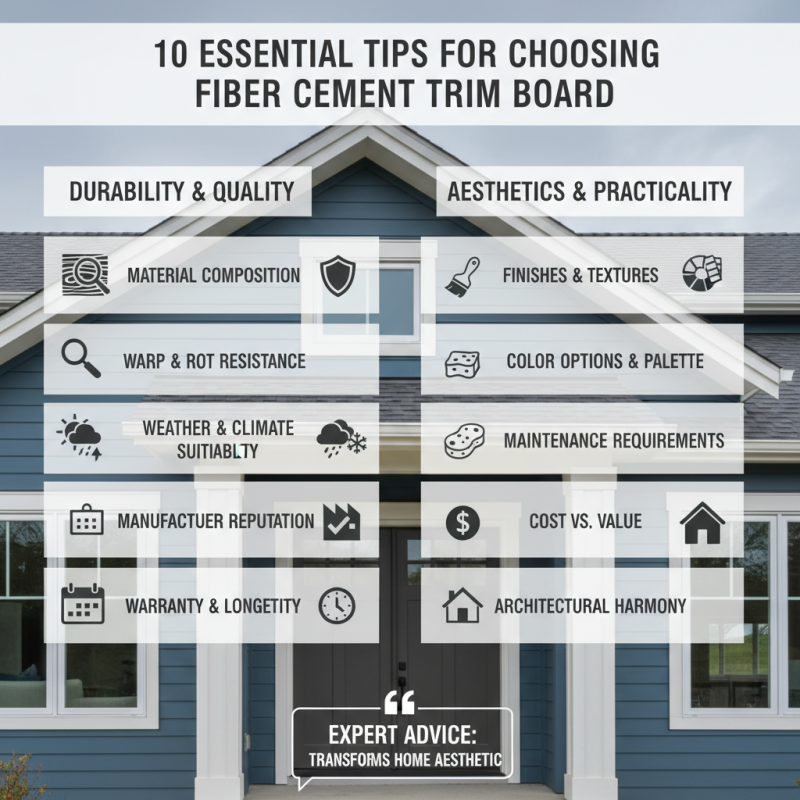
When selecting a Fiber Cement Trim Board for your home, understanding the options is crucial. Mike Anderson, a leading expert in construction materials, once said, "Choosing the right trim board transforms the entire aesthetic of a home." Fiber Cement Trim Boards provide durability and style, but the selection process can be overwhelming.
The variety of finishes and colors makes your choice more complex. Quality matters, as inferior boards may warp over time. It’s vital to consider the climate and environment where the trim will be installed. Expert advice can simplify this journey. Think about maintenance needs as well. A relaxed approach could lead to costly mistakes.
Evaluating your options thoroughly is essential. Not all Fiber Cement Trim Boards are created equal. Researching manufacturers and asking for samples can be beneficial. While it’s tempting to prioritize price, quality should come first. Balancing aesthetics with function is key. Choosing the right trim can enhance your home's appeal significantly.
Essential Factors to Consider When Selecting Fiber Cement Trim Board
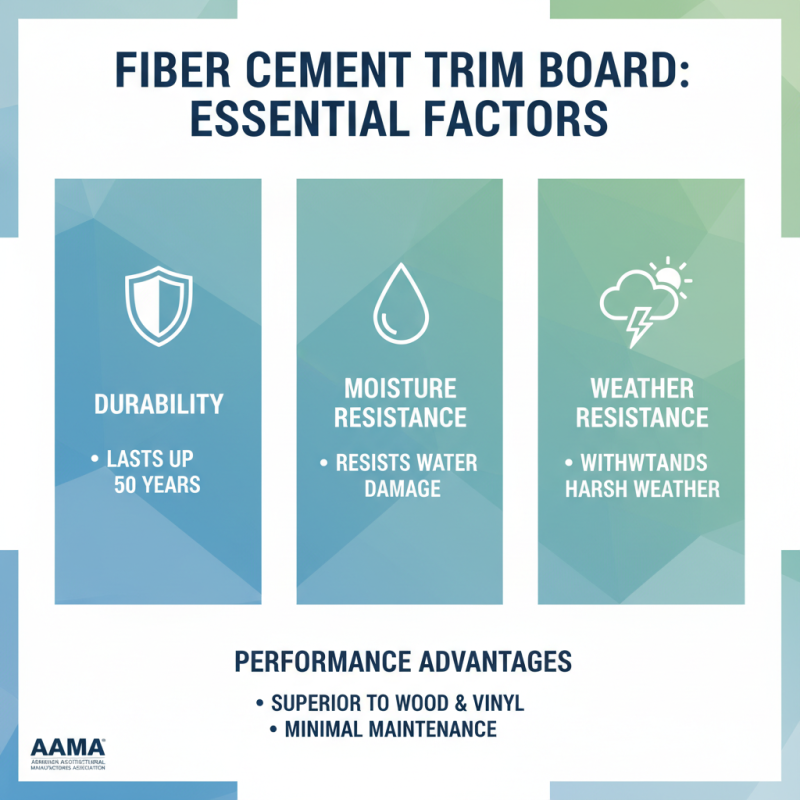
When selecting fiber cement trim board, consider several essential factors. The material's durability, resistance to moisture, and ability to withstand harsh weather conditions are critical. According to the American Architectural Manufacturers Association, fiber cement offers outstanding performance compared to wood and vinyl. It can last up to 50 years with minimal maintenance.
Another important factor is the versatility of design. Fiber cement trim boards can mimic wood and other materials, providing aesthetic options. This versatility allows for creative architectural solutions while ensuring durability. Think about the visual appeal that will complement your home’s style.
When making your choice, focus on sustainability. Reports from the Environmental Protection Agency reveal that eco-friendly materials can enhance your home's energy efficiency. Always check if the product has certifications for sustainability.
Tip: Always consider how the trim board interacts with other building materials. This can impact the overall longevity of your project. Review installation guidelines thoroughly. Great installation keeps moisture and pests at bay.
Tip: Look for options that offer warranties. A solid warranty reflects manufacturer confidence. It can help safeguard your investment over time.
Understanding the Different Types of Fiber Cement Trim Board Available
When selecting fiber cement trim boards, it's crucial to understand the materials available. Fiber cement trim comes in several types, each offering unique benefits. The most common types include smooth, textured, and wood-grain finishes. The choice often depends on the architectural style of your home. A smooth finish can complement modern designs, while textured options may suit rustic or traditional looks.
Some boards are pre-primed, while others come with factory-applied finishes. Pre-primed boards allow for easier customization. They provide reliable protection against moisture and weathering. Many homeowners prefer boards with a factory finish, as they offer longer-lasting durability. However, personal preferences play a vital role in the decision.
It’s also essential to consider the size and thickness of the trim. Thicker boards generally provide better resistance to warping and damage. However, they can be heavier and may require more effort during installation. The weight could be a concern for some DIY enthusiasts. Proper installation relies on selecting the right type for your project needs. Reflecting on these factors will lead to a more informed choice.
Evaluating Durability: Industry Standards and Lifespan of Fiber Cement Products
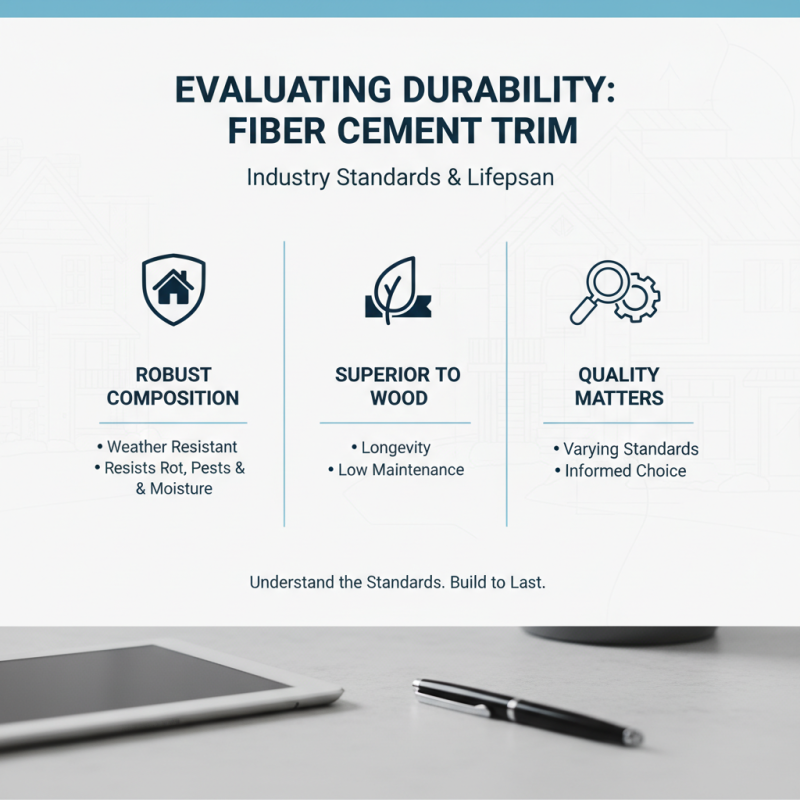
When considering fiber cement trim boards, one of the most crucial aspects to evaluate is durability. Fiber cement products are designed to withstand various weather conditions. They resist rot, pests, and moisture better than traditional wood. However, not all fiber cement boards are created equal. Understanding industry standards helps in making an informed choice.
Lifespan is another vital factor. Quality fiber cement trim boards can last decades, often with minimal maintenance. Yet, some lower-grade products may show wear sooner than expected. This discrepancy raises questions. Are you prioritizing initial cost over long-term value? Evaluating warranties can provide insight into manufacturer confidence in their products.
Physical performance should also be examined. Some boards may crack or fade under extreme conditions. Look for options with a proven track record. Analyzing reviews and case studies from trusted sources can reveal real-life experiences. It’s essential to weigh these facts carefully. After all, choosing the right fiber cement trim board directly impacts the integrity and aesthetics of your project.
Cost Analysis: Comparing Fiber Cement Trim Board with Other Materials
When evaluating fiber cement trim boards, cost plays a significant role in the decision-making process. Current market analyses indicate that fiber cement trim boards cost anywhere from $1.50 to $3.50 per linear foot, which positions them competitively against wood and vinyl options. According to industry data, while wood could range from $1.00 to $4.00 per linear foot, it often demands more maintenance in the long run. In contrast, fiber cement requires minimal upkeep, leading to cost savings over time.
Understanding these costs is crucial. One important tip is to consider the installation costs. Installing fiber cement may require specialized skills, which might increase the initial expenses. However, the longevity and durability of fiber cement boards can offset these costs through fewer repairs down the road.
Another essential point is the climate in your region. Fiber cement excels in harsh weather, providing a stable lifespan of up to 50 years. This durability translates into better value over time. When comparing options, remember to factor in long-term performance, especially in diverse climates. Total costs should consider not just purchase price but also maintenance, lifespan, and resilience against elements.
10 Essential Tips for Choosing Fiber Cement Trim Board - Cost Analysis: Comparing Fiber Cement Trim Board with Other Materials
| Material |
Cost per Linear Foot |
Durability (Years) |
Maintenance Level |
Resale Value |
| Fiber Cement |
$1.50 |
30+ |
Low |
High |
| Vinyl |
$0.70 |
20 |
Medium |
Medium |
| Wood |
$2.00 |
10-15 |
High |
Medium |
| Aluminum |
$1.80 |
40+ |
Low |
High |
Installation Tips and Best Practices for Fiber Cement Trim Board
Installing fiber cement trim board can enhance your home’s aesthetic and durability. Ensure you start with proper planning. Measure your areas accurately and account for waste. It’s wise to choose a day with mild weather for installation. Rain or extreme heat can affect the material’s integrity.
Use the right tools for cutting and fastening. A circular saw with a diamond blade works best for clean edges. Wear protective gear during the process; fiber cement dust can irritate the lungs. When securing the boards, leave a small gap between the trim and any adjacent surfaces. This allows for expansion and prevents moisture build-up.
Pay attention to seams and joints. Over time, they can be points of weakness if not handled correctly. Using caulk can help seal these areas effectively. However, it may need reapplication after certain years. Regular inspection is key to maintaining the trim’s condition. You might find cracks or peeling paint; address these issues promptly to extend its life. Remember, a thoughtful approach can lead to a more successful outcome.

 LEAO®Deco Ceiling
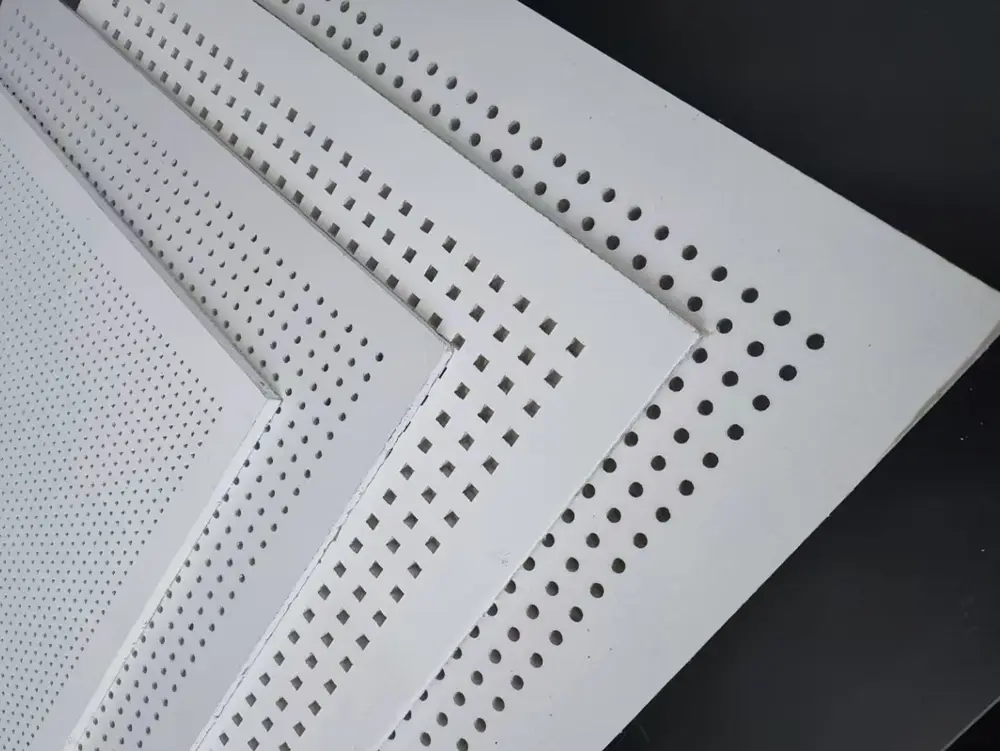 LEAO® Perforated Ceiling
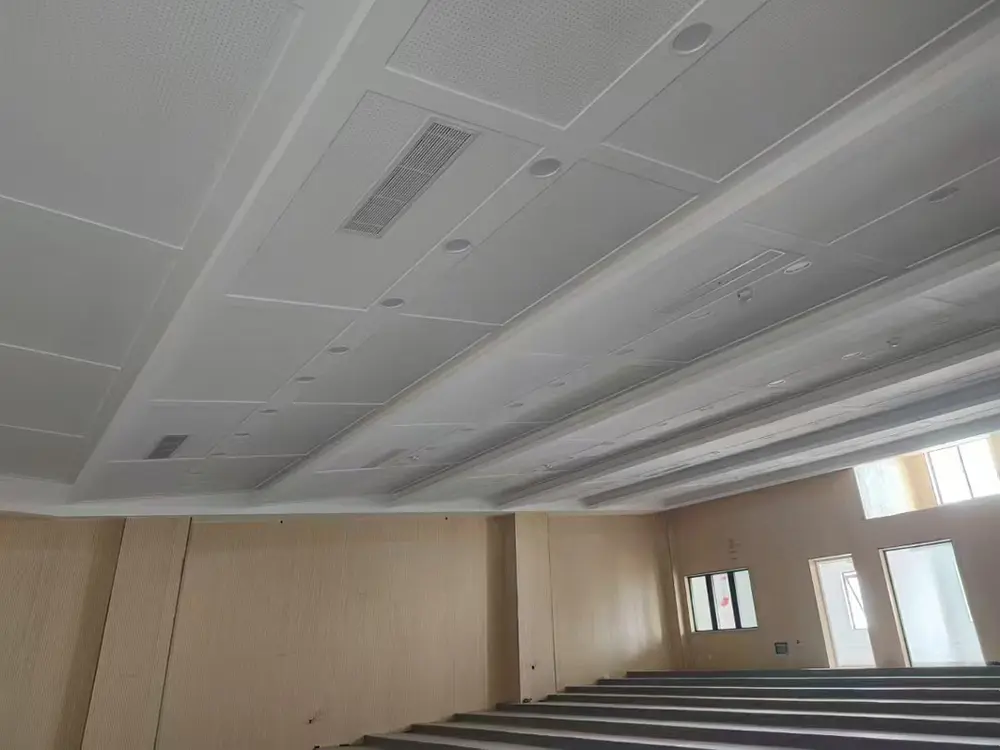 LEAO® Ceiling Board
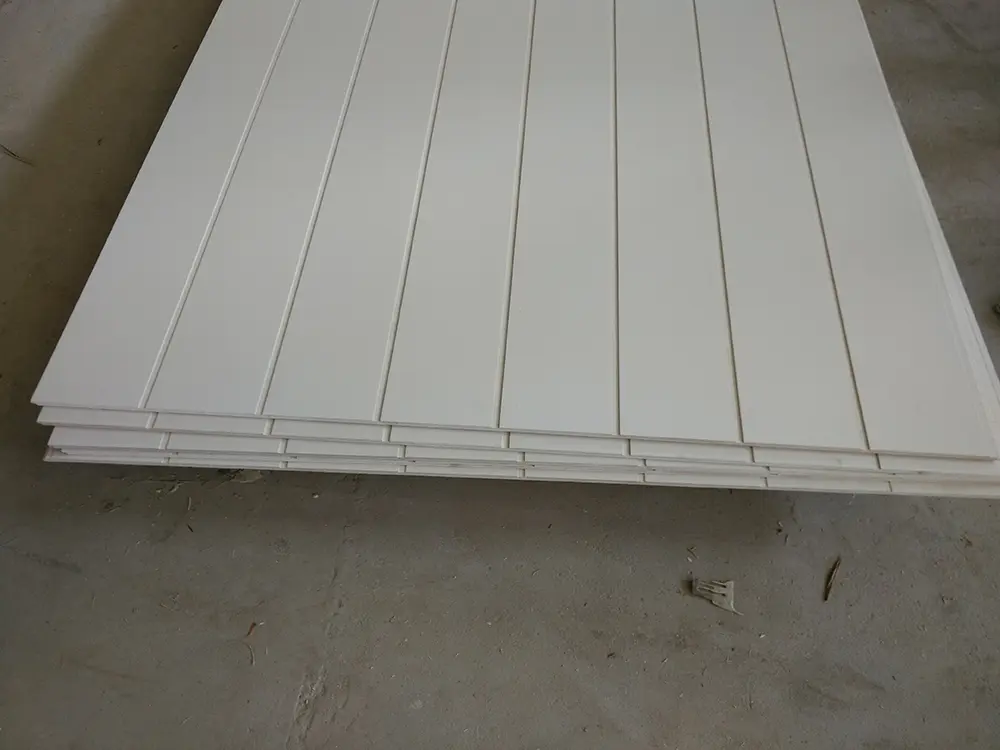 LEAO® Groove Interior Panel
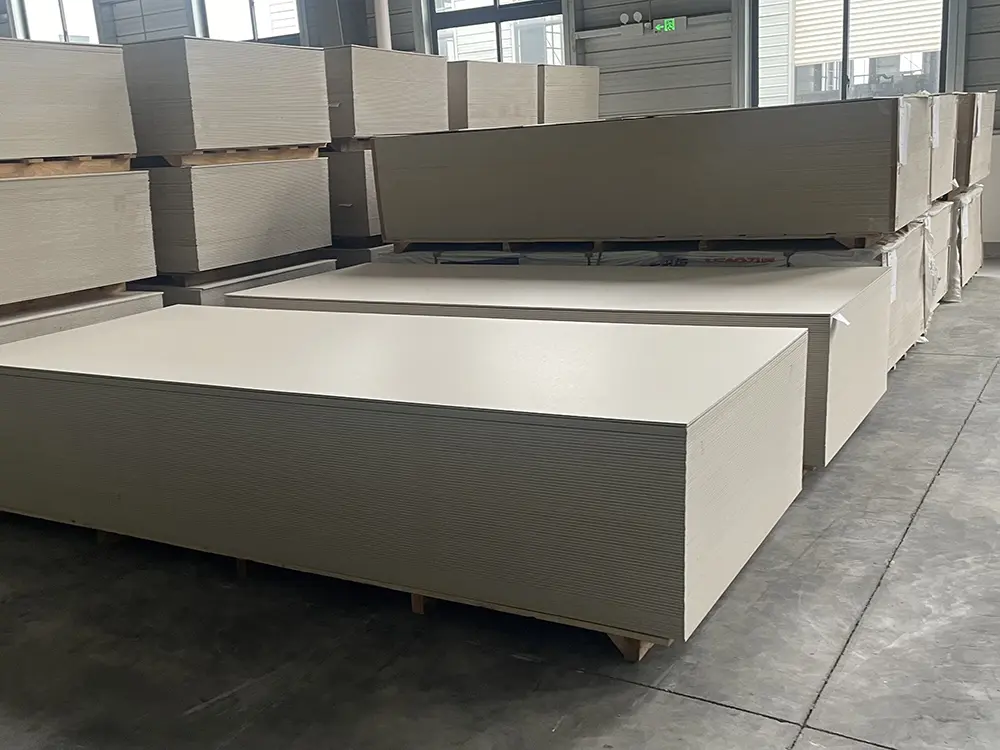 LEAO® Interior Board
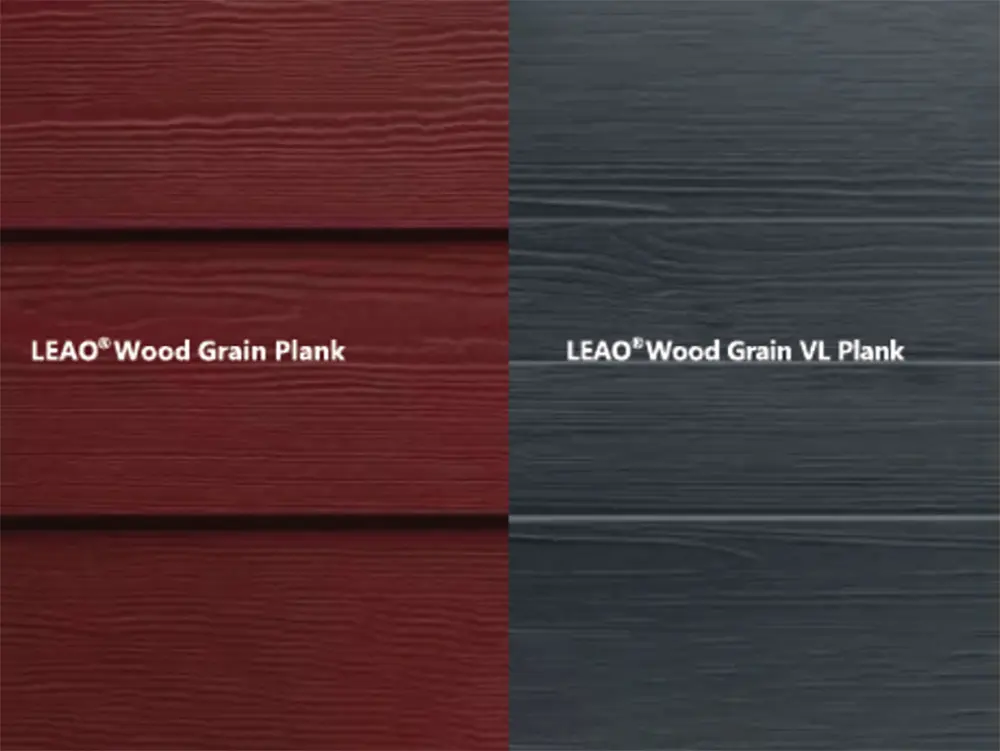 LEAO® Wood Grain Plank
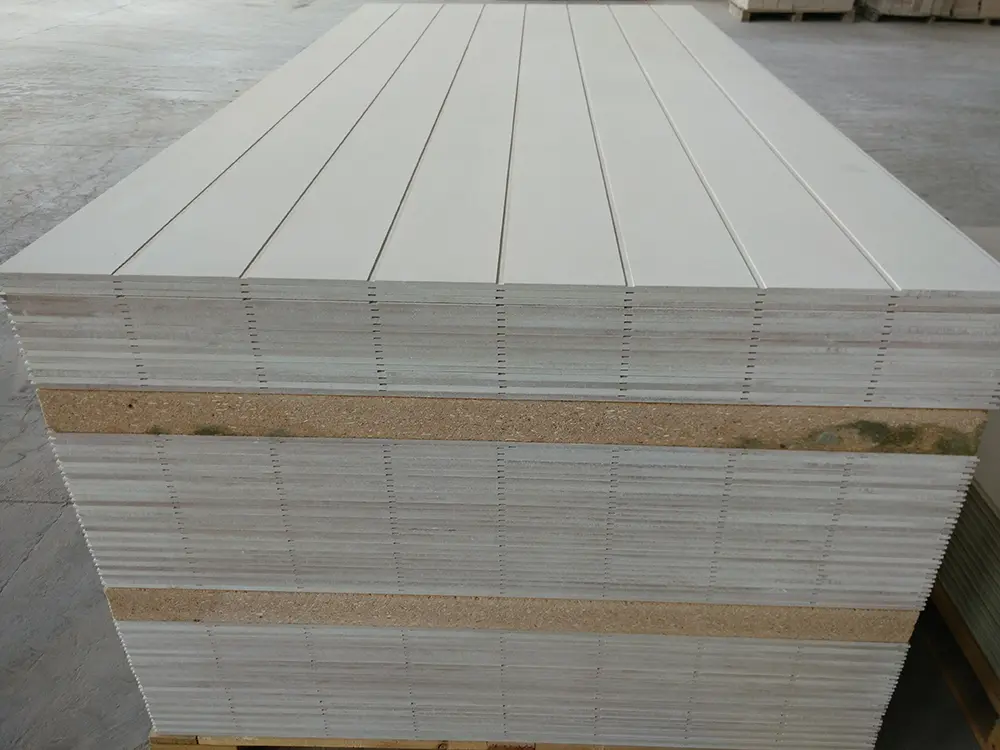 LEAO® Grooved Exterior Panel
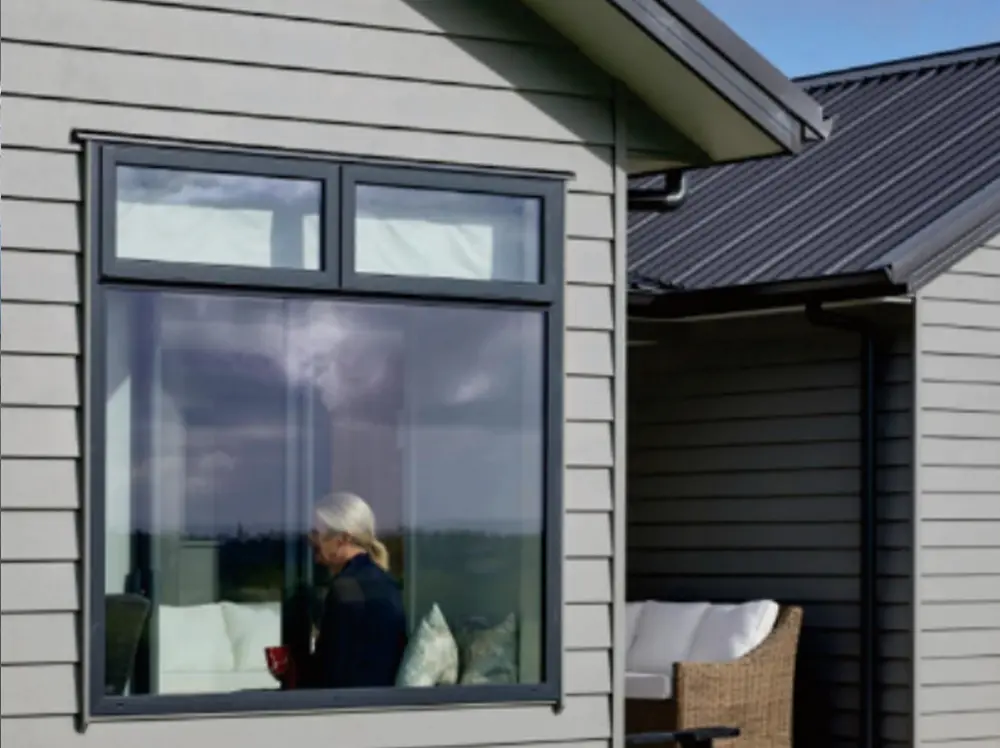 LEAO® Weatherboard
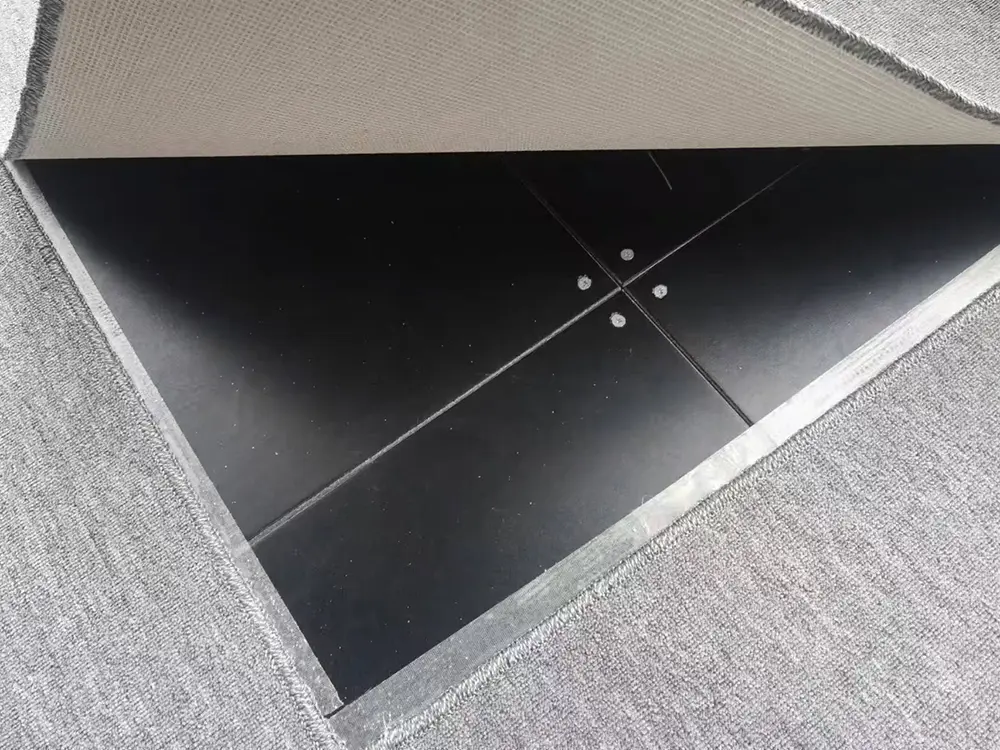 LEAO® Access Floors
 LEAO® Non-removable Formwork
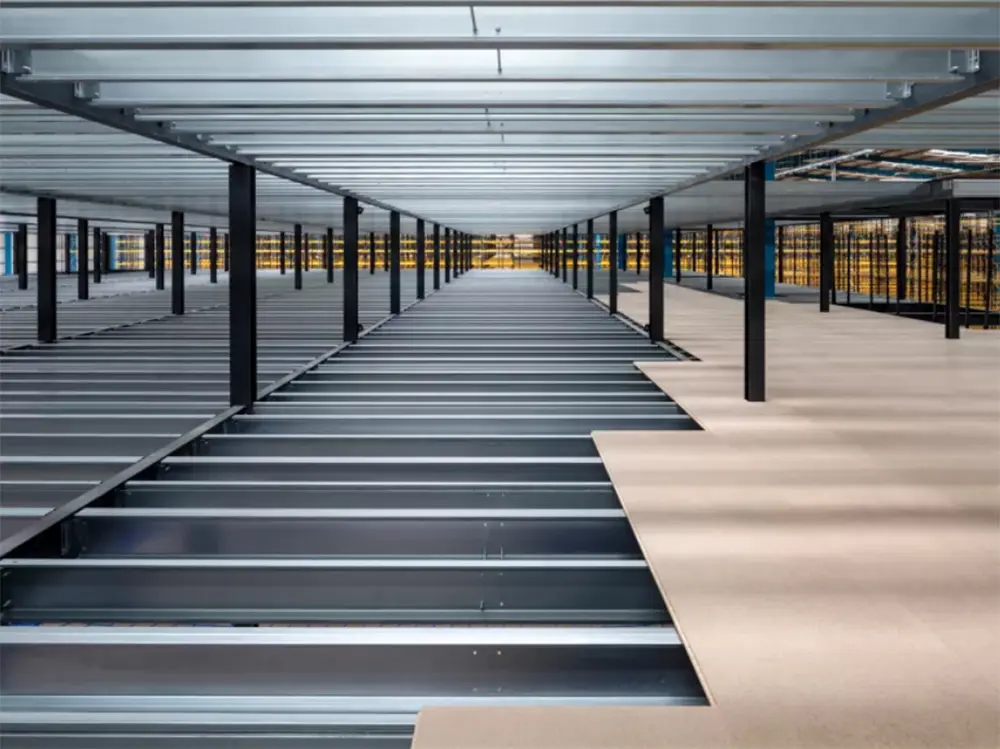 LEAO® Mezzanine Board
 LEAO® Ceramic Tile Underlay
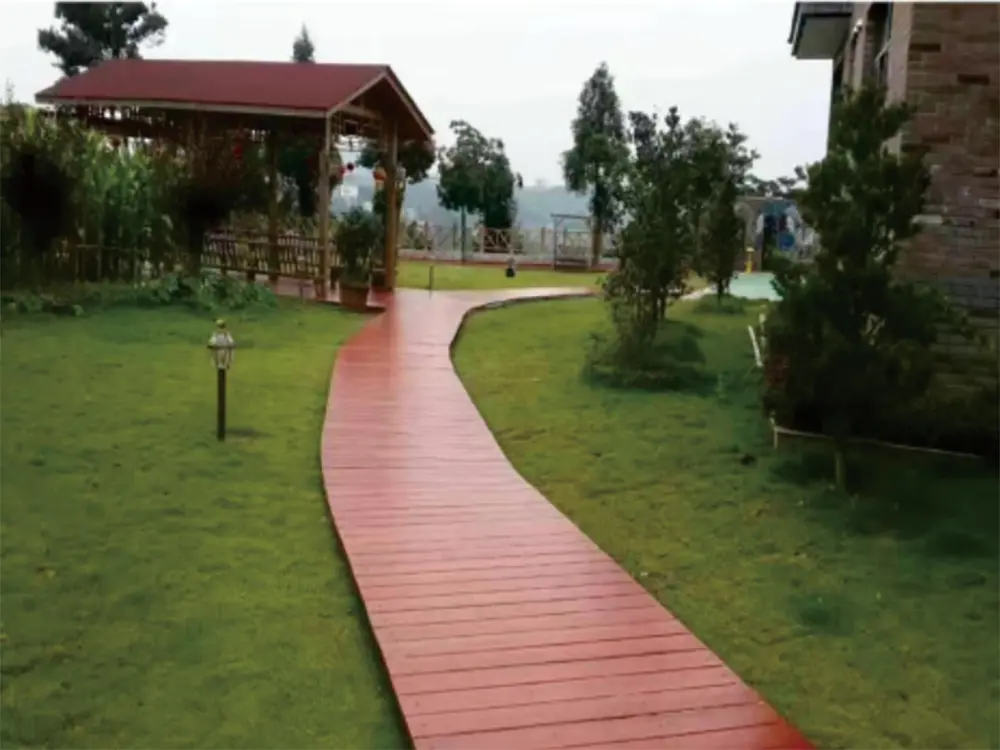 LEAO® Floor Plank
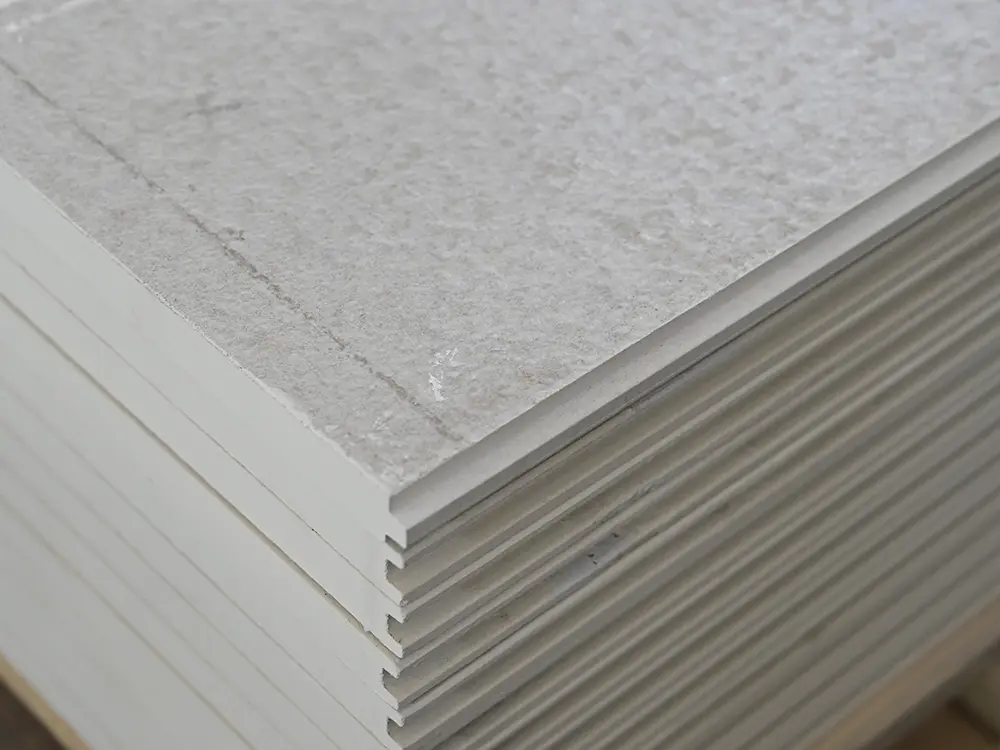 LEAO® Flooring
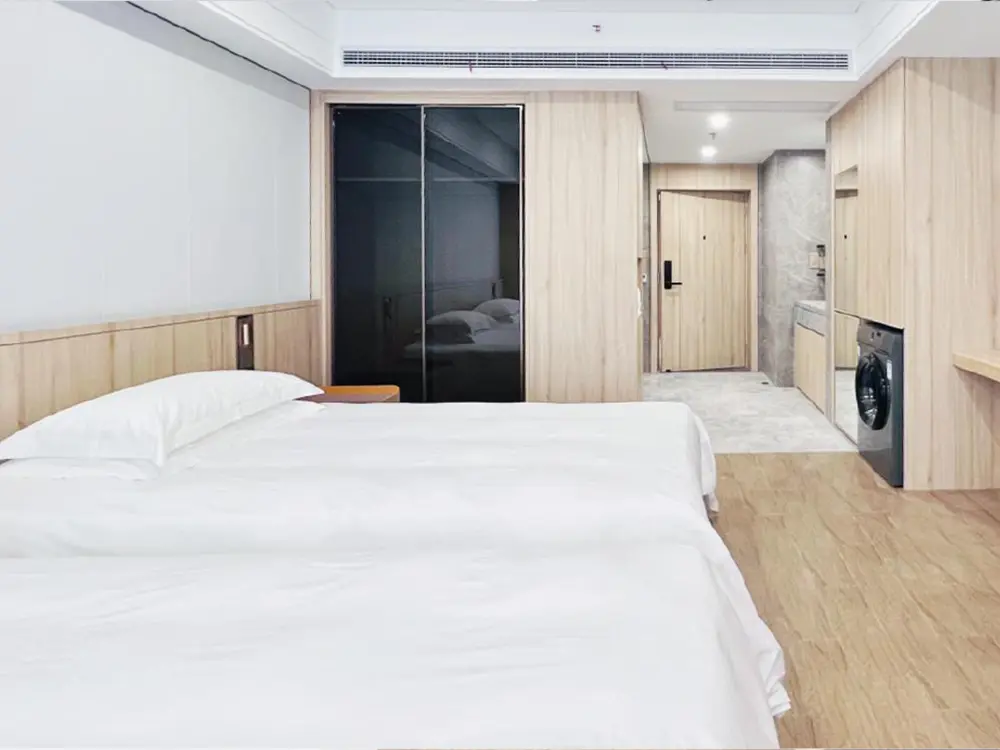 LEAO® Wood Style Decorative Panel
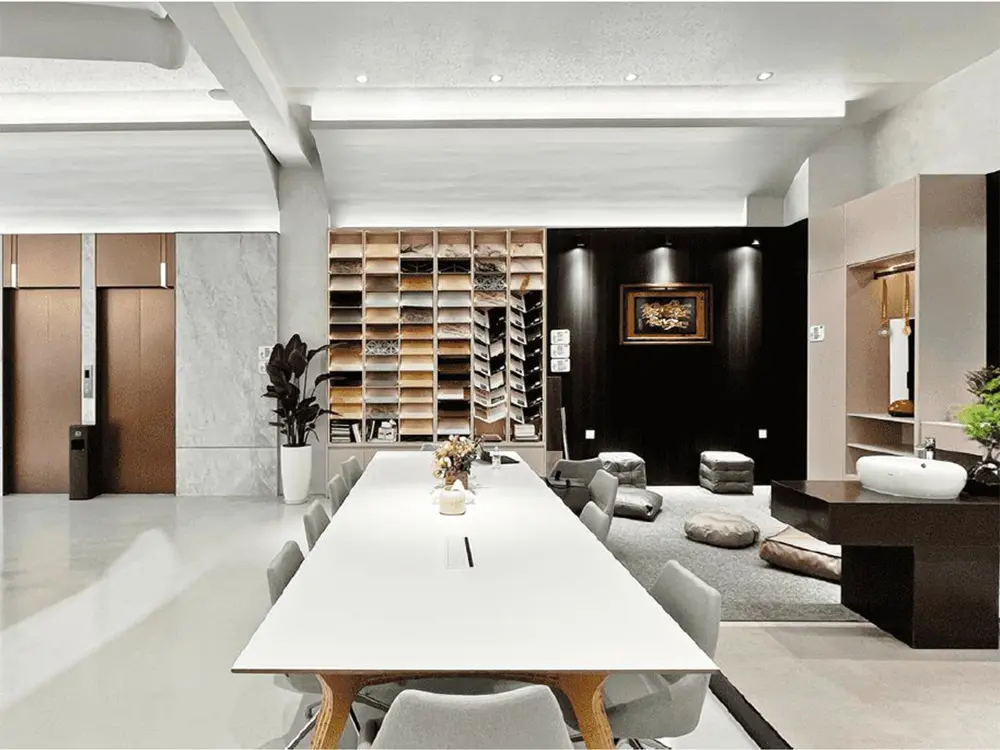 LEAO® Stone Style Decorative Panel
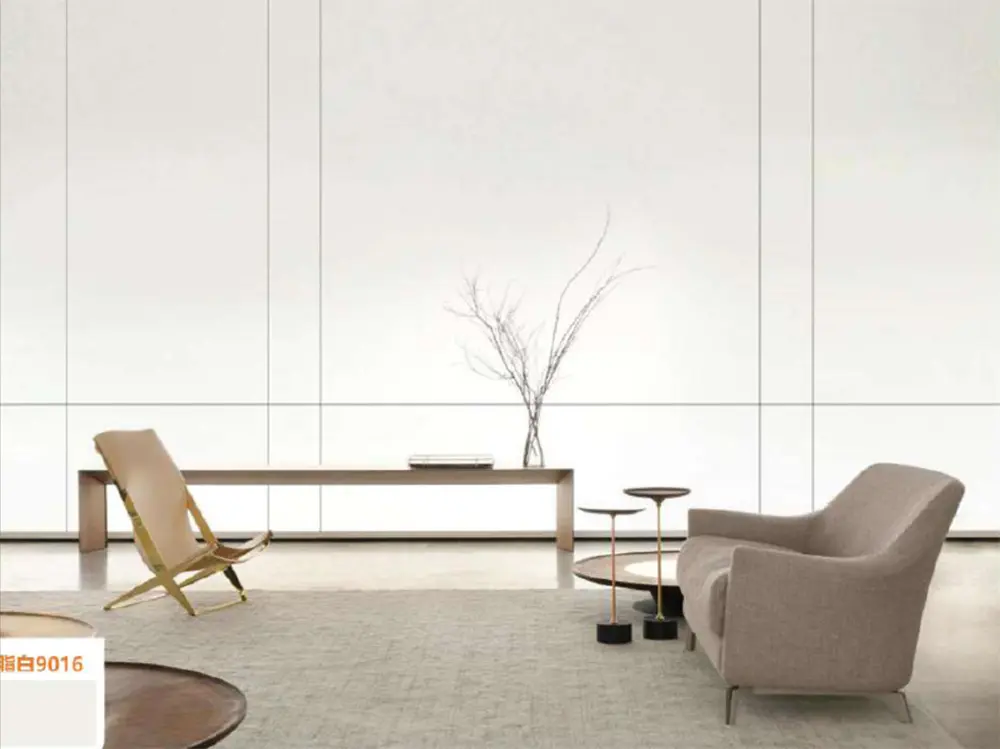 LEAO® Pure Style Decorative Panel