- Products
- About Us
- Download
- News
- Blog
- Contact Us
 LEAO®Deco Ceiling
 LEAO® Perforated Ceiling
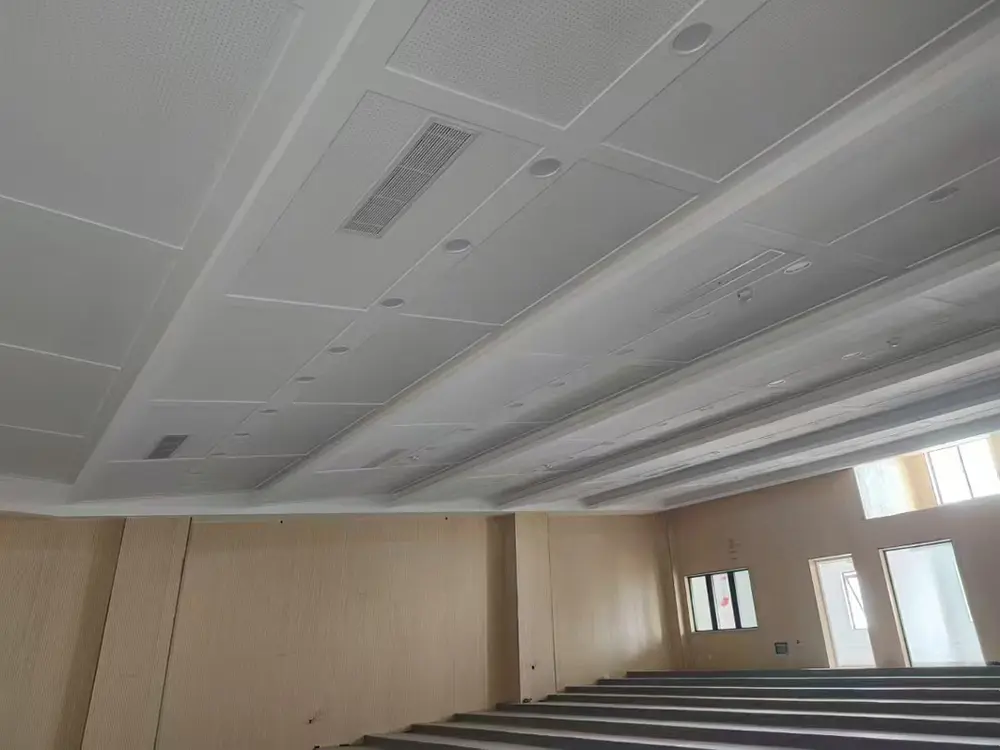 LEAO® Ceiling Board
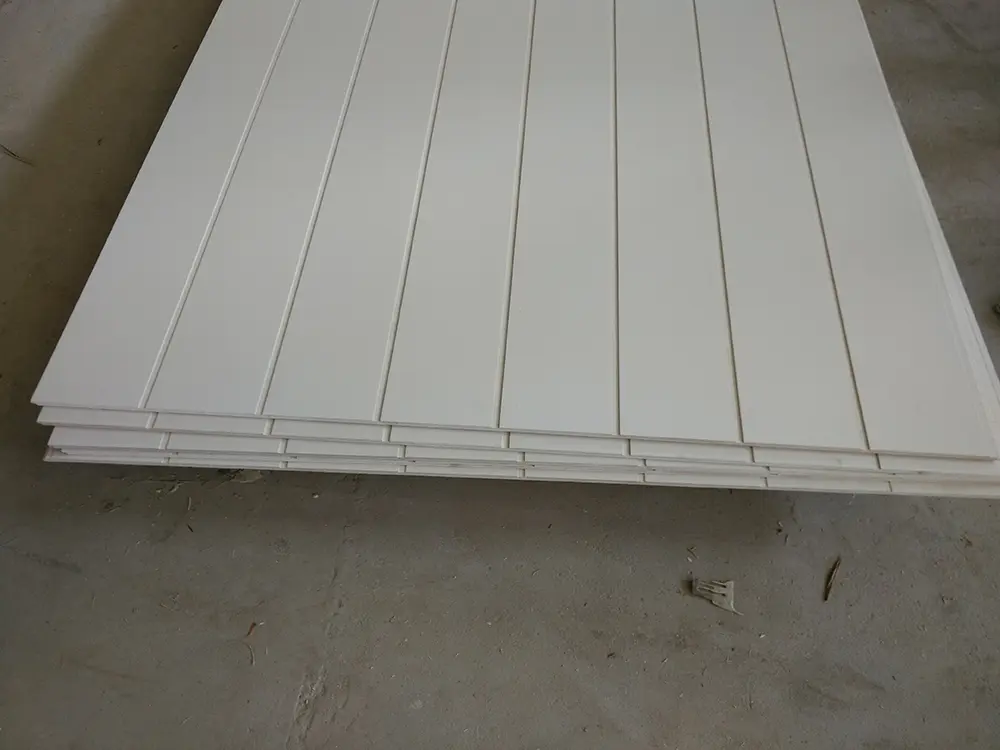 LEAO® Groove Interior Panel
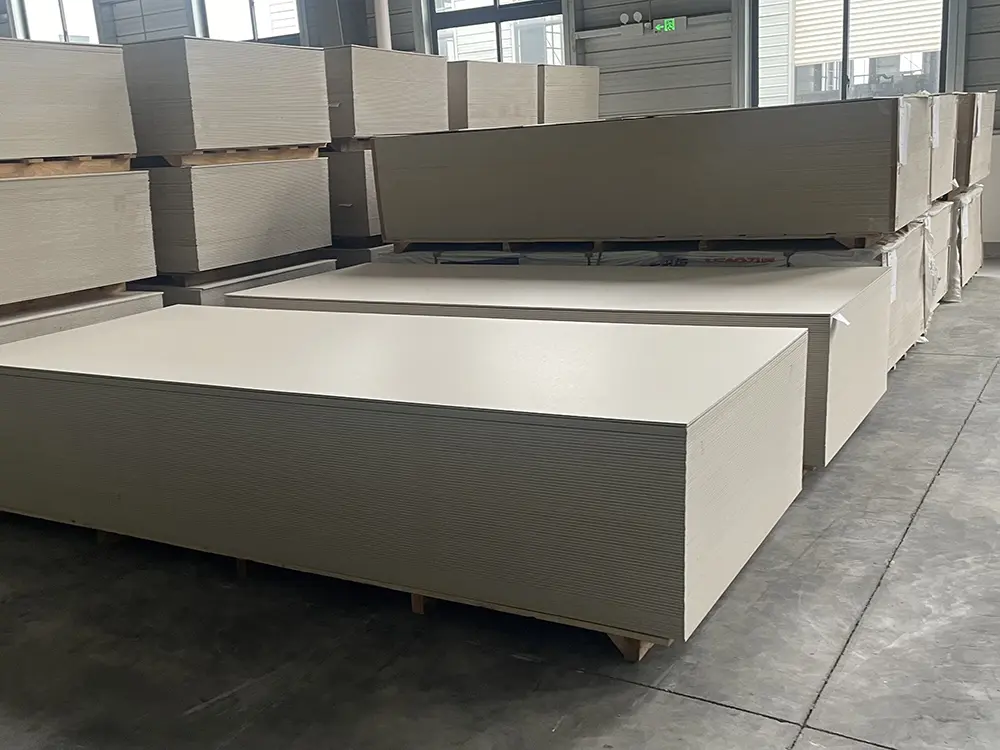 LEAO® Interior Board
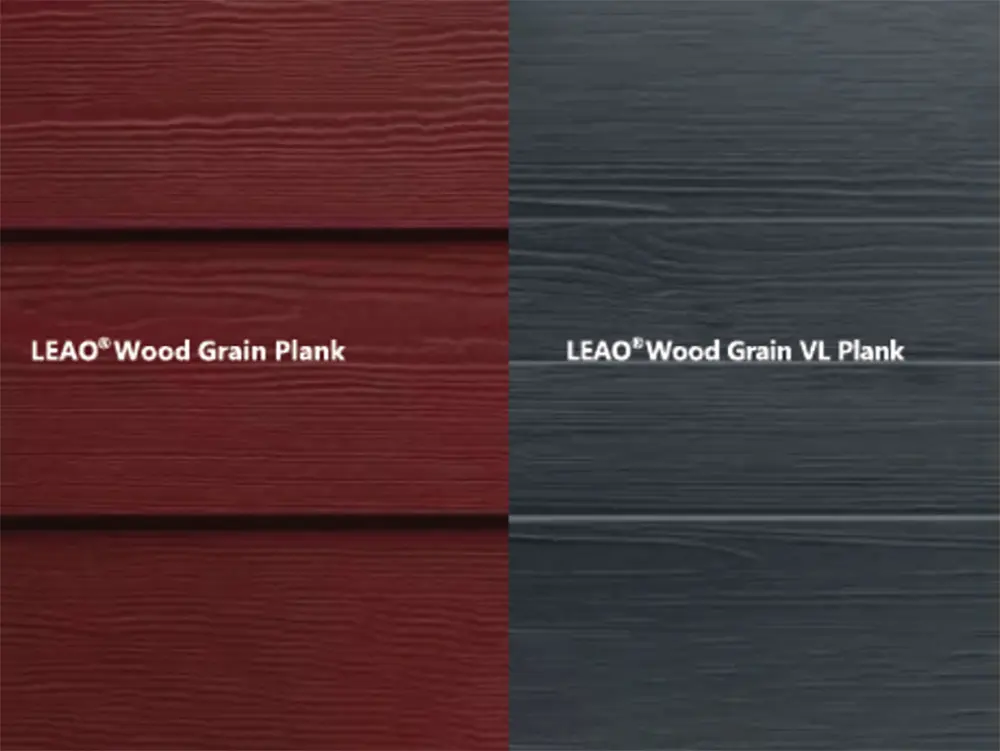 LEAO® Wood Grain Plank
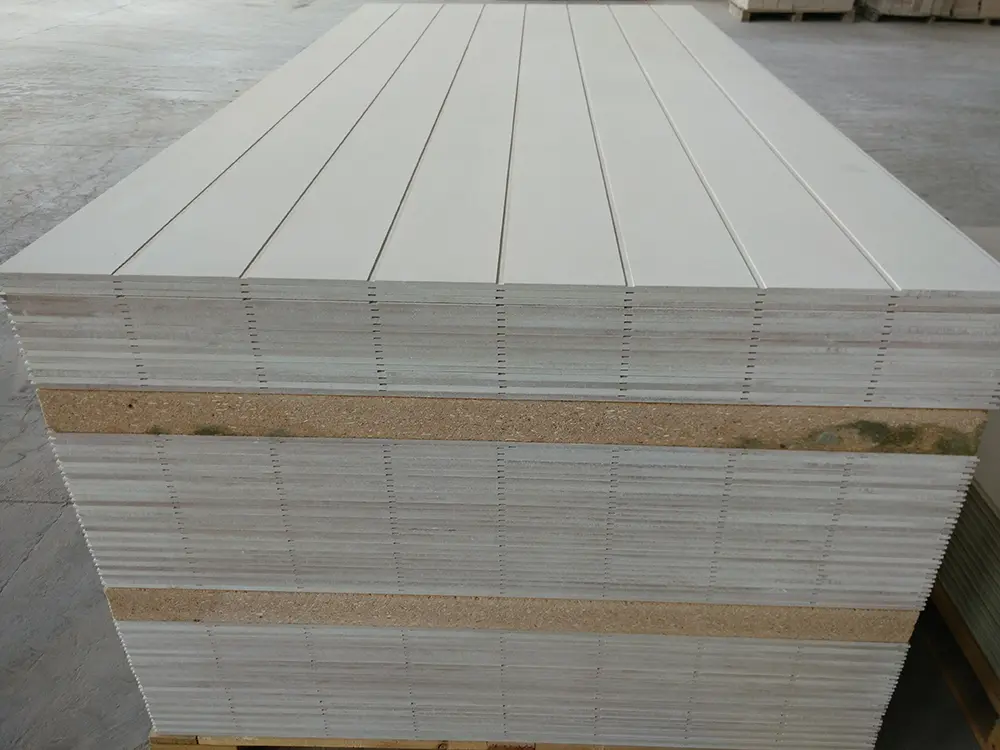 LEAO® Grooved Exterior Panel
 LEAO® Weatherboard
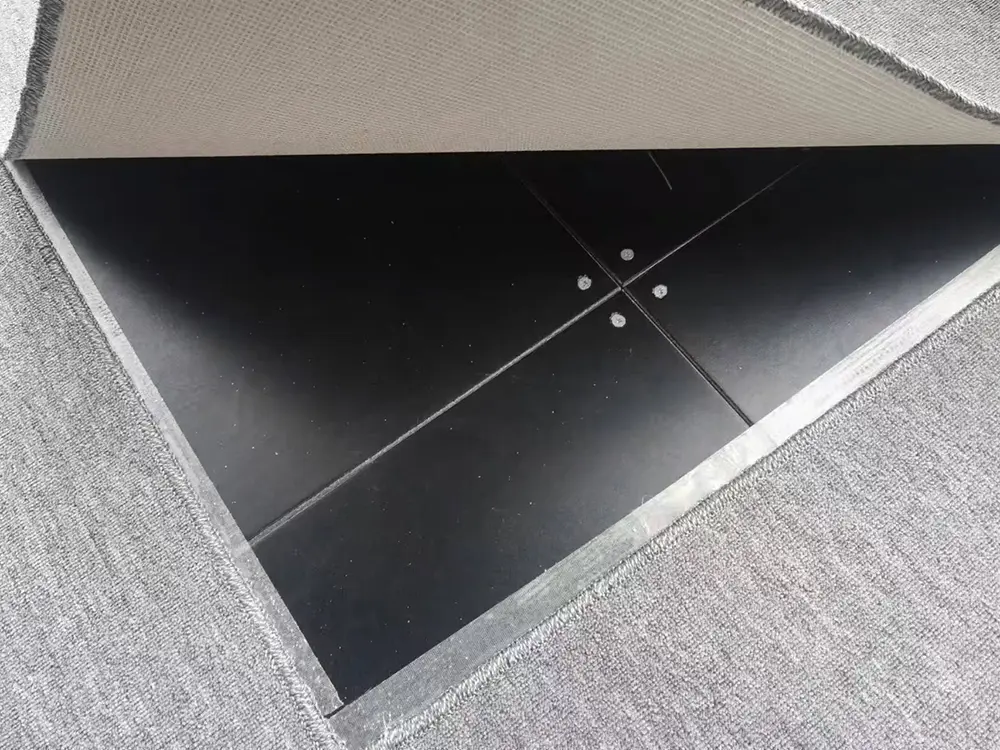 LEAO® Access Floors
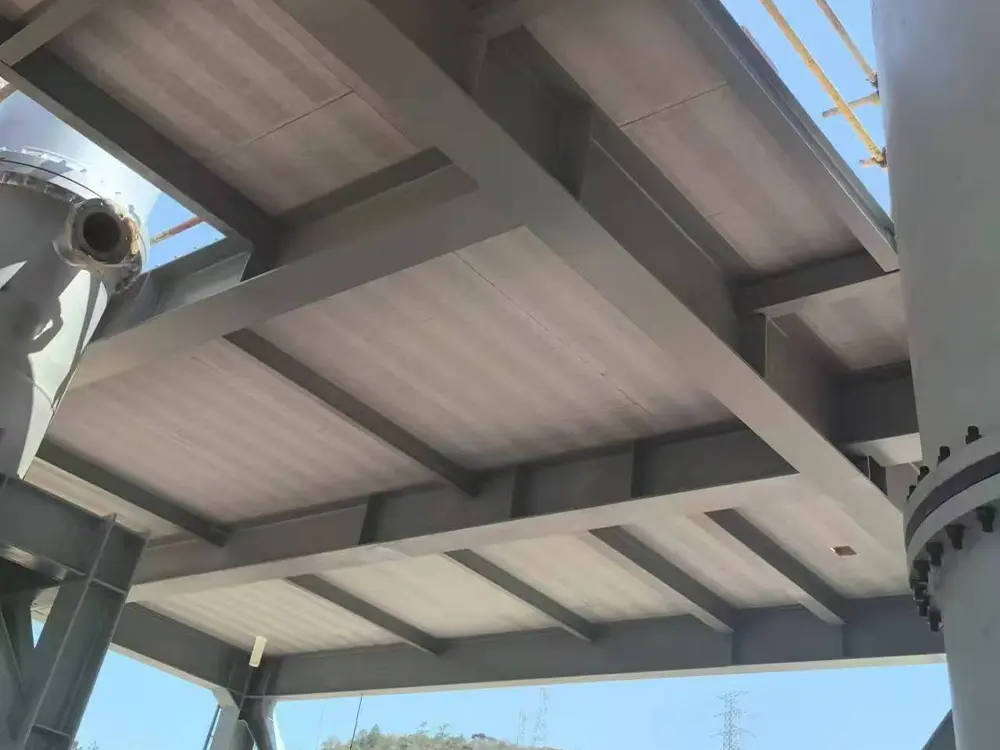 LEAO® Non-removable Formwork
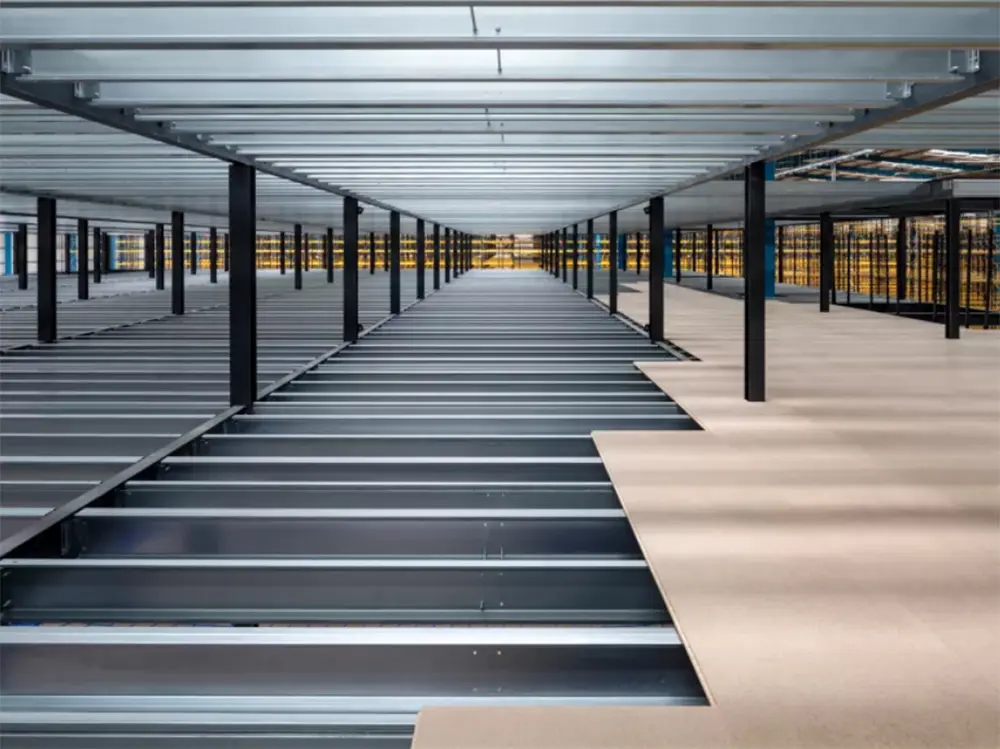 LEAO® Mezzanine Board
 LEAO® Ceramic Tile Underlay
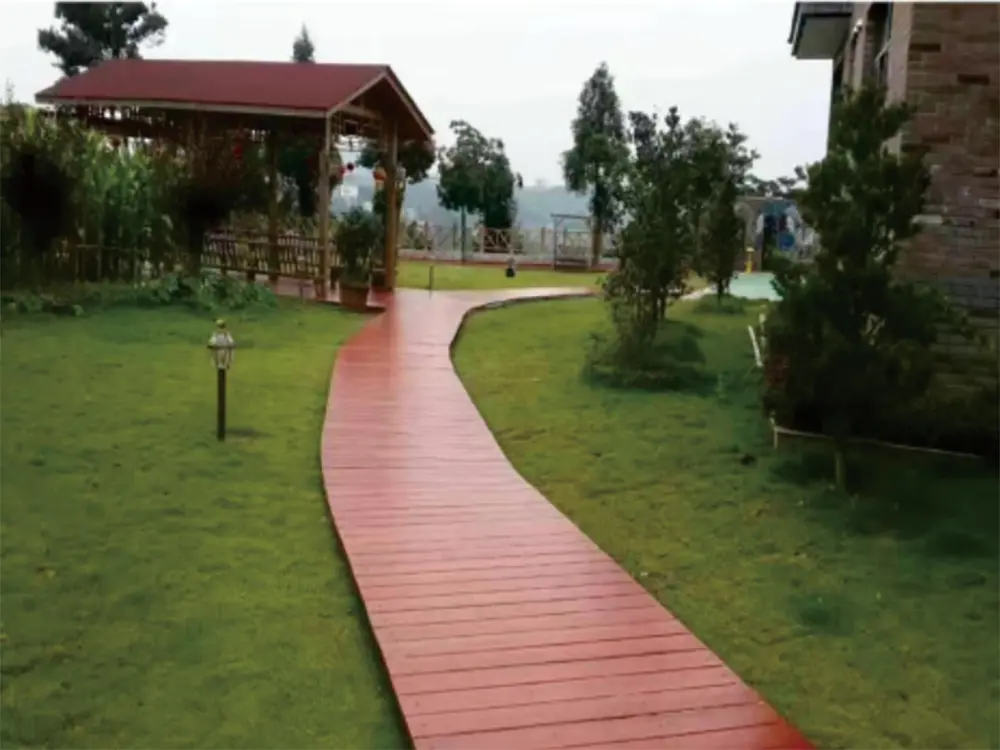 LEAO® Floor Plank
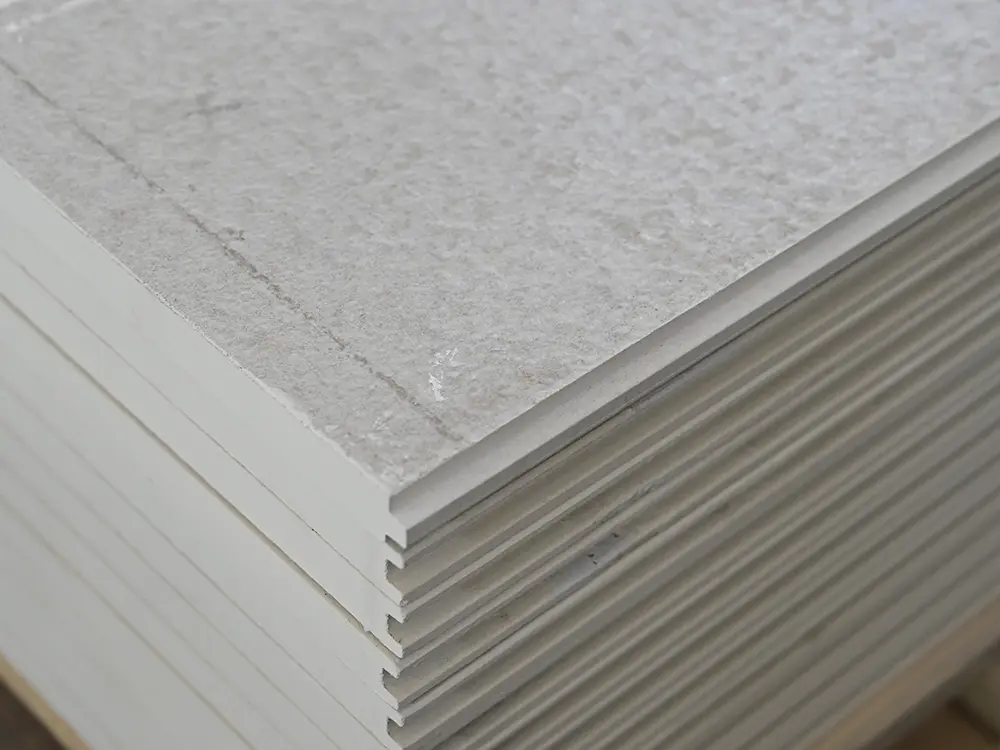 LEAO® Flooring
 LEAO® Wood Style Decorative Panel
 LEAO® Stone Style Decorative Panel
 LEAO® Pure Style Decorative Panel
Inquiry
Form loading...
Choosing the right Fiber Cement Board supplier can determine whether a project stays reliable after installation. The decision involves more than comparing prices or reviewing glossy product brochures. In real construction work, small details matter: a chipped edge, uneven thickness, weak packaging, or delayed technical support can create costly site problems.
Building-science expert Dr. Joseph Lstiburek has said, “A building is a system. It is not a collection of components.” This principle applies directly to supplier selection. A dependable supplier should provide consistent board density, accurate dimensions, verified fire and moisture performance, and clear installation guidance. Ask for current test reports, factory quality records, product samples, and batch traceability. Look closely.
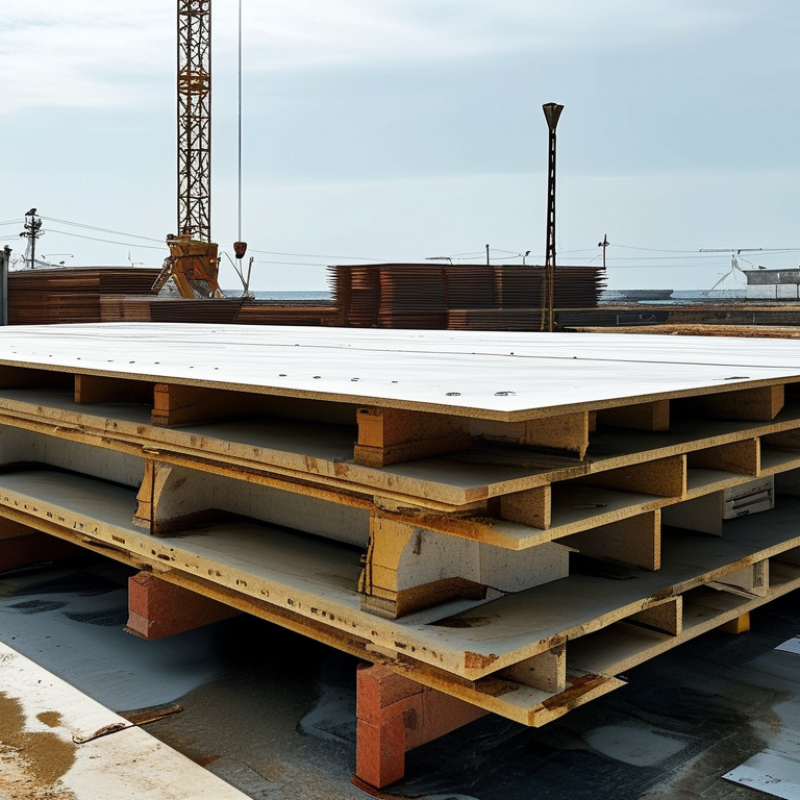
Supplier experience also matters. Review completed projects with similar climates, wall systems, and loading conditions. A manufacturer serving humid coastal sites may understand moisture risks better than a low-cost exporter with limited field knowledge. Check how boards are stacked, wrapped, labeled, and protected during transport. Packaging is not a minor issue.
Price still matters, but it should not lead the evaluation. The cheapest quote may exclude accessories, testing, replacement stock, or after-sales support. That assumption can be wrong. Sometimes, a higher unit price reduces total project risk.
This guide will examine supplier credentials, product standards, manufacturing consistency, delivery capability, technical service, and long-term value. It will also identify warning signs that are easy to overlook. No supplier is perfect. A thoughtful buyer should verify claims, compare evidence, and remain willing to reconsider an attractive offer.
Choosing a fiber cement board supplier starts with reading the standard, not the sales sheet. ASTM C1186 generally separates boards into Type A for exterior use and Type B for interior use. Its grade levels indicate required performance, including flexural strength and related physical properties. Ask for the exact type, grade, thickness, test direction, and report date.
ISO 8336 also distinguishes products by intended application and performance classes. It evaluates properties such as bending strength, density, water absorption, and dimensional stability. EN 12467 adds application categories and mechanical classes, with requirements linked to weather exposure, moisture, and frost resistance. Higher class numbers are not automatically better for every project. The specified environment matters more.
I have seen procurement teams compare labels without checking test conditions. That is risky. A board tested dry may not behave similarly after repeated wetting and drying. Suppliers should provide current certificates, batch traceability, declared tolerances, and results from recognized laboratories. Check whether the report covers the exact board design, not a similar sample. Small details matter.
One practical question helps: “Which clause supports this grade?” A reliable supplier should answer clearly. If explanations remain vague, pause before ordering. I would also request samples and inspect edges, surface consistency, thickness, and handling damage. Standards guide selection, but installation conditions still deserve careful review. That part is often underestimated.
| Evaluation Dimension | ASTM C1186 | ISO 8336 | EN 12467 | Supplier Verification Point |
|---|---|---|---|---|
| Standard purpose | U.S. specification for fiber-cement flat sheets used in interior and exterior applications. | International specification for fiber-cement flat sheets, including performance and test requirements. | European product standard for fiber-cement flat sheets used in building applications. | Confirm the exact standard edition, product scope, and applicable national or project requirements. |
| Primary application classification | Type A: intended for exterior applications. Type B: intended for interior applications. |
Type A: intended for external applications. Type B: intended for internal applications. |
Category A: applications exposed to heat, moisture, and occasional frost. Category B: applications not intended for these exposures. |
Do not select an interior Type B or Category B product for an exterior façade without documented approval for the actual exposure. |
| Strength designation | Uses ASTM grade designations in combination with Type A or Type B. The required minimum flexural performance depends on the applicable grade and product thickness. | Uses performance classes and application types. The class is related to minimum bending-strength requirements. | Uses Classes 1 through 5 for bending-strength performance, together with Category A or B. | Request the declared grade or class, minimum bending strength, test direction, specimen conditioning, and thickness used for the result. |
| EN 12467 strength classes | No direct one-to-one conversion should be assumed between ASTM grades and EN classes. | Class numbering should be checked against the current ISO 8336 edition and the supplier’s test declaration. |
Class 1: minimum bending strength commonly specified as 4 N/mm² Class 2: 7 N/mm² Class 3: 10 N/mm² Class 4: 16 N/mm² Class 5: 24 N/mm² |
Check whether the declared value applies in both principal directions and whether the required exposure category is also satisfied. |
| Flexural or bending strength | Usually reported in MPa or psi and evaluated according to the ASTM test procedure for the specified sheet type and grade. | Reported as bending strength, generally in N/mm² or MPa, with requirements linked to the declared class and thickness. | Reported as bending strength in N/mm² or MPa; values can differ by direction, thickness, and conditioning state. | Compare test results only when test method, thickness, conditioning, and loading direction are equivalent. |
| Water absorption and moisture behavior | Water absorption and dimensional behavior must be evaluated according to the applicable specification and intended use. | Moisture-related performance is considered together with dimensional changes and durability requirements. | Category A products are intended for more demanding moisture and weather exposure than Category B products. | Request water absorption, thickness swelling, moisture movement, and wet-condition test data where relevant. |
| Freeze-thaw and weather resistance | Exterior products should have documented resistance appropriate to the project climate and exposure conditions. | Durability performance should be verified against the applicable environmental exposure and project specification. | For Category A products, freeze-thaw and durability requirements are especially important in climates with frost exposure. | Ask for freeze-thaw test results, number of cycles, acceptance criteria, and the product thickness tested. |
| Dimensional tolerance | Thickness, length, width, squareness, and flatness should comply with the applicable ASTM requirements. | Dimensional tolerances and physical characteristics are controlled through the standard’s product requirements. | Defines dimensional and shape-related requirements for flat sheets, including thickness and flatness controls. | Require a dimensional inspection report and confirm tolerances for the actual thickness and sheet size purchased. |
| Density and mass | Density and mass influence handling, fixing design, acoustic performance, and structural load calculations. | Physical properties should be declared or tested when required by the application and specification. | Mass per unit area and density are relevant to transport, installation, and supporting-substrate design. | Compare nominal and actual mass per square metre, especially for suspended ceilings, façades, and partition systems. |
| Fire performance | Fire performance is normally demonstrated through the applicable fire-test and building-code requirements rather than by Type A or Type B alone. | Fire characteristics should be verified through the relevant test classification and local regulatory requirements. | Fire classification is generally addressed through the applicable European reaction-to-fire system and supporting test data. | Request a valid fire classification for the exact board composition, coating, thickness, and installation system. |
| Thickness selection | Common applications include siding, soffits, cladding, backer boards, partitions, and ceiling systems; the required thickness depends on the system design. | Thickness must be selected according to the intended use, structural demand, fixing pattern, and declared performance. | Thickness affects bending strength, durability, fastener performance, weight, and installation tolerances. | Ensure that certificates and test reports cover the exact thickness being quoted, not only a thicker or thinner reference board. |
| Recommended supplier documents | Product data sheet, certificate of conformity, ASTM test report, quality-control records, and installation instructions. | Product declaration, ISO test report, technical data sheet, durability evidence, and batch traceability. | Declaration of Performance where applicable, CE-related documentation, test reports, technical data, and installation guidance. | Reject documents that do not identify the product composition, thickness, test laboratory, test date, standard edition, or batch reference. |
| Important cross-standard warning | ASTM Type and Grade designations should not be converted directly into ISO or EN classifications. | ISO Type and class designations should not be treated as automatically equivalent to ASTM or EN designations. | EN Category and Class designations are not automatically interchangeable with ASTM Type and Grade labels. | Select the supplier whose documented test results meet the project’s governing standard; use crosswalks only after technical review. |
| Practical supplier-selection rule | For exterior or façade applications, prioritize a documented exterior classification, suitable bending-strength performance, moisture and freeze-thaw evidence, fire data, dimensional consistency, and installation compatibility. | Choose documented performance over a grade label alone. | ||
| Technical note: ASTM C1186, ISO 8336, and EN 12467 are separate standards. Requirements can vary by edition, product type, thickness, test direction, conditioning, and intended application. Always verify the current standard text and the test report for the exact product supplied. | ||||