Inquiry
Form loading...

How to Choose China Best Compressed Fiber Cement Board?

Choosing China’s best Compressed Fiber Cement Board requires more than comparing prices. The right board must match the building’s environment, design demands, and installation method. Exterior walls, ceilings, partitions, and wet areas need different performance levels. A reliable selection begins with density, thickness, bending strength, water resistance, fire performance, and dimensional stability. These details affect every later stage.

Start with the project conditions. Is the board exposed to rain, coastal air, freezing temperatures, or constant humidity? A coastal building may need stronger moisture protection and corrosion-resistant fixing systems. A high-density board can offer better impact resistance, but it may increase cutting difficulty and installation weight. That trade-off matters. Check test reports, product samples, factory quality controls, and batch consistency. Ask whether the manufacturer conducts regular laboratory testing, not only one-time certification. Verify production capacity, packaging quality, lead times, and technical support before placing a large order. Small sample checks can reveal uneven edges, weak corners, or thickness variation.

Experience also teaches caution. The cheapest board is not always the lowest-cost solution. Poor flatness may create visible joints and expensive rework. An attractive sample may not represent every production batch. Request independent inspection when the project is demanding. Compare suppliers using the same technical specifications, testing conditions, and warranty terms. China has many capable manufacturers, but quality varies between factories and product grades. The best Compressed Fiber Cement Board is the one that performs consistently in your actual climate, application, and construction schedule. That answer may change from one project to another.
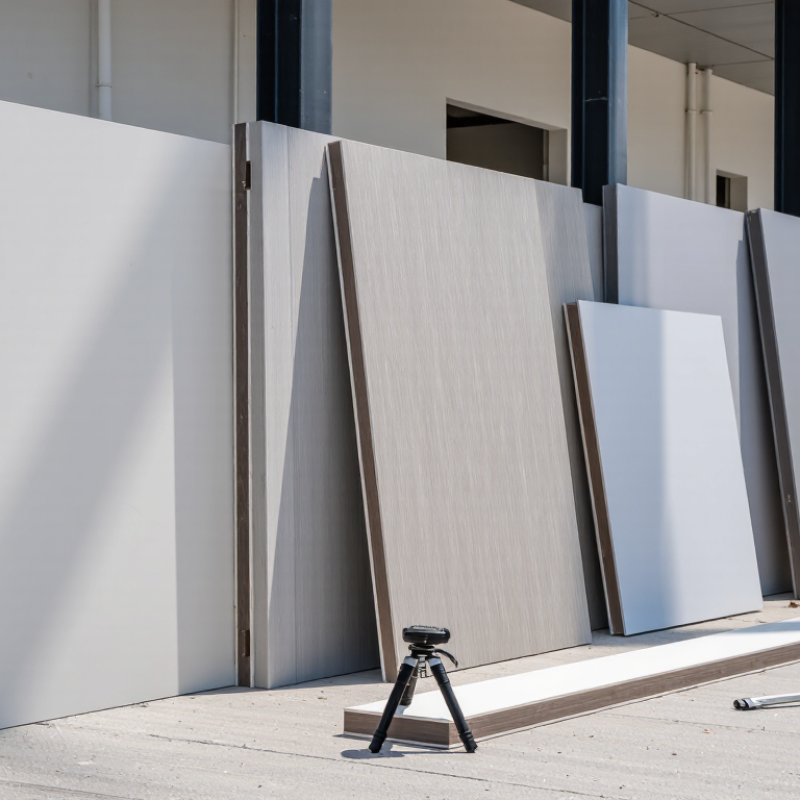
How to Choose China Best Compressed Fiber Cement Board?

What Is Compressed Fiber Cement Board?

How to Choose China Best Compressed Fiber Cement Board?

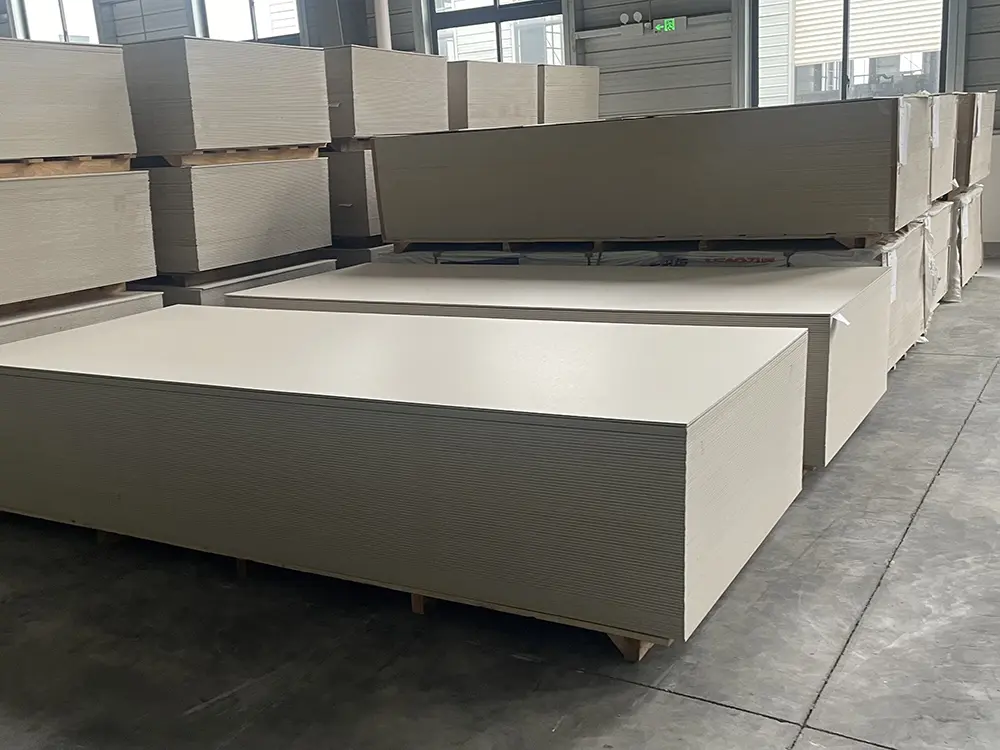
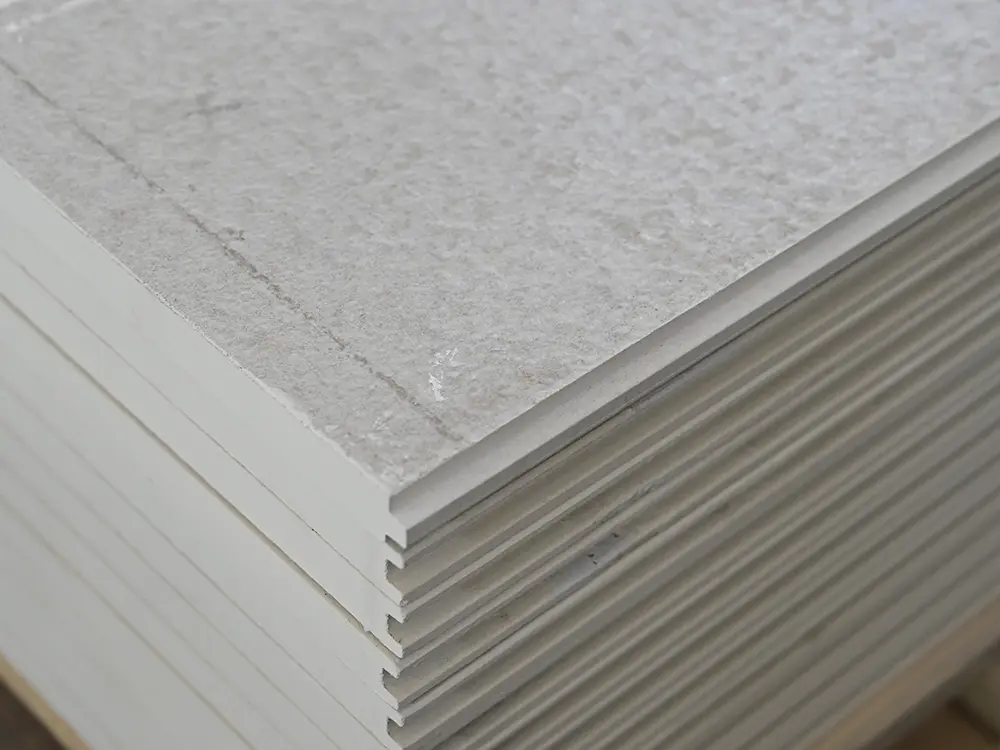
Compressed fiber cement board is a dense construction panel made from cement, cellulose fibers, mineral fillers, and water. Manufacturers press these materials under high pressure, then cure the boards to improve strength and stability. The result is a firm, flat sheet for walls, floors, ceilings, facades, and fire-rated assemblies.

Its performance depends on more than thickness. A suitable board should have consistent density, accurate dimensions, low moisture movement, and clean edges. In practical projects, installers often notice problems when sheets are stored outdoors or cut without dust control. The board resists moisture, insects, and heat, but it is not waterproof in every condition. Poor joints can still allow water into the structure. I once underestimated edge sealing on a humid site; the installation needed extra repairs. That mistake was avoidable.

Tips: Ask for technical data, test reports, and production samples before ordering. Check density, bending strength, water absorption, thickness tolerance, and fire performance. Confirm whether the board suits interior or exterior use. Also inspect packaging and storage guidance. A reliable supplier should explain cutting methods, fixing distances, and applicable standards clearly. Do not judge quality by surface smoothness alone. Core consistency matters more.
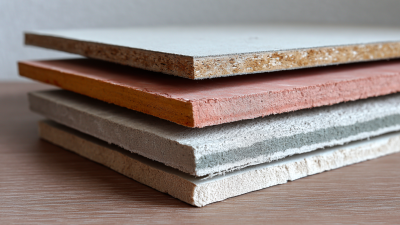
Which Performance Standards Should the Board Meet?

A compressed fiber cement board should be judged by verified performance, not appearance or marketing claims. ASTM C1186-23 separates boards into Type A for exterior applications and Type B for interior applications. It evaluates flexural strength, water absorption, moisture movement, and dimensional tolerance. ISO 8336:2017 also classifies boards by strength, thickness, and intended use. These details matter when panels face rain, heat, or repeated fixing.

For exterior projects, check EN 12467 compliance and the required exposure category. The report should include wet and dry bending strength, water impermeability, warm-water resistance, and freeze-thaw performance. ASTM E136 can help verify noncombustibility, while ASTM E84 may report flame-spread and smoke-developed indexes for the tested assembly. Do not treat one fire result as universal. The complete wall system changes the outcome.

Ask the manufacturer for laboratory reports, production-batch numbers, test dates, and accredited-lab details. Compare the tested thickness with your purchase specification. A 6 mm sample cannot represent a 12 mm board automatically. In site inspections, edge swelling and screw breakout often reveal weaknesses earlier than visual checks. I would not trust a perfect certificate without random sampling. Testing is useful, but real exposure remains less predictable.

How to Compare Fiber Cement Board Materials and Specifications

How to Choose China Best Compressed Fiber Cement Board?

Comparing fiber cement board materials starts with the intended application. Interior partition walls need different performance from exterior cladding or wet-area ceilings. Check the cement matrix, cellulose fiber content, board density, and curing method. Autoclaved boards usually offer stable dimensions and a smoother surface. Pressed boards can provide useful strength, but their quality may vary between production batches. This matters.

Specifications must match actual site conditions. Compare thickness, density, flexural strength, water absorption, fire performance, and dimensional tolerance. A thicker board is not always better. It may increase weight and installation costs. Ask for test reports based on recognized standards, such as EN 12467 or ASTM C1185. Chinese GB standards may also apply to the project. Confirm the tested thickness and board type. Numbers without test conditions can mislead.

I check sample edges, corners, and surface flatness before approving a shipment. Small cracks often appear after cutting, not during inspection. Ask for samples from the same production line and review batch records. For exterior use, examine freeze-thaw resistance and wet expansion. For interior work, focus on screw holding and cutting behavior. I once trusted a strong laboratory result, but the delivered boards warped slightly. The mistake was mine: I compared reports, not production consistency. A factory audit and independent retesting can reduce that risk.

How to Choose China Best Compressed Fiber Cement Board? - How to Compare Fiber Cement Board Materials and Specifications

A practical comparison of common compressed fiber cement board options. Values are typical specification ranges and should be verified against the applicable product test report, project drawings, and local building requirements.

Comparison Dimension Standard Interior Board High-Density Interior Board Exterior Cladding Board High-Performance Fire-Resistant Board
Typical application Interior partitions, ceilings, wall lining, and dry-area substrates High-traffic partitions, impact-prone walls, floors, and acoustic assemblies Ventilated façades, exterior soffits, rainscreen systems, and protected outdoor walls Fire-rated partitions, shafts, service enclosures, and areas requiring enhanced fire performance
Common thickness 6–12 mm 8–18 mm 8–20 mm 8–25 mm
Typical dry density 1,200–1,500 kg/m³ 1,400–1,700 kg/m³ 1,300–1,700 kg/m³ 1,200–1,600 kg/m³
Typical bending strength ≥ 12 MPa, depending on direction and test method ≥ 16 MPa, depending on direction and test method ≥ 16 MPa, with the value verified for the intended fixing span ≥ 15 MPa, with fire-rated system performance assessed separately
Moisture resistance
Dimensional stability Low shrinkage and expansion compared with many wood-based boards Very good stability; higher mass can improve rigidity Very good stability, but movement joints and suitable fasteners remain necessary Good stability; performance depends on board formulation and assembly design
Fire performance Often classified as a non-combustible or limited-combustibility mineral board; verify the exact classification Usually strong fire performance due to its cementitious composition; verify the tested classification Commonly selected for non-combustible façade applications; the full façade system must be assessed
Thermal conductivity Approximately 0.20–0.35 W/(m·K), depending on density and moisture Approximately 0.25–0.40 W/(m·K) Approximately 0.20–0.40 W/(m·K); it is not a substitute for dedicated insulation Approximately 0.20–0.40 W/(m·K), depending on composition
Acoustic contribution Provides useful mass for partitions but normally requires insulation and framing for high sound ratings Can reduce external noise as part of a complete insulated rainscreen assembly Acoustic performance depends mainly on the complete wall, ceiling, or enclosure assembly
Surface finish Paint, skim coat, tile, wallpaper, or other compatible interior finish Paint, tile, laminates, or heavy-duty surface finishes after suitable preparation Factory coating, architectural paint, textured finish, or ventilated façade finish Paint or compatible protective finish; avoid coatings that reduce required fire performance
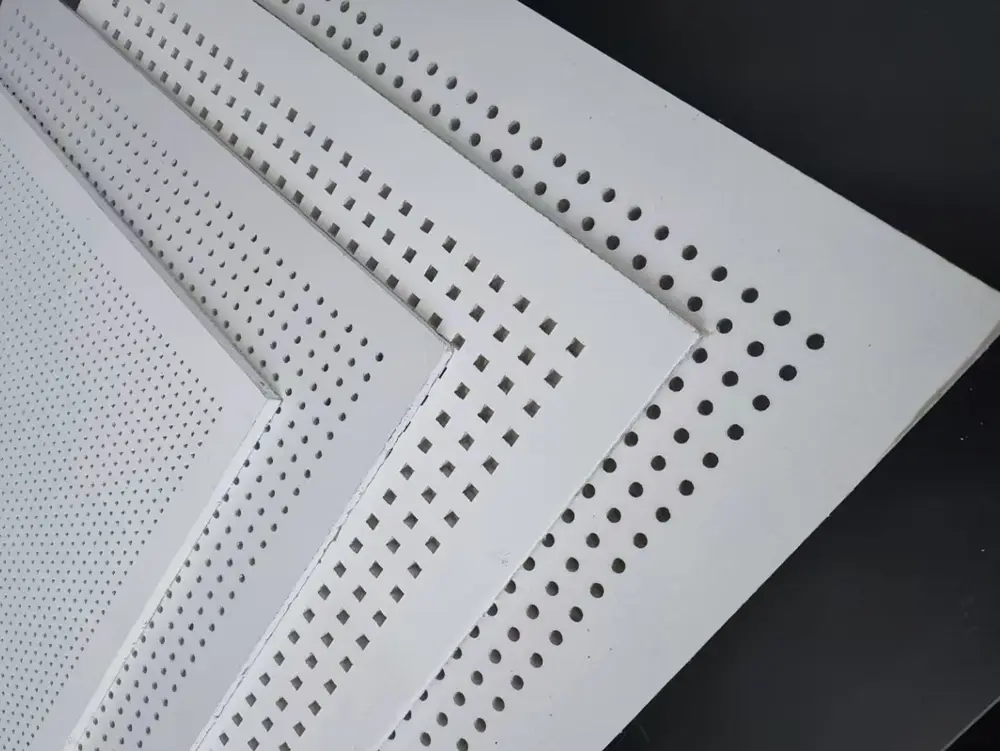
Edge and surface options Square edge, tapered edge, or machined edge depending on joint treatment Square edge and reinforced or machined edge options are common Square edge, tongue-and-groove, profiled, or perforated designs may be available Usually square edge; joint details should match the tested fire-rated assembly
Cutting and installation Can be cut with carbide-tipped tools; use dust control and appropriate fasteners Requires more powerful cutting equipment and stronger framing or fixings Requires accurate setting out, corrosion-resistant fixings, ventilation gaps, and movement allowances Installation must follow the tested assembly, including joint treatment, screw spacing, and layer arrangement
Relative weight Medium; typically easier to handle than high-density boards High; plan for additional labor and lifting requirements Medium to high; verify dead load and substructure capacity Medium to high; confirm board weight against the fire-rated system design
Key quality checks Thickness tolerance, density, bending strength, moisture movement, edge quality, and screw-holding behavior Density consistency, impact resistance, bending strength, flatness, and machining quality Water absorption, freeze-thaw suitability where relevant, coating adhesion, weather resistance, flatness, and fixing performance Fire classification, fire-resistance test report, density uniformity, bending strength, joint details, and traceable production records
Relevant standards to request Applicable national or regional fiber-cement board standard, plus project-specific test reports Applicable product standard and verified mechanical performance reports Applicable façade, weather-resistance, wind-load, and product standards for the destination market Applicable non-combustibility, reaction-to-fire, and fire-resistance standards for the required assembly
Best selection principle
Main caution Do not assume every interior board is suitable for continuous wet exposure or exterior use Higher density increases weight, cutting effort, and transportation cost Board performance alone does not guarantee façade performance; the entire system must be engineered A board’s material classification is not the same as the fire-resistance rating of a complete wall or ceiling

Procurement note: Before placing an order, compare the same test methods, conditioning states, tolerances, board dimensions, moisture content, packaging requirements, and installation conditions. For structural, façade, wet-area, or fire-rated applications, request current third-party test reports and confirm compliance with the regulations applicable at the project location.

How to Evaluate Chinese Manufacturers and Suppliers

How to Choose China Best Compressed Fiber Cement Board?

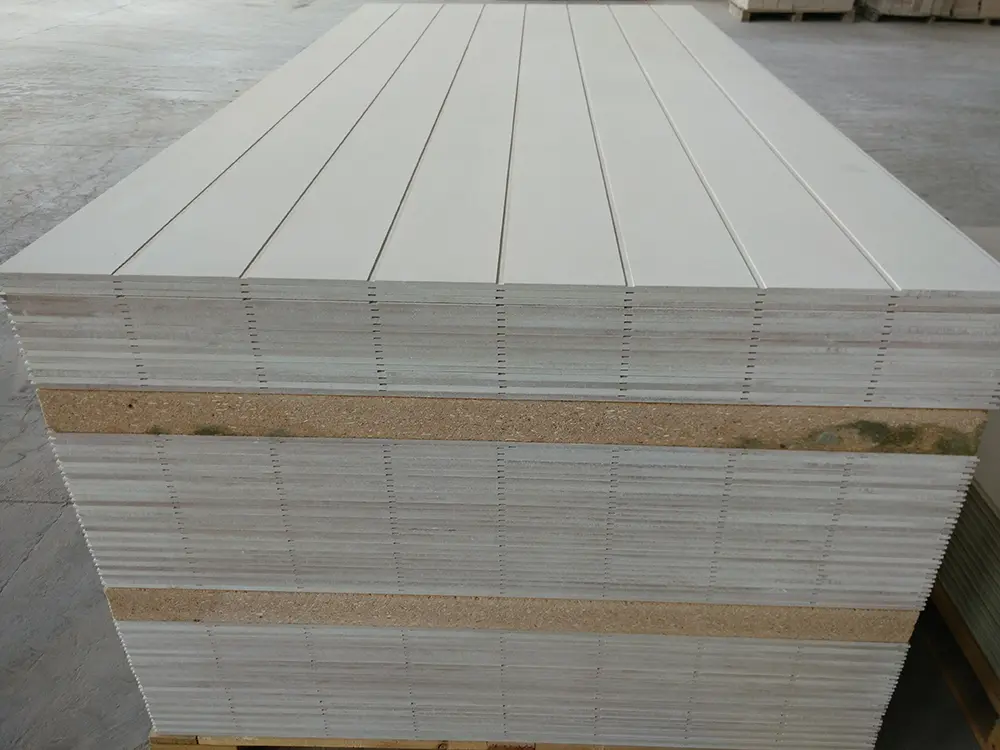
When evaluating Chinese manufacturers and suppliers, inspect more than product photos. Request samples from different production batches. Check thickness with a digital caliper, weigh each board, and examine the cut edges for voids or crumbling. Ask for test reports covering density, flexural strength, water absorption, dimensional stability, and fire performance. Confirm that the reports match the exact board model, not a similar product.

Visit the factory when possible, or arrange a live video inspection. Look at fiber mixing, pressing equipment, curing rooms, and storage conditions. A reliable supplier should explain quality-control checkpoints clearly. Ask how often they test board thickness and strength. Review export packaging, container loading photos, production capacity, and realistic lead times. Documents matter, but traceable records matter more. A polished certificate is not enough.

Tips: Send a detailed specification before requesting quotations. Include thickness, size, edge type, surface finish, application, applicable standards, and expected quantity. Compare several samples under moisture and cutting tests. Check whether the supplier can replace damaged boards and provide batch records. Do not select the lowest price too quickly. I have seen apparently small tolerance differences create installation problems. One weakness remains: remote audits cannot reveal every factory habit. Independent inspection before shipment may therefore be worth the extra cost.

How to Select, Order, and Inspect the Best Board for Your Project

Choosing China’s best compressed fiber cement board requires more than comparing prices. Start with your project conditions: exterior walls, ceilings, partitions, or wet areas. Confirm the required thickness, board size, density, water absorption, and flexural strength. A board suitable for dry interiors may fail under repeated rain or temperature changes.

Request technical datasheets, test reports, and a physical sample before ordering. Check whether the reported standards match your local building requirements. I usually inspect the sample edges, surface flatness, corner strength, and cutting dust. Measure several sheets, not just one. Small variations can complicate installation. Order a trial batch before committing to a large shipment. Confirm packing methods, moisture protection, loading photos, lead time, and replacement terms in writing. Freight damage is easy to overlook until the container arrives.

Tips: Tap the board gently and compare its sound with another sample. Inspect for cracks, warping, soft corners, and uneven compression. Keep samples from different production batches. Test screw holding and cutting performance with your actual tools. If the board smells strongly damp or shows surface powder, pause the order. A lower price can become expensive after breakage and rework. I have learned that supplier communication is not always precise, so repeat key specifications in a signed purchase document. Leave room for doubt, and verify every critical detail.

How to Choose China Best Compressed Fiber Cement Board

Key inspection benchmarks for selecting, ordering, and evaluating compressed fiber cement board

These procurement benchmarks reflect commonly reviewed technical factors for fiber cement board. Prioritize compliance with the required standard, flexural strength, water resistance, dimensional accuracy, density, and surface quality. Actual limits should always be confirmed against the applicable project specification and test standard before ordering.