Why Choose Fiber Cement Floor Board for Your Next Project?
When considering materials for your next project, the selection of flooring can make a significant difference. One standout option is the Fiber Cement Floor Board. This material combines durability with aesthetic appeal, making it a reliable choice for various environments. Its resistance to moisture and pests ensures a long lifespan, which is crucial for both residential and commercial spaces.
Many professionals in construction and design advocate for this innovative flooring solution. Fiber Cement Floor Board offers versatility, suiting different design styles and operational needs. Its installation may require specific techniques, which can prompt discussions on best practices. While it excels in many areas, it also has limitations, such as weight considerations that affect transport and handling.
Choosing Fiber Cement Floor Board reflects a thoughtful approach to your project. The decision involves balancing durability, cost, and design flexibility. Each project is unique, and reflecting on your specific needs will guide you toward the best choice. With its increasing popularity, it’s essential to weigh the advantages against potential challenges.
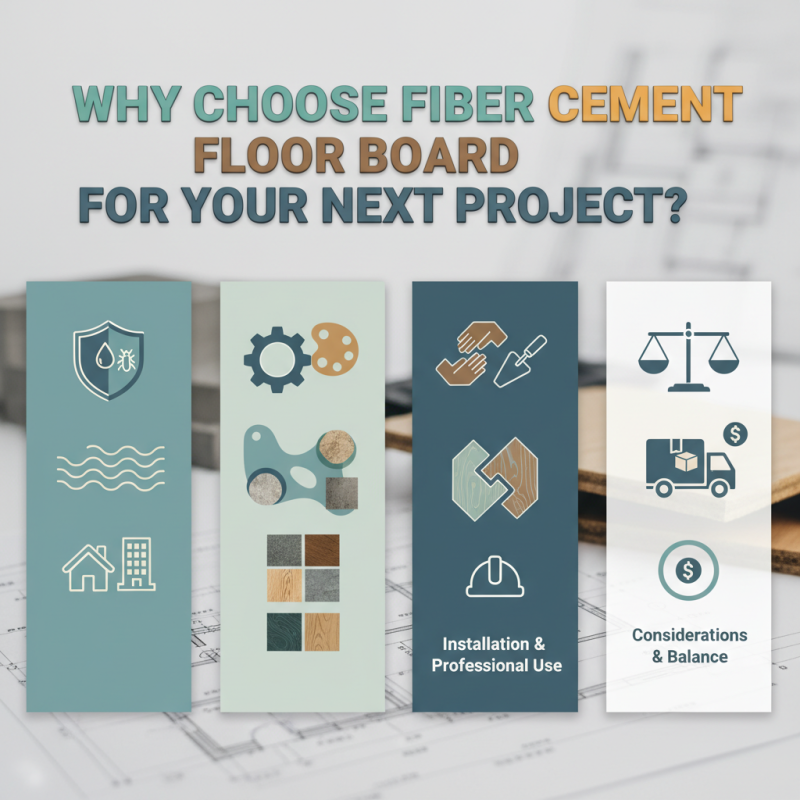
Benefits of Fiber Cement Floor Boards in Construction Projects
Fiber cement floor boards are becoming an increasingly popular choice in construction projects due to their myriad benefits. They offer exceptional durability compared to traditional wood or vinyl surfaces. These boards are resistant to moisture, rot, and pests. This makes them ideal for high-traffic or outdoor areas where other materials might fail.
In addition to durability, fiber cement boards provide excellent fire resistance. This characteristic can be crucial in meeting safety codes. With their robust make-up, they do not warp. Instead, they maintain their shape under varying environmental conditions. You can achieve a high-end look without worrying about wear and tear.
**Tips:** When selecting fiber cement boards, always check their thickness and finish. A thicker board can offer better insulation and a smoother finish enhances aesthetics. It's also wise to consult with seasoned contractors. They can recommend the best practices for installation and maintenance. Ensure that your project can accommodate any specific requirements for fiber cement boards. This foresight will save time and resources during construction.
Why Choose Fiber Cement Floor Board for Your Next Project? - Benefits of Fiber Cement Floor Boards in Construction Projects
| Benefit |
Description |
Durability |
Cost-Effectiveness |
Environmental Impact |
| High Resistance to Weather |
Fiber cement boards can withstand harsh weather conditions, including extreme temperatures and humidity, without warping. |
Yes |
Moderate initial cost, but savings on maintenance. |
Contains sustainable materials, leading to a lower carbon footprint. |
| Fire Resistance |
These boards are non-combustible, making them a safer choice for flooring in commercial and residential buildings. |
Yes |
Can reduce insurance costs due to fire safety. |
Produced with natural raw materials. |
| Pest Resistance |
Unlike wood, fiber cement is impervious to termites and other pests. |
Yes |
Less need for pest control; lower long-term costs. |
Utilizes recycled materials in production. |
| Low Maintenance |
Requires minimal upkeep compared to wood or vinyl flooring options. |
Yes |
Long lifespan offsets higher investment initially. |
Manufactured to reduce waste and energy usage. |
Durability and Longevity: Why Fiber Cement Stands Out
Fiber cement floor boards are gaining popularity in construction projects due to their impressive durability and longevity. A 2021 report from the American Institute of Architects emphasizes that these materials can last up to 50 years with minimal maintenance. Unlike traditional wood or vinyl options, fiber cement is resistant to termites, rot, and fire, making it an excellent choice for various environments.
One key factor in their durability is the material composition. Fiber cement boards are made from a mix of cement, sand, and cellulose fibers. This unique blend not only enhances their strength but also contributes to their low water absorption rates. According to a study by the Portland Cement Association, lower water absorption can significantly reduce the risk of cracking and warping over time. While fiber cement may have a higher initial cost than other flooring options, its longevity can save homeowners money in the long run.
However, it’s essential to recognize that not all applications may suit fiber cement. Installation requires expertise to ensure optimal performance. Improper installation can lead to issues that might not be apparent initially. Potential buyers should weigh their options carefully, considering both the pros and cons. Although fiber cement presents various benefits, thoughtful reflection on project specifications is crucial for achieving the best results.
Comparing Fiber Cement to Traditional Flooring Materials
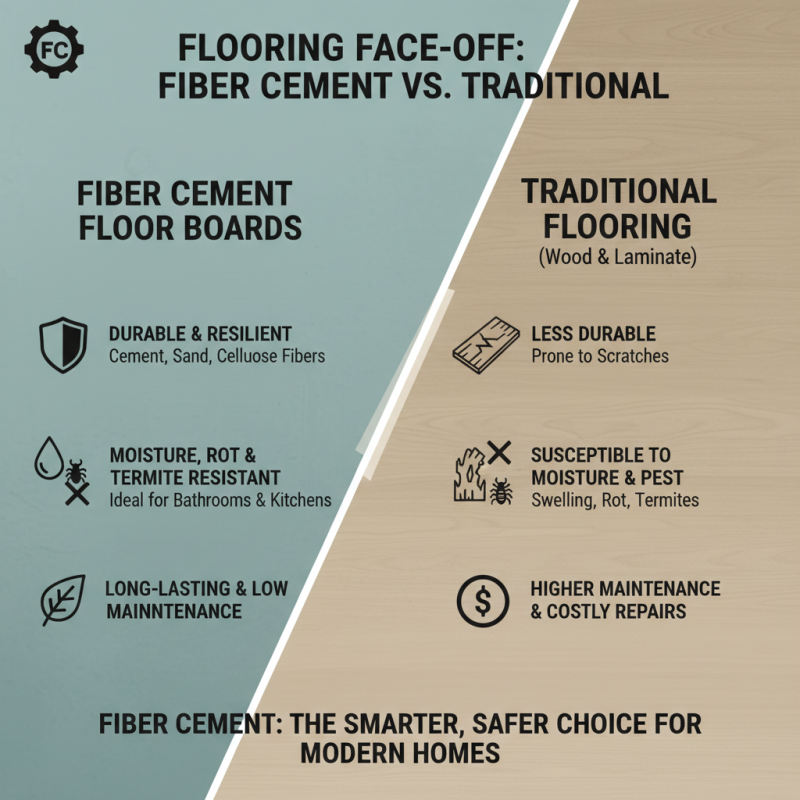
Fiber cement floor boards present a compelling alternative to traditional flooring materials like wood and laminate. These boards are crafted from a mix of cement, sand, and cellulose fibers, offering durability and resilience. Unlike wood, fiber cement is resistant to termites and rot. This makes it a reliable choice for areas prone to moisture, such as bathrooms and kitchens.
Traditional flooring often struggles with wear and tear. Vinyl can fade and wood may warp over time. Fiber cement, however, maintains its appearance and structure under stress. It’s also available in a variety of textures and colors, providing design flexibility. Yet, installation might be more complex and requires skilled labor.
While fiber cement provides numerous advantages, it's vital to consider the entire project scope. The initial cost can often be higher than that of laminate. Ensure that your choice aligns with your long-term goals. Taking the time to reflect on these aspects can significantly influence your project's overall success.
Installation Process: What to Expect with Fiber Cement Boards
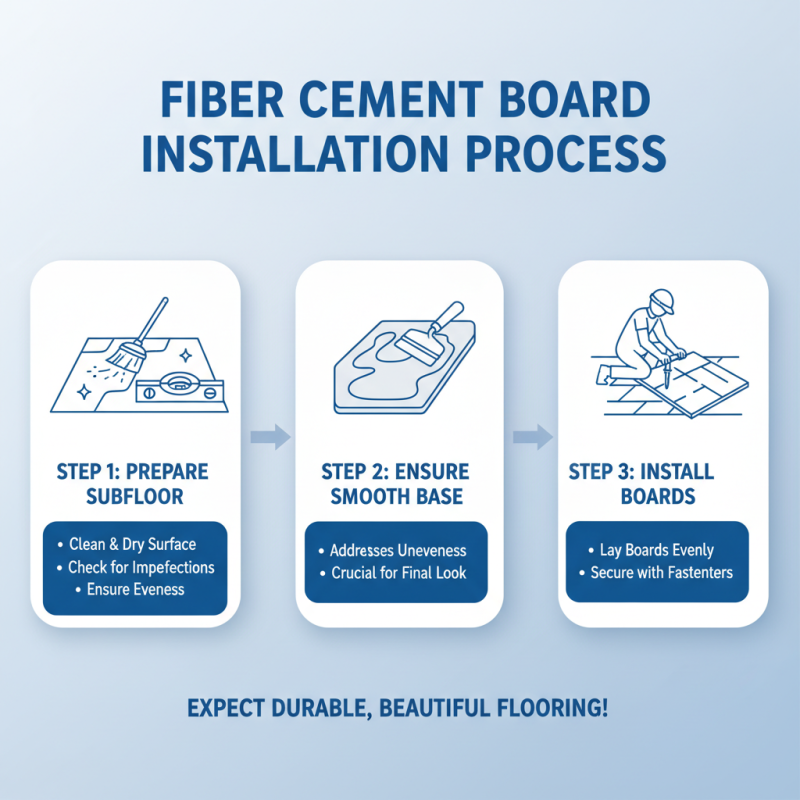
When you choose fiber cement boards, understanding the installation process is crucial. Start by preparing the subfloor. This step requires a clean, dry surface. Use a level to check for any imperfections. Any unevenness can affect the final look of your flooring. An efficient subfloor ensures a smooth installation.
Once the subfloor is ready, lay out the fiber cement boards. Cut them to size using a circular saw with a dust-collection system. Safety is key. Wear a mask and goggles during this process. Secure each board to the subfloor with approved fasteners. Space them correctly to allow for expansion. Take care with your measurements; mistakes can lead to gaps or uneven edges.
Lastly, seal the boards after installation. This protects them from moisture. It might be tempting to skip this step, but it’s essential. Consider potential areas prone to water exposure. Reflect on your approach; a meticulous installation reduces long-term issues. The care you take now ensures durability and a polished finish for your project.
Sustainability and Environmental Impact of Fiber Cement Flooring
Fiber cement flooring is gaining popularity due to its sustainability and minimal environmental impact. Made from natural materials, its production requires less energy than traditional flooring options. This means a smaller carbon footprint, a key consideration in today’s eco-conscious world.
One significant aspect of fiber cement flooring is its durability. It can withstand harsh weather conditions, reducing the need for frequent replacements. However, not all fiber cement products are created equal. Some may not hold up under extreme conditions, raising questions about quality control in the industry.
The recyclable nature of fiber cement is another benefit worth mentioning. At the end of its life cycle, it can be repurposed, minimizing waste. Still, the recycling process itself can vary in efficiency. It’s vital to investigate local recycling options to ensure effective disposal. Choosing fiber cement can be a step toward a greener project. However, doing thorough research is essential to truly harness its benefits.
Environmental Impact of Fiber Cement Flooring Compared to Traditional Flooring Materials
This bar chart illustrates the CO2 emissions associated with different flooring materials per square meter. Fiber cement flooring is a more sustainable choice, emitting significantly less CO2 compared to wood, vinyl, and ceramic materials, underscoring its environmental benefits for your next project.

 LEAO®Deco Ceiling
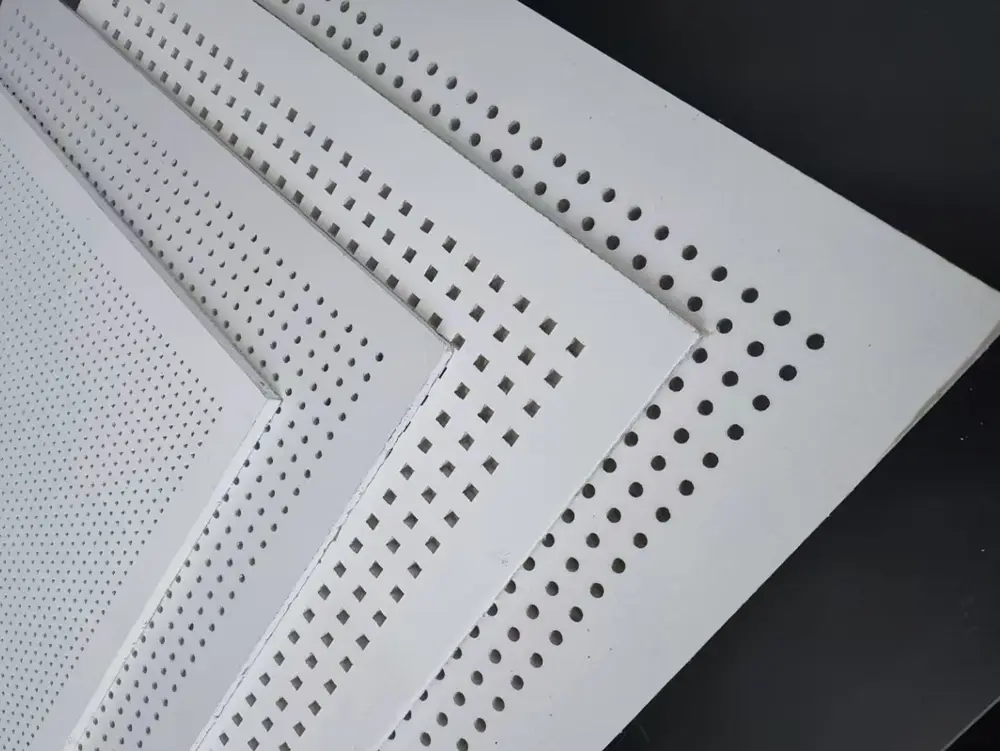 LEAO® Perforated Ceiling
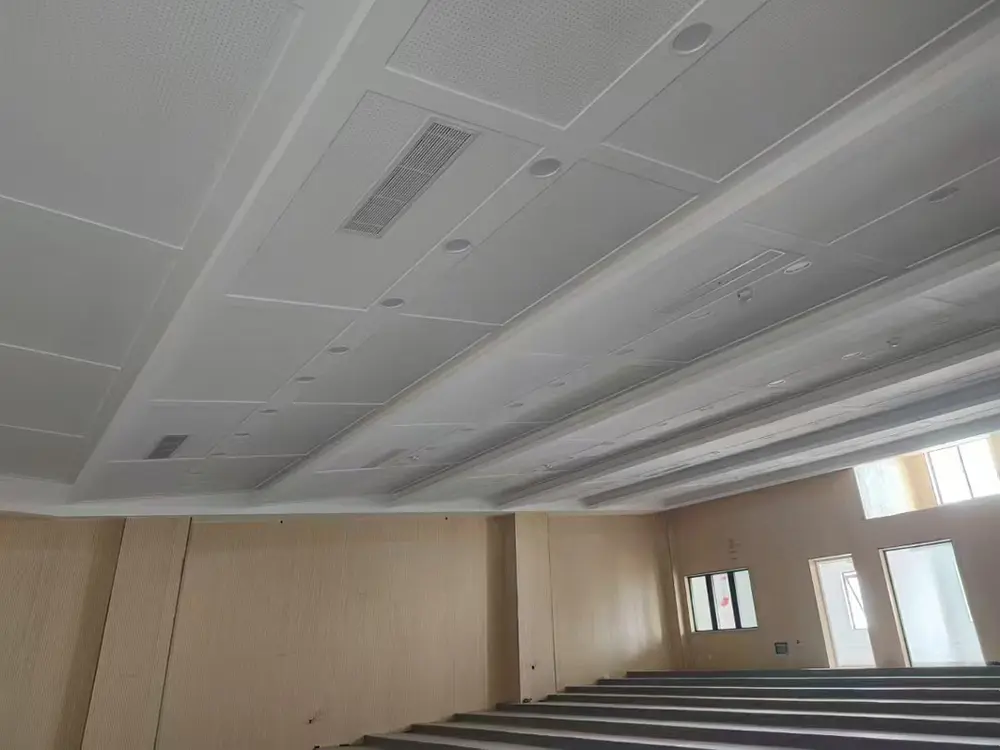 LEAO® Ceiling Board
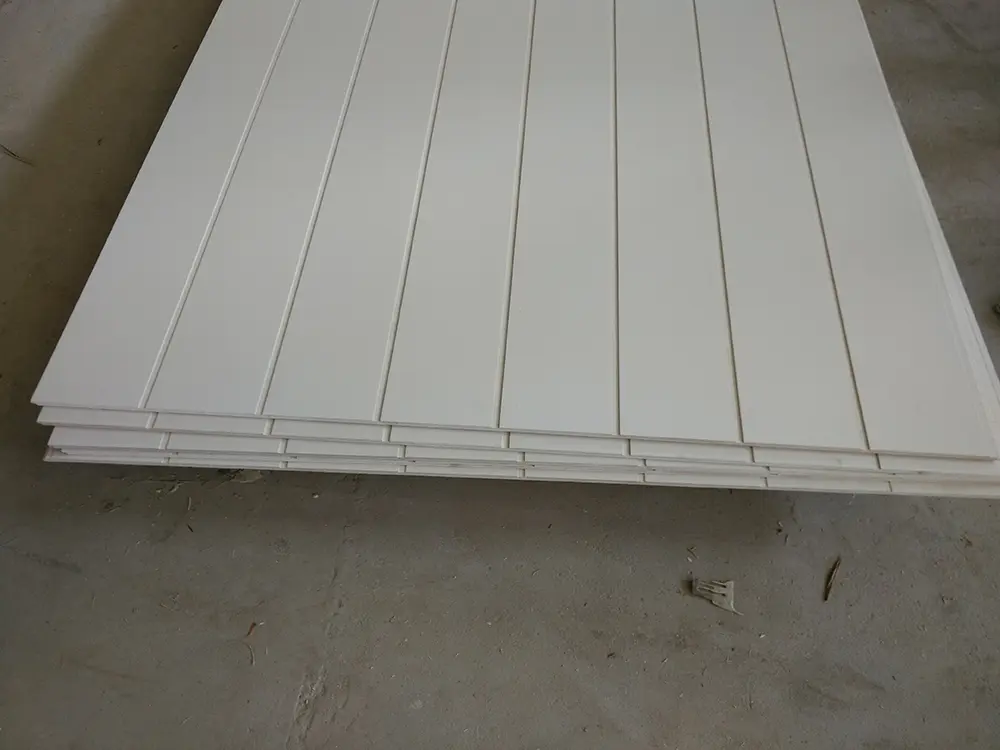 LEAO® Groove Interior Panel
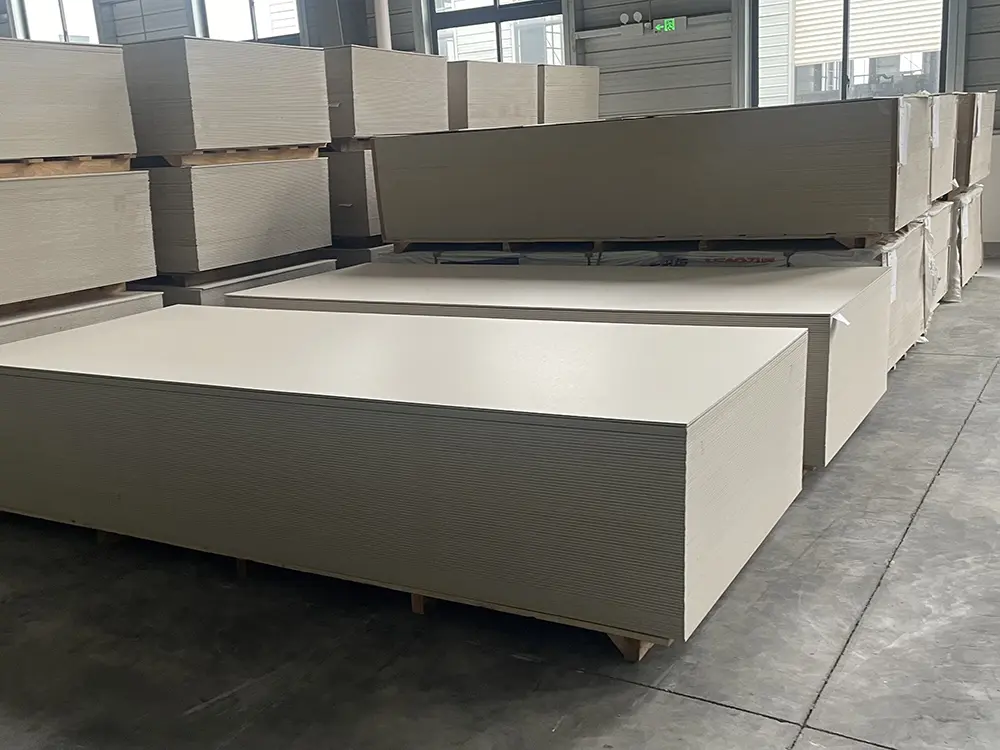 LEAO® Interior Board
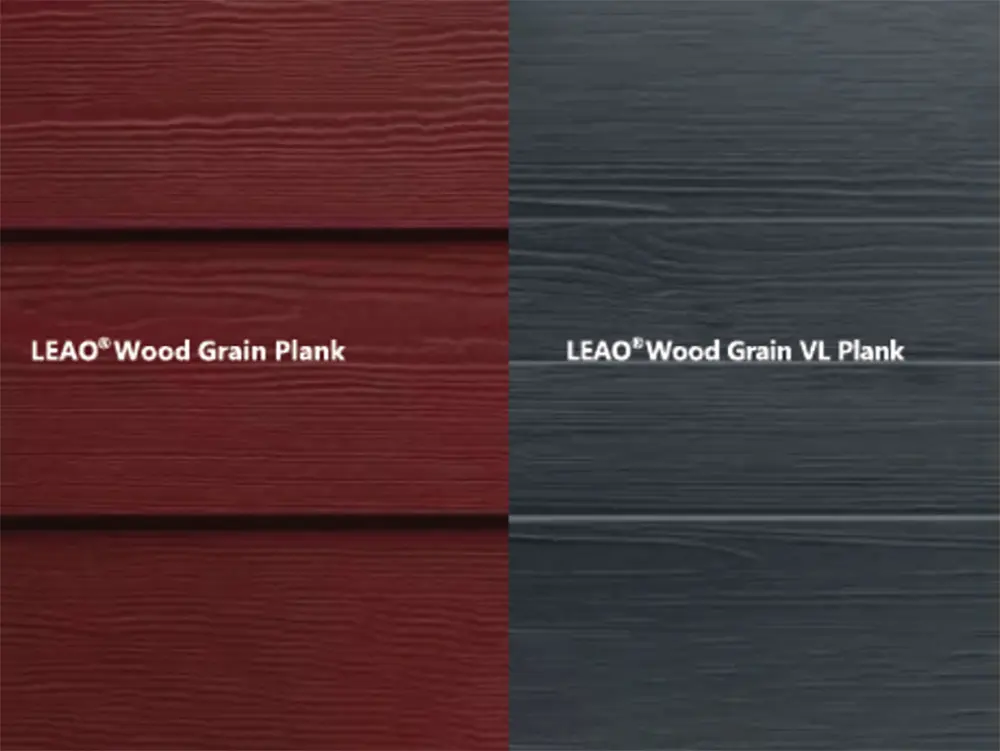 LEAO® Wood Grain Plank
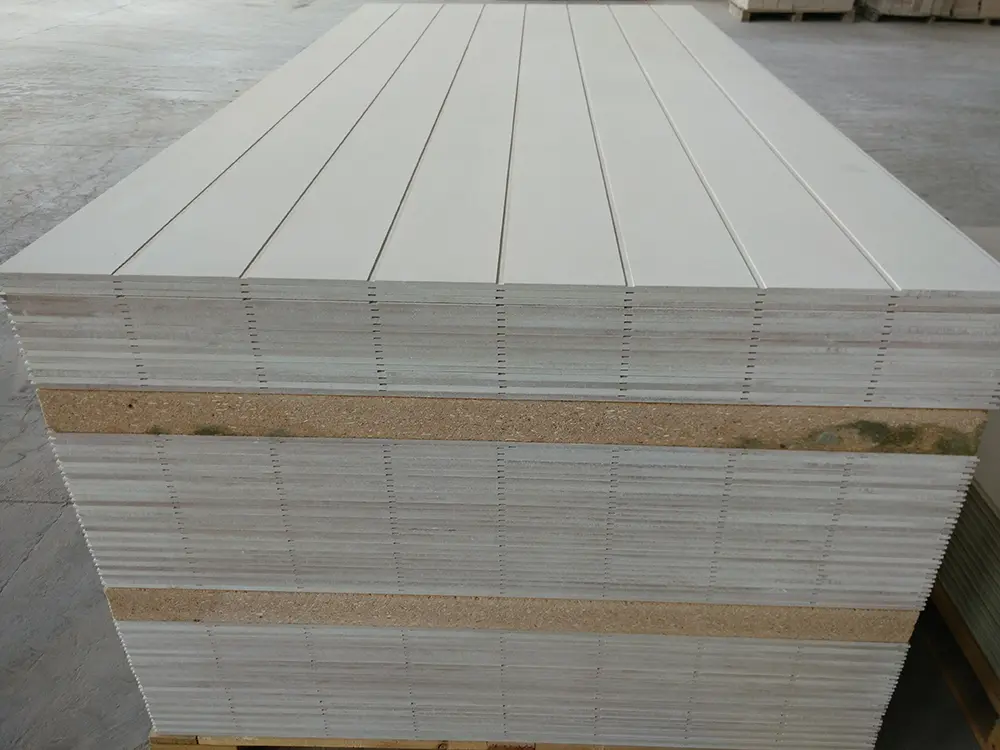 LEAO® Grooved Exterior Panel
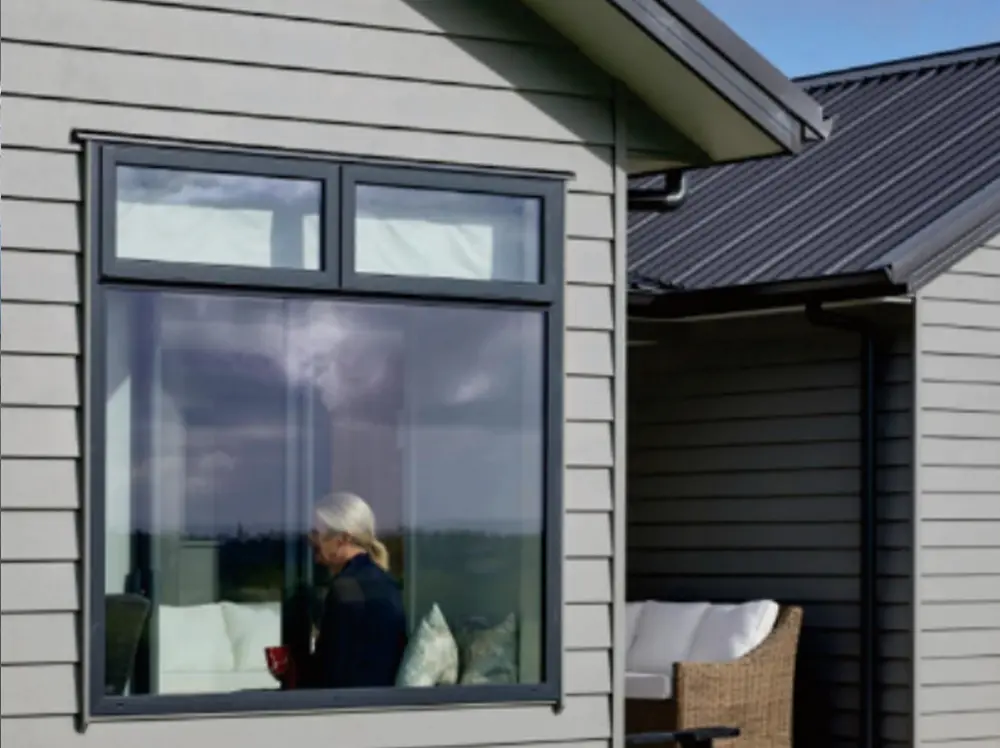 LEAO® Weatherboard
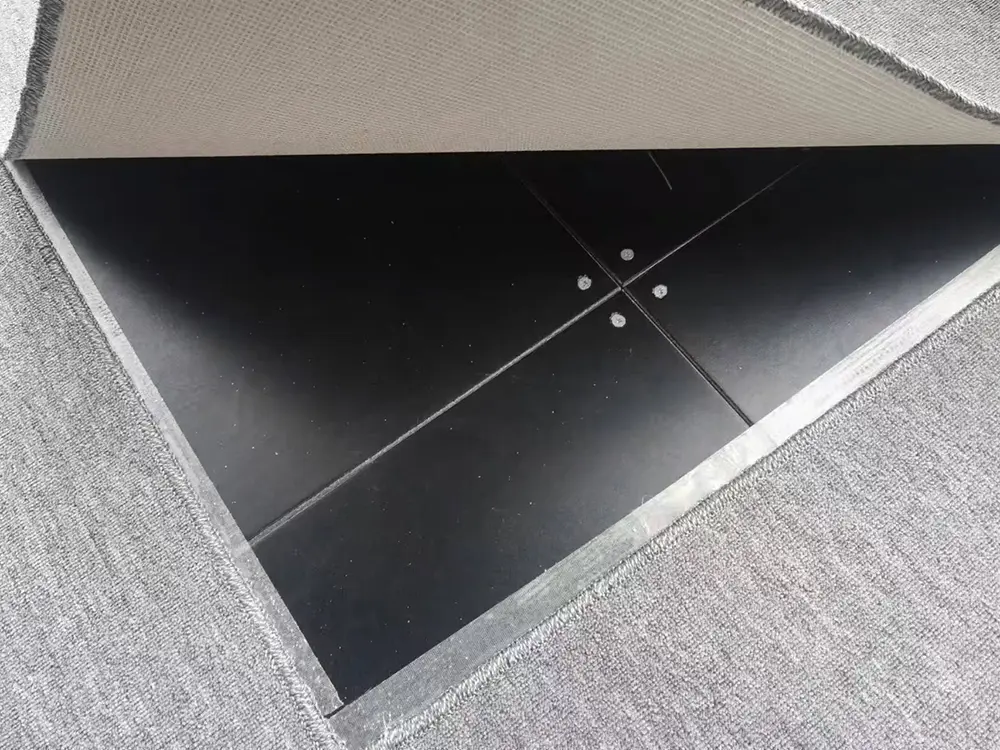 LEAO® Access Floors
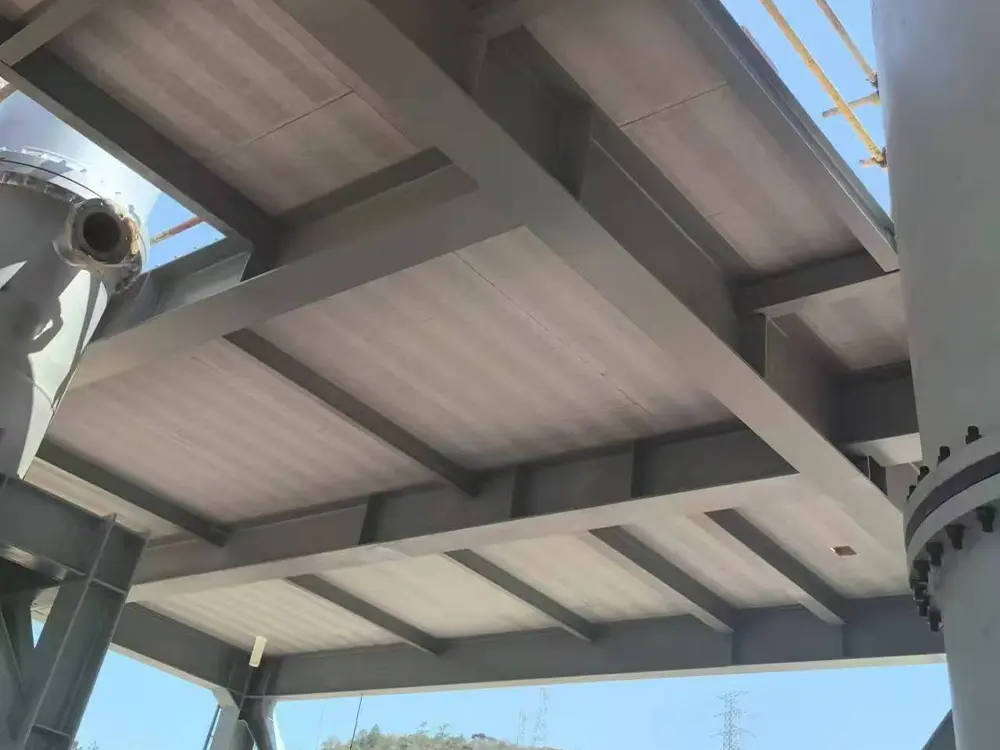 LEAO® Non-removable Formwork
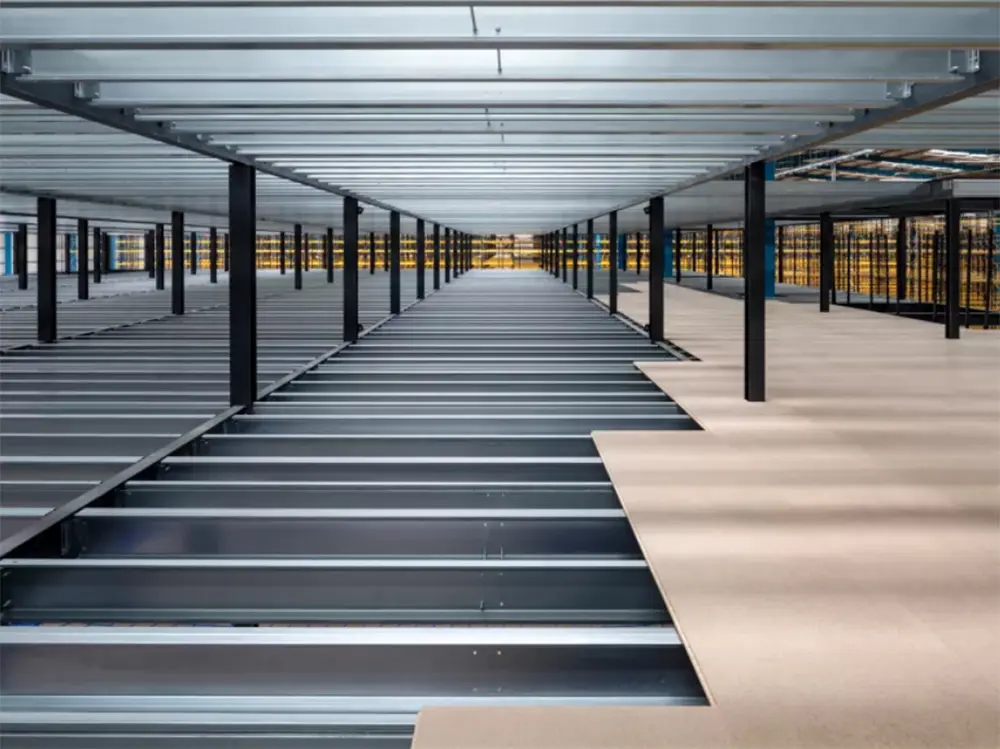 LEAO® Mezzanine Board
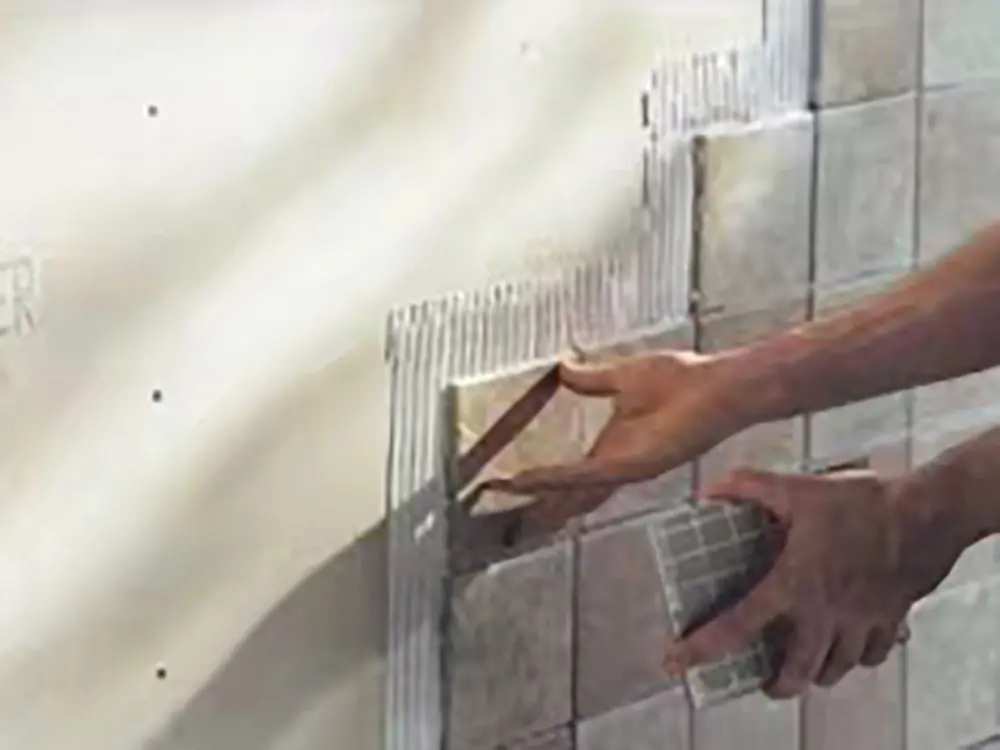 LEAO® Ceramic Tile Underlay
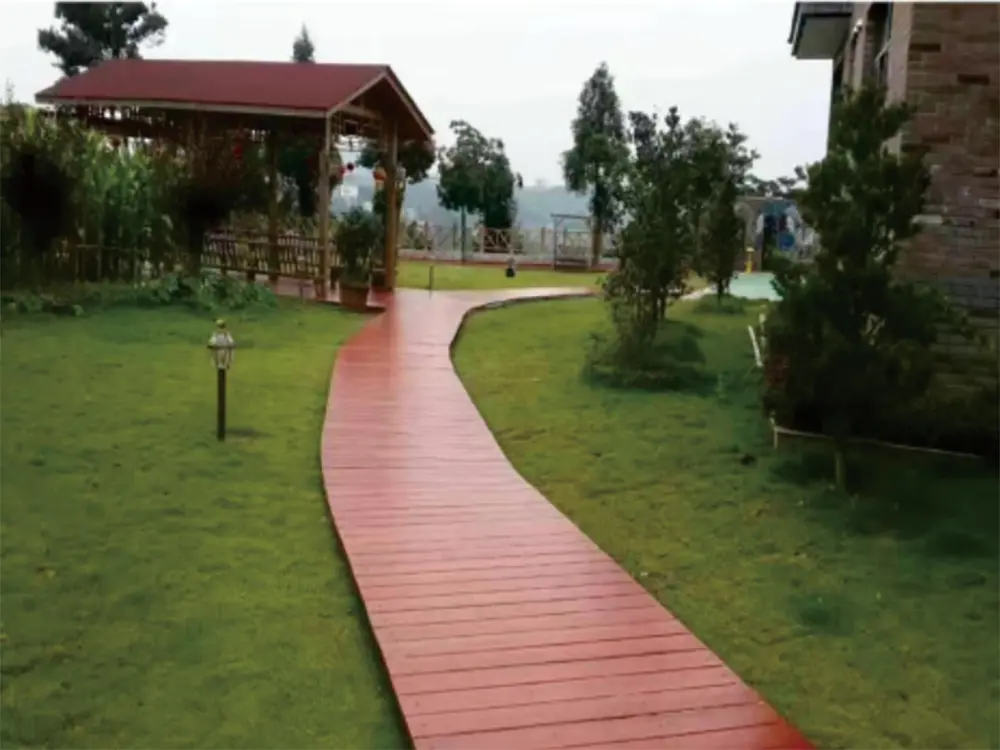 LEAO® Floor Plank
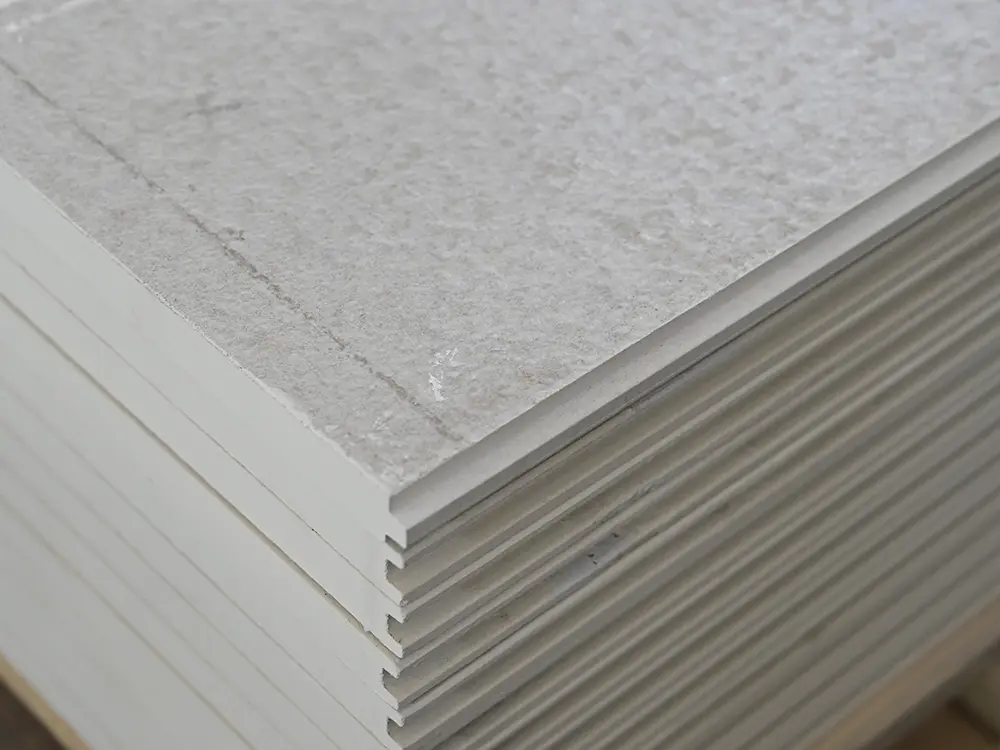 LEAO® Flooring
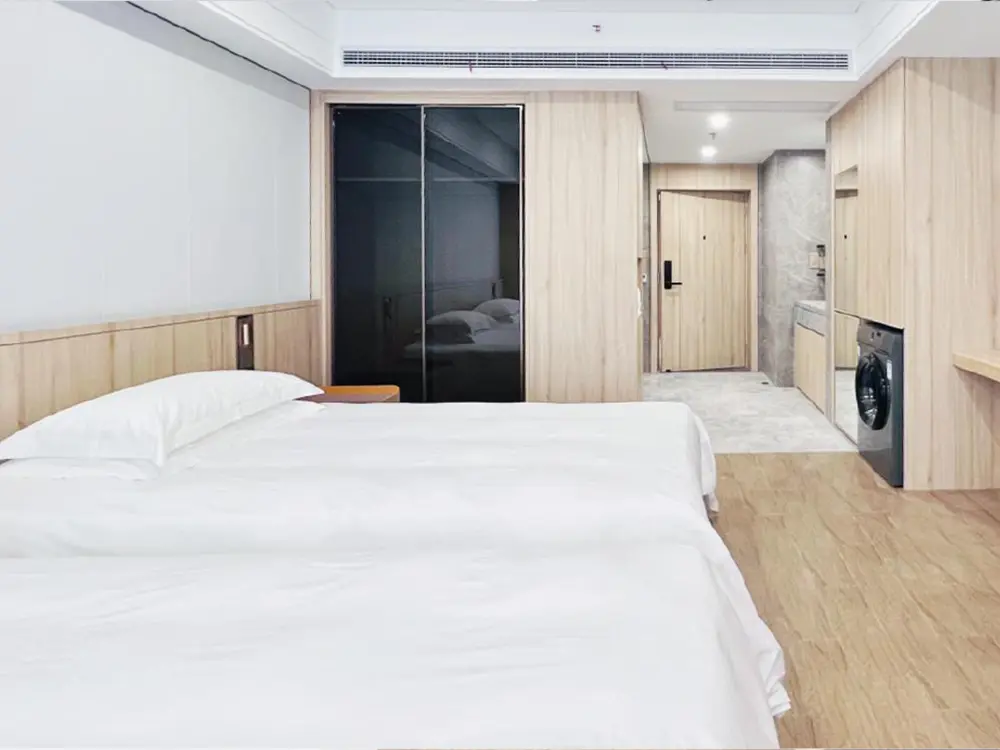 LEAO® Wood Style Decorative Panel
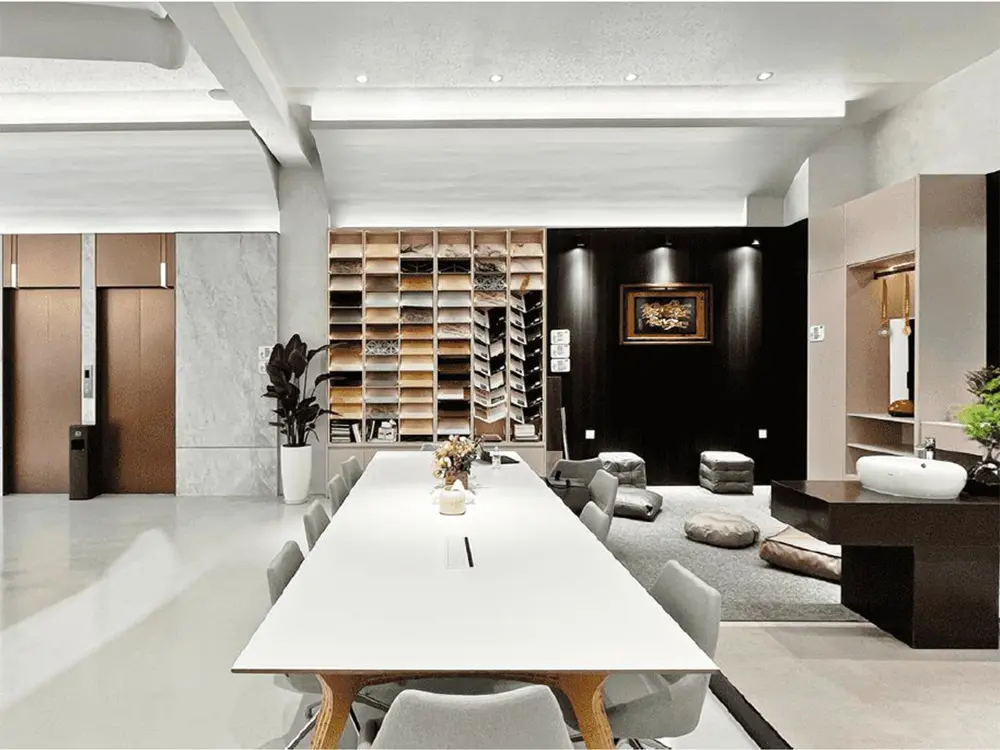 LEAO® Stone Style Decorative Panel
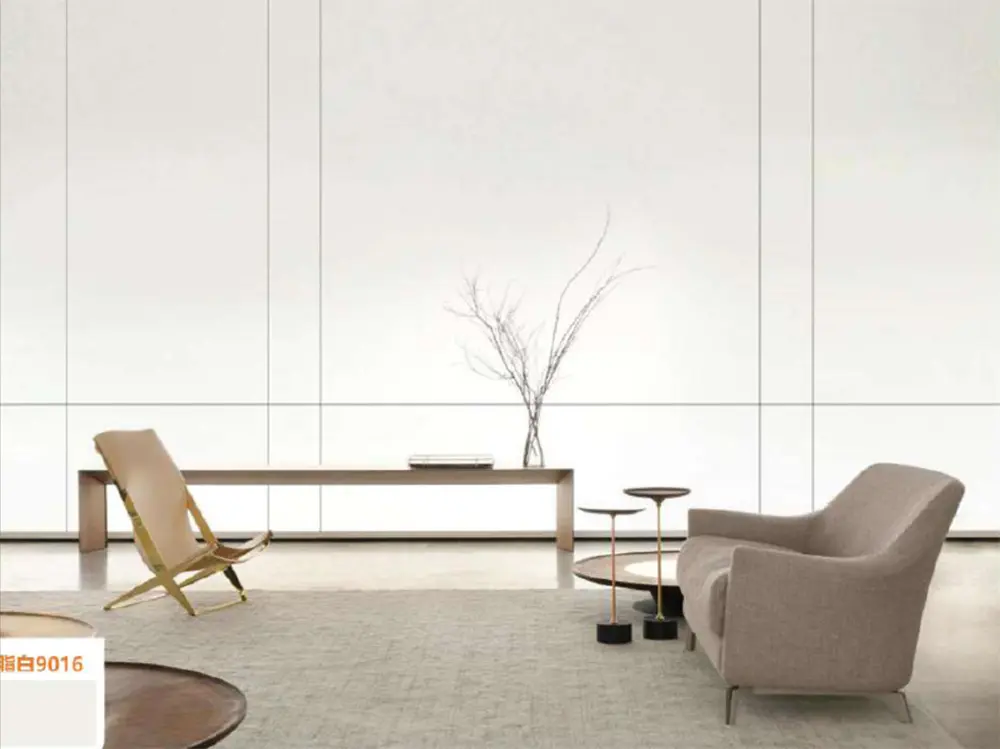 LEAO® Pure Style Decorative Panel