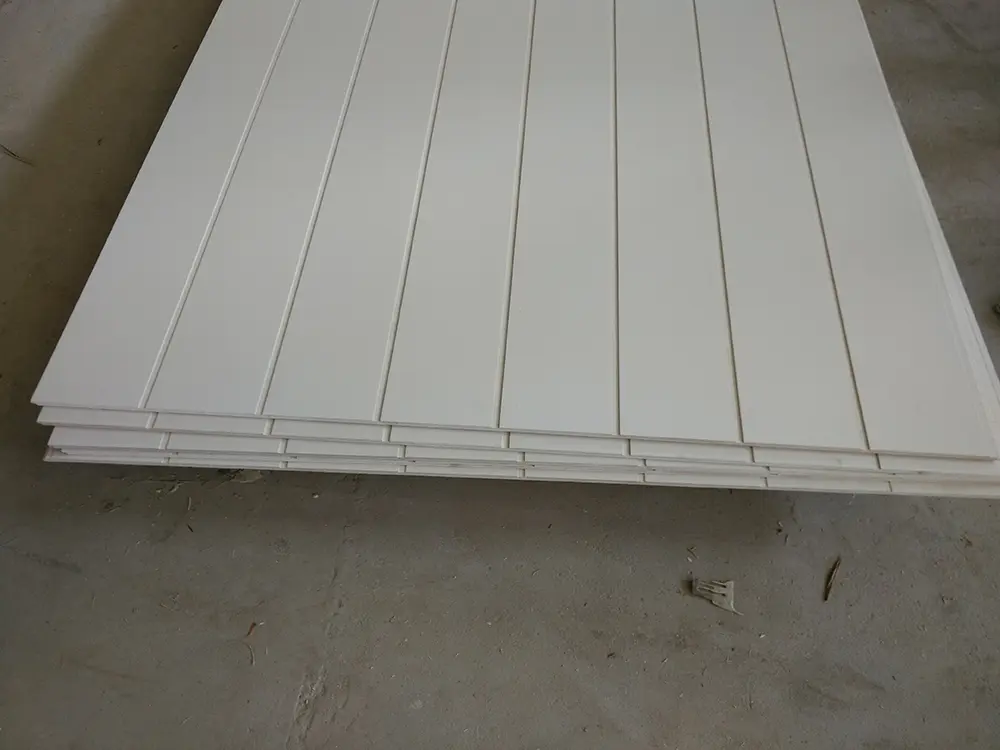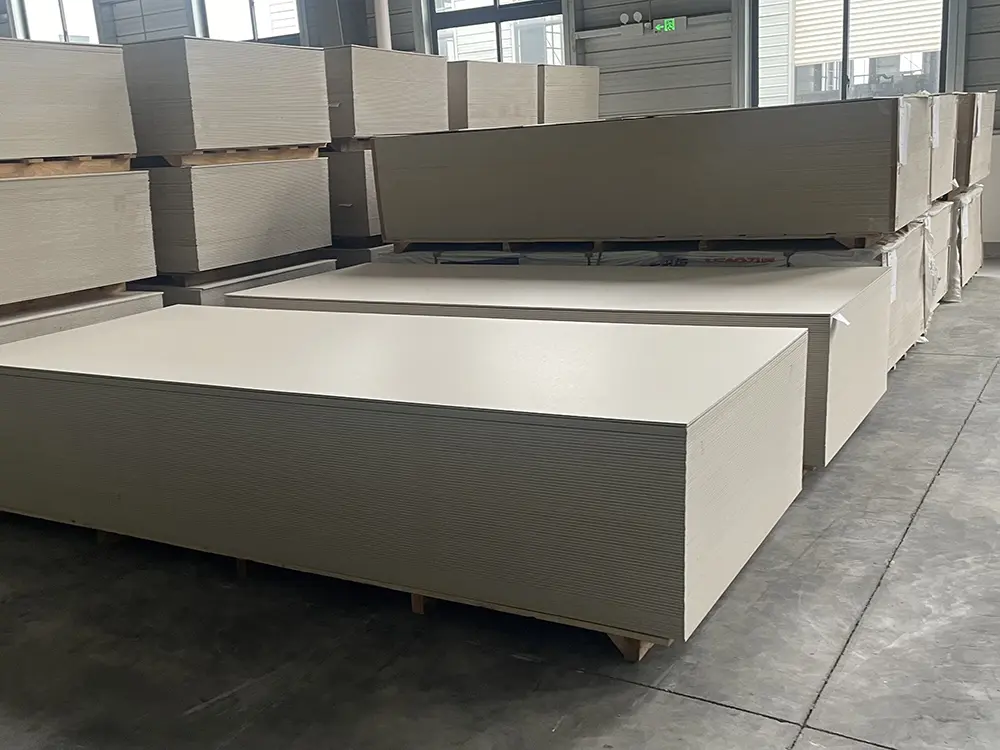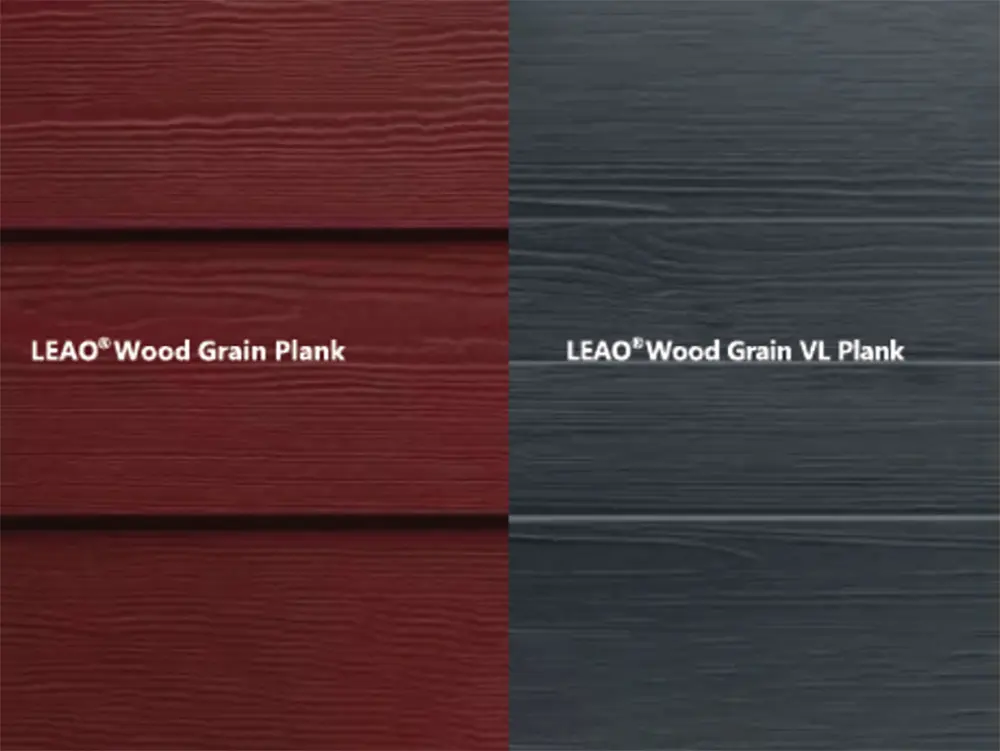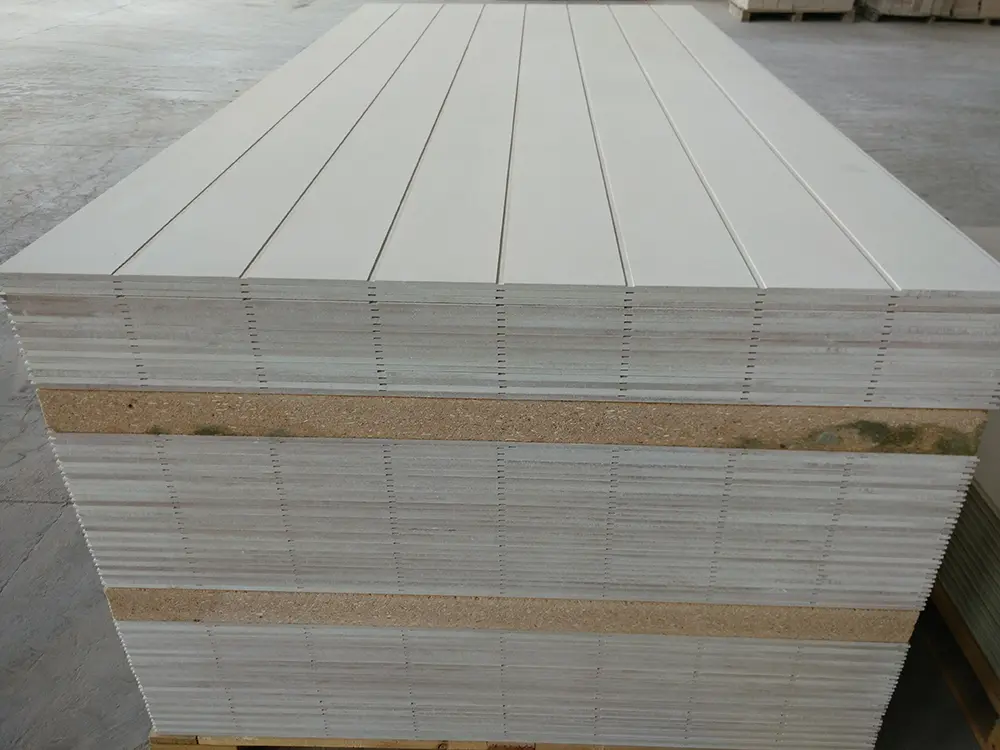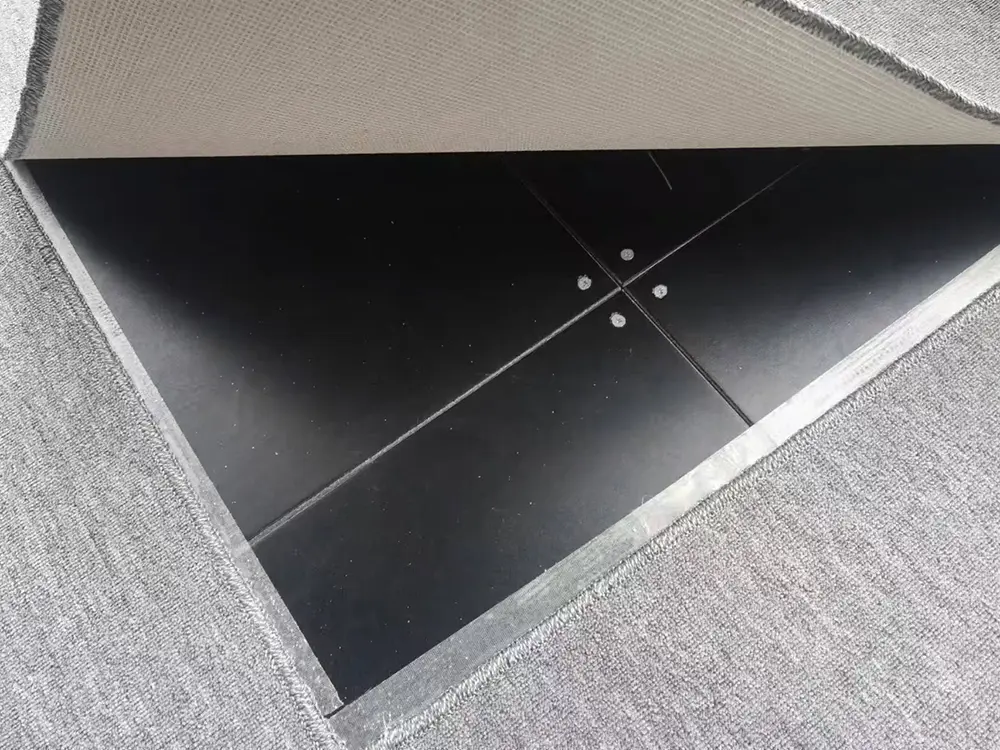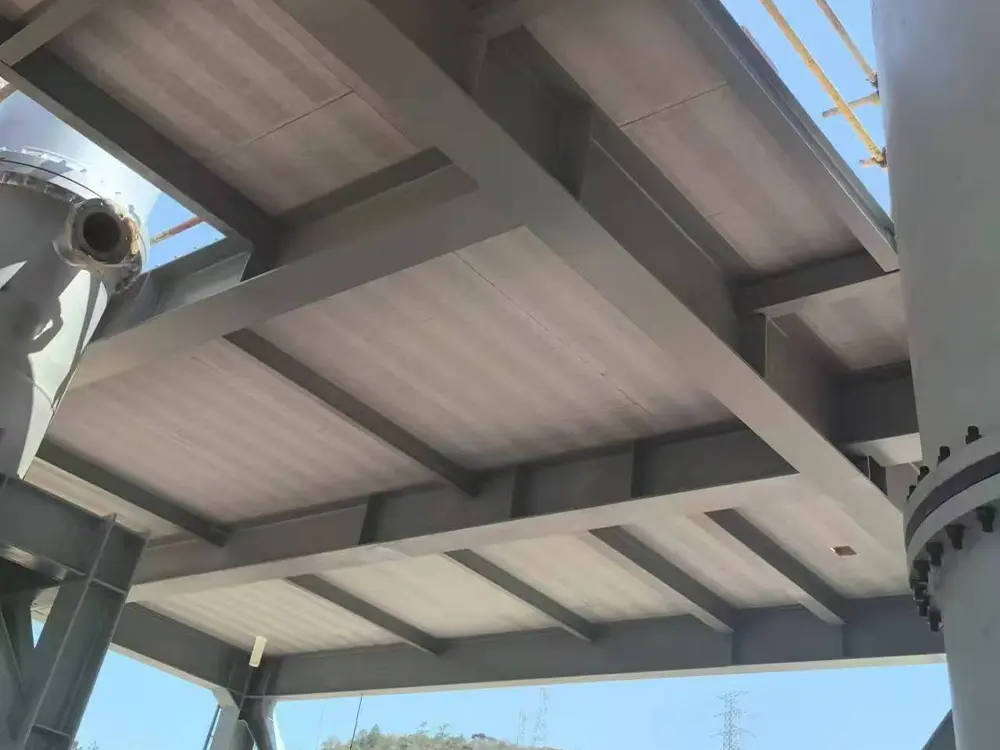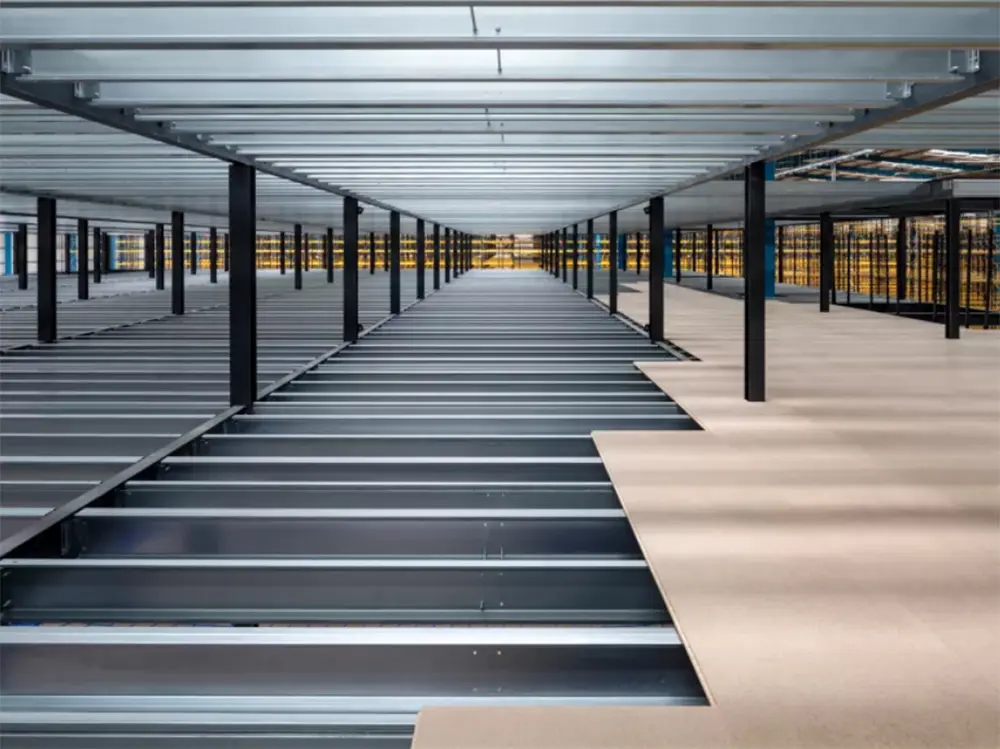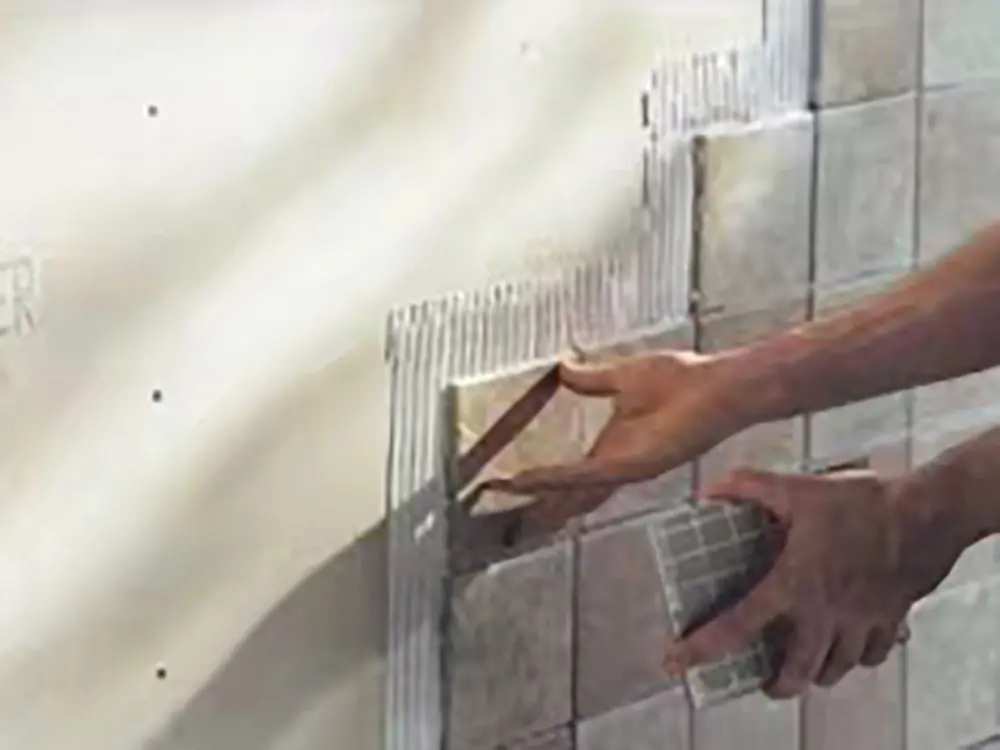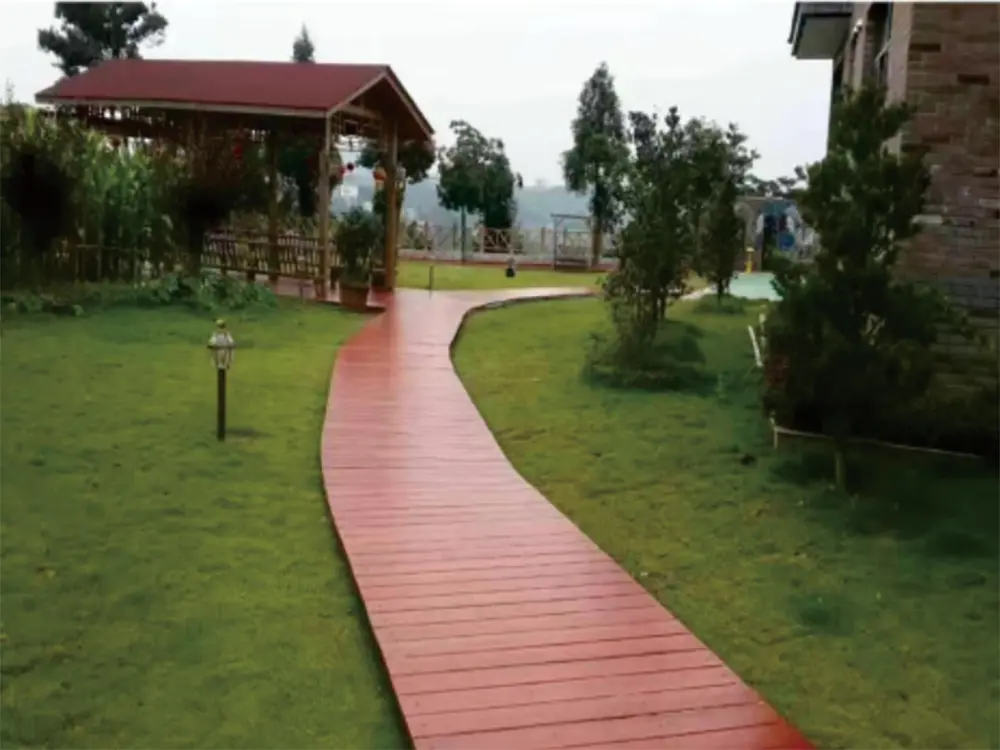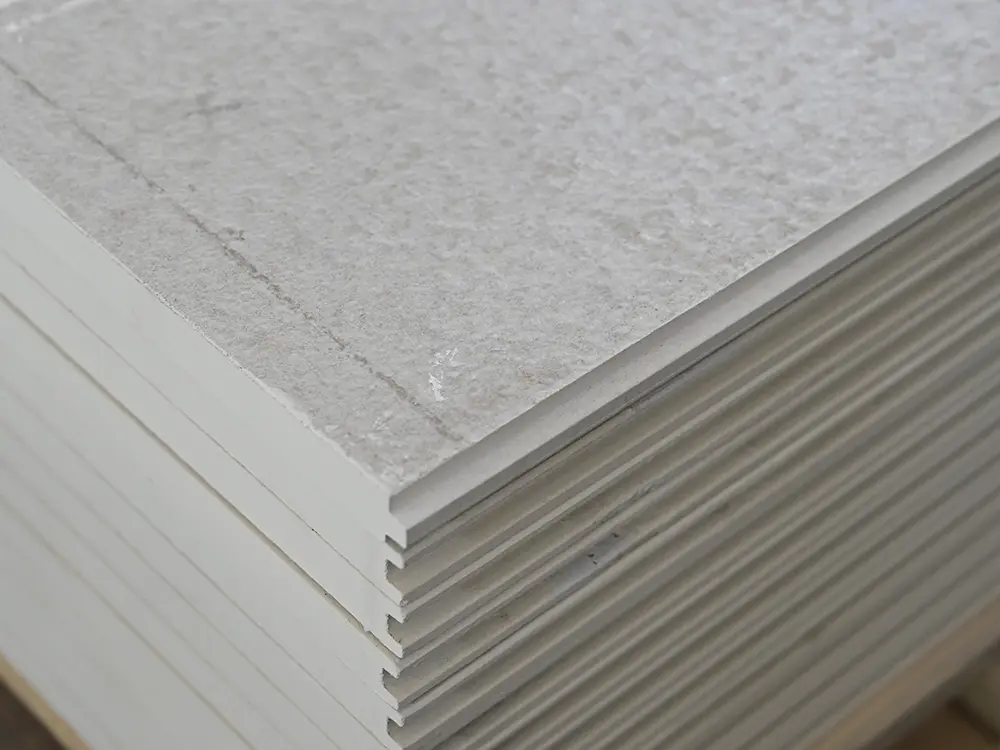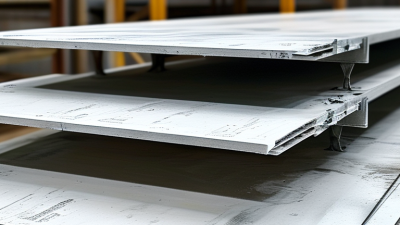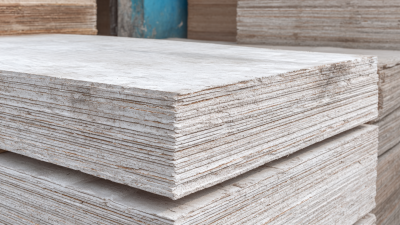
Buying Fiber Cement Floor Board is not a simple color-and-price decision. The right board must suit the room, subfloor, moisture level, and expected foot traffic. A board that looks solid in a showroom may fail when installed over a moving timber floor. Small details matter.
Michael Chusid, RA, a building-materials consultant and specification writer, offers a useful principle: “A material’s performance depends on the system around it, not the product alone.” That advice belongs at the center of this guide. Check the board’s thickness, density, edge condition, fire rating, moisture resistance, and installation instructions. Also confirm whether the product is designed for floors, walls, or exterior use. They are not interchangeable.
These seven buying tips focus on practical checks, not marketing language. Look for transparent technical data, consistent dimensions, and reliable manufacturer support. Ask how the board should be cut, fastened, sealed, and stored before installation. A damp warehouse or chipped corner can create trouble later. It is easy to overlook delivery damage. I have seen buyers compare prices carefully, then ignore replacement costs caused by poor packaging. That is a mistake worth remembering. Product claims also deserve healthy skepticism. Independent testing is stronger evidence than a polished brochure. Still, no guide can predict every site condition. Your installer’s experience may reveal a problem that a product sheet misses. Think carefully before purchasing.
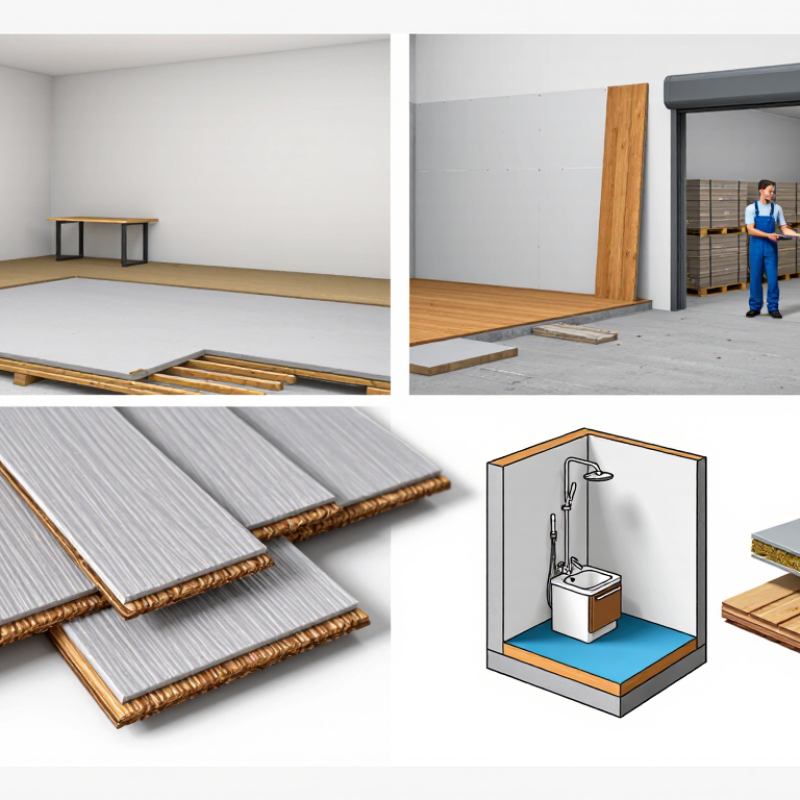
Fiber cement floor boards combine cement, mineral fillers, and reinforcing fibers. They are usually designed as stable underlayment panels, not decorative flooring. Their rigid surface supports tile, vinyl, and other finished materials. Some panels suit interior wet areas, while others serve structural floor systems. These purposes are not interchangeable. Check the technical sheet carefully.
Tip: Match the board to the application.
Tip: Confirm its thickness and span rating.
Tip: Check moisture resistance, but never assume waterproofing.
Tip: Measure the floor twice.
Tip: Inspect every sheet for chipped edges or warping.
Tip: Ask whether the panel needs sealed joints.
Tip: Follow the approved fastener pattern.
Small details matter.
Before buying, compare the board’s weight with your workers’ handling limits. A heavy panel may improve stiffness, but it can slow installation upstairs. Look for clear information about joist spacing, subfloor compatibility, cutting methods, and required tools. Wear eye protection when cutting, because dust can spread across the room quickly. Dry-fit panels around drains, doorways, and corners before fastening them. A small gap can prevent later movement. I once underestimated doorway clearance on a renovation, and carrying the boards became awkward. That mistake was avoidable. Also, remember that moisture-resistant does not mean permanently exposed to water. Use proper membranes and follow local building requirements where applicable.
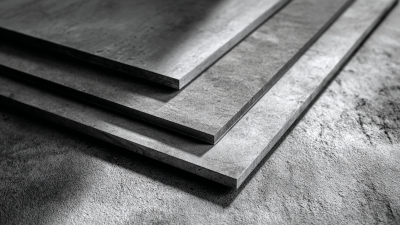
7 Tips for Buying Fiber Cement Floor Board
Tip 1: Check thickness against the joist spacing. A thicker board often improves stiffness, but thickness alone does not prove floor safety. Ask for tested span tables and installation limits.
Tip 2: Confirm load capacity with evidence. Look for reports using recognized methods, such as ASTM E72 or EN 12467. These tests can indicate bending strength, impact behavior, and service performance. Do not accept a salesperson’s “heavy-duty” claim without test values. A 2023 ASTM C1186 specification also distinguishes fiber-cement sheet types by intended use, so application matters.
Tip 3: Inspect moisture resistance carefully. Fiber cement is moisture-tolerant, not waterproof. Ask for water absorption, wet-strength, and dimensional-change data. ISO 8336 and EN 12467 provide useful testing frameworks for fiber-cement products.
Tip 4: Examine the surface under bright side lighting. It should look flat, dense, and consistently finished. Reject boards with swollen edges, deep scratches, pinholes, or powdery faces.
Tip 5: Measure the actual board. Small thickness variations can create uneven joints and squeaking floors. I once found a supposedly uniform batch with visibly inconsistent edges. That mistake cost more time than money.
Tip 6: Check cutting dust controls. The US National Institute for Occupational Safety and Health recommends controlling respirable dust during cement-based material cutting. Follow the product safety sheet and use suitable extraction.
Tip 7: Confirm installation details before purchase. Fastener spacing, joint gaps, adhesive compatibility, and storage conditions affect performance. A strong board can still fail when poorly supported. Ask for the complete technical data sheet, not just a sample.
Check the product standard before comparing prices. ISO 8336 covers fiber-cement flat sheets, while ASTM C1186 addresses specification requirements in many markets. Confirm the board’s thickness, density, moisture movement, and intended floor use. A sample may look rigid, yet edges can weaken after repeated wetting. Ask for a current laboratory report, not a sales-sheet promise.
Review fire evidence carefully. ASTM E136 tests noncombustibility, but a floor rating belongs to the complete tested assembly. It includes joists, fasteners, joints, insulation, and the finish layer. Request the tested thickness and installation method. A fire classification without those details is incomplete. Also check slip resistance and load data for the actual surface condition. Dusty construction sites expose weak assumptions quickly.
Environmental claims deserve equal scrutiny. Look for an Environmental Product Declaration verified under ISO 14025 and EN 15804. Compare declared service life, recycled content, manufacturing energy, and disposal boundaries. The 2023 UNEP Global Status Report found that buildings and construction consumed about 32% of global energy and produced roughly 34% of energy and process-related carbon dioxide emissions. That makes transparent life-cycle data useful, not decorative. Still, EPD figures are not automatically better; functional units and transport distances can change the result. Keep the documents, batch number, and installation records. My own checklist is imperfect, but missing paperwork is usually the clearest warning.
Buying fiber cement floor board starts with the subfloor, not the product label.
Tip 1
Confirm whether the board is underlayment or structural flooring. Most boards need solid support beneath them.
Tip 2
Inspect plywood or OSB for movement, water damage, loose fasteners, and uneven joints. Soft spots will not disappear under cement board.
Tip 3
Check joist spacing and floor deflection against the installation instructions and local building requirements. A rigid board cannot correct a flexible floor.
Tip 4
Match the board thickness to the finished flooring and transition heights. A small height difference can affect doors, cabinets, and adjoining rooms.
Tip 5
For bathrooms or laundry areas, review moisture protection carefully. Sealants, membranes, and joint treatment must suit the entire assembly, not just the board surface. Keep the panels flat and dry before installation. Moisture changes can complicate cutting and fitting.
Tip 6
Use the specified corrosion-resistant fasteners, spacing, and fastening pattern. Ordinary screws may snap, rust, or fail to hold properly.
Tip 7
Plan cuts around pipes, corners, and staggered joints before opening the mortar or adhesive. Wear suitable respiratory and eye protection when cutting, and control dust at the source. I once underestimated a narrow doorway on a renovation plan; the panel fit, but moving it into position became awkward. Measure access routes too. Installation instructions can seem repetitive, but skipping one detail may weaken the finished floor.
When buying fiber cement floor board, price is only the opening figure. Ask for a written quote covering thickness, sheet size, cutting waste, delivery, and taxes. A low unit price may become expensive after freight and replacement pieces. Request at least three comparable quotations. Compare specifications, not just totals. Confirm density, moisture resistance, load rating, and recommended joist spacing. Take a small sample. Check its edges for crumbling, swelling, or uneven curing.
Choose suppliers that answer technical questions clearly. Ask about production dates, storage conditions, installation guidance, and replacement procedures. A dependable supplier should provide a detailed warranty in writing. Read the exclusions carefully. Some warranties may not cover poor storage, incorrect fastening, excessive moisture, or unsupported joints. Ask whether labor costs are excluded. That detail is easy to miss.
Long-term performance depends on more than the board itself. Inspect the subfloor, joist spacing, ventilation, and drainage before installation. Confirm that fasteners and joint treatments match the manufacturer’s instructions. In renovation work, small alignment errors often create squeaks later. I have learned that the cheapest quote is rarely the cheapest finished floor. Still, the most expensive option is not automatically better. Compare test data, warranty length, supplier support, and expected maintenance. Keep every quotation and delivery record. A careful comparison takes time, and sometimes my own first estimate has been wrong.
| Tip | What to Compare | What to Check | Why It Matters |
|---|---|---|---|
| 1 | Confirm the board is suitable for the intended floor use | Check the technical data sheet for approved applications, installation method, and whether the board is an underlayment or a structural floor panel. Confirm that the floor framing and subfloor meet the specified requirements. | Many fiber-cement boards are designed as tile underlayment, not as a replacement for structural plywood or other structural subflooring. |
| 2 | Compare total installed cost, not just the price per board | Request a written quote that identifies board size and thickness, quantity, delivery, tax, fasteners, joint treatment, cutting requirements, and installation labor. Compare quotes for the same specifications. | Accessories, waste, delivery, and preparation can change the overall project cost substantially. Prices also vary by region and order size. |
| 3 | Check supplier documentation and availability | Ask for current product data sheets, installation instructions, safety information, stock status, lead time, and written confirmation of the product supplied. | Clear documentation helps confirm that the material is appropriate for the project and makes it easier to plan installation and replacements. |
| 4 | Read the warranty before purchasing | Review the warranty period, who may make a claim, proof-of-purchase requirements, coverage limits, and exclusions. Check whether improper installation, unsuitable substrates, or water intrusion are excluded. | A warranty may cover product defects but not labor, removal, replacement costs, or damage caused by installation or site conditions. |
| 5 | Verify thickness, dimensions, and compatibility | Compare board thickness and sheet dimensions with the floor assembly design and the requirements of the finished-flooring manufacturer. Confirm compatible fasteners, joint treatment, and adhesive where applicable. | Correct materials and installation details help create a stable surface and reduce the risk of movement, unevenness, or finish failure. |
| 6 | Assess moisture and service conditions | Check the product’s stated water-resistance characteristics and installation limits. Follow requirements for wet areas, waterproofing membranes, movement joints, ventilation, and substrate preparation. | Fiber cement is generally moisture-resistant, but it is not automatically waterproof. The complete floor assembly needs appropriate moisture management. |
| 7 | Consider long-term performance and maintenance | Compare published limitations for intended use, installation and maintenance requirements, expected exposure conditions, and availability of matching replacement boards. Use the manufacturer’s approved installation details. | Durability depends on the full floor system, correct installation, and ongoing moisture control—not on the board alone. |
Note: Product specifications, building requirements, prices, and warranty terms vary by location and product. Verify current documentation and local code requirements before purchase or installation.